
Lawn
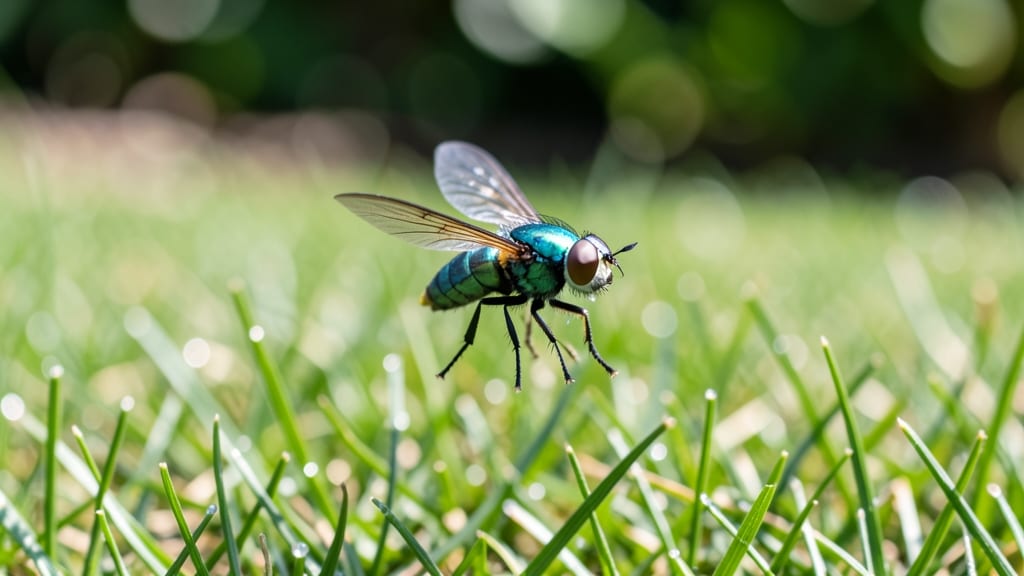
Flying insects swarming your lawn can turn a peaceful afternoon into a buzzing nightmare. 🌱 I’ve battled everything from gnats to mosquitoes—until I discovered a vinegar trap that cuts their numbers in 24 hours without harsh chemicals.
The secret? A simple mix that disrupts their flight patterns while keeping your yard safe for kids and pets.
Most traps fail because they’re too slow or rely on toxic sprays. This method works because it targets their natural behavior—vinegar mimics decaying matter, luring them in while a small fan (or even a breeze) sends them straight into a bucket.
No more waiting weeks for results or worrying about residue. Just fill a container, set it out, and watch the swarms thin out by morning.
You’ll notice fewer insects hovering over your lawn within hours, and the effect lasts for days. The best part? It’s chemical-free, budget-friendly, and works for fungus gnats, mosquitoes, and even hoverflies. No more dreading summer evenings—just a quiet, pest-free yard where you can finally relax.
Perfect for homeowners tired of expensive sprays or ineffective traps. Here’s exactly how to set it up—no fancy tools or gardening experience needed. Let’s get those flying pests under control for good.
The Hidden Triggers Behind Lawn Swarms
If your lawn has suddenly become a buzzing hotspot for flying insects—think gnats, flies, wasps, or even mosquitoes—there’s usually a scientific reason lurking beneath the grass. Understanding these triggers is the first step to reclaiming your outdoor space. Here’s why these uninvited guests keep showing up.
Flying insects like fungus gnats, midges, and mosquitoes thrive in damp environments. If your lawn stays soggy due to overwatering, poor drainage, or heavy dew retention, you’re essentially creating an all-you-can-eat buffet for their larvae. Here’s how it breaks down:
- Fungus gnats: Their larvae feed on organic matter in wet soil, and adults emerge when moisture levels spike.
- Mosquitoes: Stagnant water (even in compacted soil) provides the perfect breeding ground for their eggs.
- Sowbugs and pill bugs: While not flying, their presence signals excess moisture, which attracts other pests.
Actionable fix: Test your soil’s drainage—if water pools after 6+ hours, aerate or amend with sand/compost. Water deeply but less frequently to dry out the topsoil.
Grass clippings, fallen leaves, and decomposing plant debris aren’t just eyesores—they’re magnets for flying insects. Organic matter breaks down into nutrients that attract:
- Houseflies and fruit flies: Drawn to fermenting sugars in rotting vegetation.
- Wasps: Scavenge decaying material for protein to feed their colonies.
- Soldier flies: Their larvae feed on decomposing organic waste.
Actionable fix: Remove thatch and debris regularly. Use a lawn mower with a mulching setting to break down clippings quickly, or compost them off-site. Avoid thick layers of mulch near your lawn’s edge.
Flying insects have a keen sense of smell—and they’re hardwired to seek out protein, sugars, and moisture. Common culprits in your yard include:
| Insect | Attraction Source | Why It’s a Problem |
|---|---|---|
| Houseflies | Dog/cat waste, spilled pet food | Protein-rich waste accelerates their breeding cycle. |
| Fruit flies | Overripe fruit, spilled soda, or fermenting plant matter | Sugary residues create ideal breeding zones. |
| Wasps | Sweat, sugary drinks, or meat left outdoors | They scout for easy protein/sugar sources for their nests. |
Actionable fix:
- Pick up pet waste daily—don’t let it bake in the sun and ferment.
- Store trash cans with tight-fitting lids and rinse them weekly.
- Avoid leaving open drink containers or food scraps outside.
While fertilizers nourish your grass, over-application—especially with nitrogen-rich formulas—can backfire. Here’s how:
- Excess nitrogen: Promotes lush growth, which attracts chironomid midges (tiny black flies) and fungus gnats.
- Herbicide residue: Some chemicals create stress in soil microbes, leading to fungal outbreaks that lure gnats.
- Synthetic fertilizers: Disrupt natural soil ecosystems, reducing beneficial predators (like ground beetles) that keep flying pests in check.
Actionable fix:
- Switch to a slow-release, organic fertilizer (e.g., compost or fish emulsion) to avoid spikes in nitrogen.
- Test your soil’s pH—aim for 6.0–7.0; extremes attract different pests.
- Apply fertilizer in early morning or late evening to reduce evaporation and runoff.
Believe it or not, your daily routines might be inviting flying insects. For example:
- Outdoor lighting: Bug zappers and porch lights attract moths, flies, and mosquitoes—who then lay eggs in your lawn.
- DIY compost piles: If placed too close to your yard, they emit odors that summon fruit flies and wasps.
- Grilling or barbecuing: Grease and food particles create a smorgasbord for houseflies and wasps.
Actionable fix:
- Install yellow bug lights (less attractive to insects) or use timers to reduce nighttime lighting.
- Relocate compost bins at least 20 feet from your lawn.
- Clean grills immediately after use and store them covered.
Quick Fixes for Flying Lawn Invaders
Flying insects buzzing over your lawn can be more than just a nuisance—they can damage plants, spread diseases, and even ruin outdoor fun. The good news? Most of these pests can be controlled with targeted, practical solutions.
Below, we’ve matched common causes to effective fixes, plus prevention tips to keep your lawn pest-free long-term.
Cause: Mosquitoes, fungus gnats, and midges thrive in standing water or overly moist soil. Fix:
- 🔪 Drain excess water – Use a garden hose to break up compacted soil and improve drainage. For soggy spots, add a layer of sand or compost to absorb moisture.
- ⏰ Adjust watering habits – Water deeply 2–3 times per week (early morning) instead of daily shallow sessions. Avoid overwatering grass types like fescue or rye, which hold moisture longer.
- 🌱 Aerate your lawn – Rent a core aerator to create air pockets in the soil, reducing humidity where pests breed.
💡 Pro Tip: If your lawn has thatch buildup (a thick layer of dead grass), dethatch it—this improves airflow and dries out the soil faster.
Cause: Fruit flies, soldier flies, and house flies are drawn to rotting organic matter, fallen fruit, or compost piles. Fix:
- 👨🍳 Remove decaying material – Rake up fallen leaves, fruit, and plant debris weekly. Store compost in a sealed bin away from your lawn.
- 🥘 Secure trash cans – Use lids and keep outdoor bins 50+ feet from your lawn. Rinse them occasionally to remove odors.
- 🔪 Trim overgrown plants – Tall weeds or grass provide hiding spots for pests. Keep your lawn mowed at 3–4 inches for better sunlight exposure, which deters insects.
✨ Bonus: Sprinkle diatomaceous earth (food-grade) around mulch piles—it’s a natural insect repellent that dehydrates soft-bodied pests.
Cause: Wasps, bees, and hoverflies seek out warm, shaded areas—especially under decks, in thick grass, or near flowering weeds. Fix:
- 🎯 Reduce shade & clutter – Trim back overhanging bushes and remove wood piles, old toys, or debris where pests nest.
- 🔥 Use natural repellents – Plant lavender, mint, or marigolds near problem areas—their scents deter flying insects.
- 💡 Install fan barriers – Place a small outdoor fan (on low) near patio areas to create airflow; many flying insects avoid strong breezes.
🔥 Warning: If you spot wasps or bees nesting, avoid DIY removal. Call a professional—disturbing nests can lead to stings.
Cause: General flying insect overload (mosquitoes, gnats, flies) needs a quick, non-toxic solution. Fix:
- 🍎 DIY vinegar trap – Mix 1 cup apple cider vinegar + 2 tbsp sugar + a few drops of dish soap in a bowl. Cover with plastic wrap, poke small holes, and place near infested areas. Replace every 24 hours for maximum effectiveness.
- 🌿 Add citrus peels – Toss orange or lemon peels into the trap—their scent attracts more pests.
- 🔪 For stubborn gnats, try a jar trap with a sugar-water bait (gnats are drawn to fermenting liquids).
💡 Pro Tip: Place traps near dusk (when most flying insects are active) for better results.
- 🌱 Choose pest-resistant grass – Varieties like tall fescue or zoysia are harder for insects to infest.
- 🍃 Mow high & leave clippings – Taller grass shades soil, reducing moisture where pests breed.
- 🔄 Rotate natural remedies – Alternate between vinegar traps, neem oil sprays, and beneficial nematodes to prevent resistance.
- 🐝 Support pollinators – Plant bee-friendly flowers (like sunflowers or coneflowers) to attract predatory wasps and ladybugs, which eat flying pests.
By tackling the root cause of your flying insect problem—whether it’s moisture, debris, or heat—you can restore your lawn’s peace in just days. Start with one fix, monitor progress, and adjust as needed. Soon, your outdoor space will be pest-free and inviting again! 🌿✨
Frequently asked questions
Why does my vinegar trap stop working after one day?
The vinegar loses its effectiveness as it evaporates or gets diluted. Replace the mixture every 24 hours for best results. Add a few drops of dish soap to break surface tension—this helps trap more insects when they land. Place traps near dusk when flying pests are most active.
Are these traps safe for pets and kids?
Yes! The vinegar trap uses non-toxic ingredients (vinegar, sugar, and dish soap), making it completely safe for pets and children. Just ensure the container is covered with plastic wrap and secured so curious pets can't tip it over. Avoid using essential oils or chemical repellents near kids and animals.
What if I only see small black flies (not mosquitoes) in my lawn?
Those are likely fungus gnats, which thrive in damp, organic-rich soil. The vinegar trap works for them too, but also try reducing watering frequency and adding sand or perlite to dry out the soil. For stubborn infestations, sprinkle diatomaceous earth lightly on the lawn—it dehydrates larvae without harming plants.
Can I use this trap for wasps or bees?
No, this trap is designed for soft-bodied insects like gnats and flies. Wasps and bees are stronger fliers and won't get trapped the same way. For them, focus on removing food sources (sweet drinks, pet waste) and sealing entry points. If you see nests, call a professional—never disturb them yourself.
How do I know if my lawn has a moisture problem?
Check by pressing your finger 1-2 inches into the soil. If it feels damp or water pools after 6+ hours of rain, your lawn is too moist. Improve drainage by aerating or adding compost/sand. Water deeply 2-3 times per week instead of daily shallow sessions to let the soil dry between waterings.