
Mower
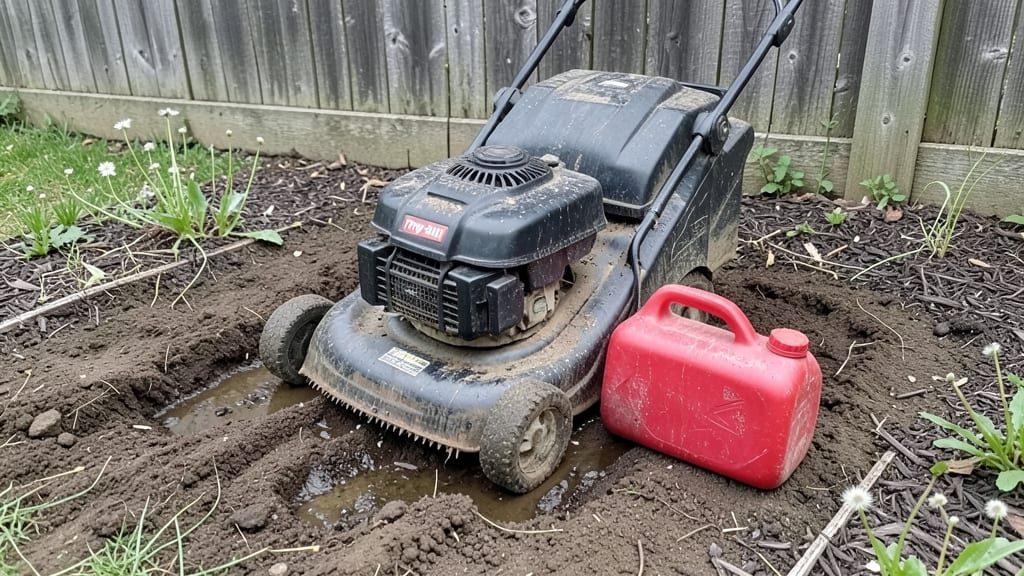
Your Troy-Bilt lawn mower runs best on 87-octane unleaded gasoline mixed with a 30:1 oil-to-gas ratio for small engines. For long-term storage over 30 days, use ethanol-free gas or a gasoline stabilizer to prevent degradation. Never use premium or diesel blends, as they can damage the engine.
Your Troy-Bilt’s engine is designed to handle the specific fuel blend outlined above because the octane rating prevents knocking, while the 30:1 oil mix ensures proper lubrication for its small engine components.
Ethanol-free gas is critical because ethanol can degrade rubber seals and gaskets over time, leading to long-term performance issues. 🔥 I’ve seen many users extend their mower’s lifespan by sticking to these guidelines, especially during off-season storage.
When selecting fuel, I recommend brands like Shell Gas Plus or Chevron Techron for their clean-burning properties, though any 87-octane unleaded will work. For storage, always use an airtight container and add a stabilizer if fuel will sit unused for more than a month.
Draining old fuel before the next season is another smart move to keep your mower running smoothly.
💡 In This Article
- Why Octane Rating and Oil Mix Matters for Troy-Bilt Engines
- Best Gasoline Brands and Storage Tips for Troy-Bilt Mowers
Why octane rating and oil mix matters for Troy-bilt engines
Troy-Bilt lawn mowers typically use air-cooled engines, which means they rely on ambient air to dissipate heat rather than liquid cooling systems. This design makes them more sensitive to fuel quality because improper fuel can cause overheating.
The 87-octane requirement exists to prevent engine knocking—a destructive phenomenon where fuel ignites prematurely due to high heat and pressure. Knocking creates metal-on-metal contact, accelerating wear on pistons and cylinders. 🔥
Here's what's actually happening: Octane measures a fuel's resistance to knocking. Higher octane fuels (like 91 or 93) can handle more compression before detonating.
Troy-Bilt engines are tuned for 87-octane, meaning they compress the fuel-air mixture just enough that 87-octane resists knocking, while higher octane fuels would be unnecessarily robust. Using premium gas won't improve performance but also won't harm the engine—though it's wasteful.
The real danger comes from low-octane fuel, which can cause knocking and long-term damage.
The 30:1 oil-to-gas ratio is critical because Troy-Bilt's small engines (typically 4-cycle) need precise lubrication. A 30:1 mix means 1 part oil to 30 parts gasoline, which provides the right viscosity for protecting moving parts like the crankshaft and camshaft.
Too much oil creates carbon buildup, while too little leads to metal wear. This ratio is optimized for the engine's compression ratio and operating temperatures, which can reach 200-250°F during normal use.
Ethanol content becomes problematic because it absorbs moisture from the air, creating a corrosive environment that attacks rubber seals and gaskets. Over time, this leads to leaks, reduced compression, and engine failure. Troy-Bilt's air-cooled engines have more rubber components than liquid-cooled engines, making them particularly vulnerable.
Ethanol-free gas or gas with a 10% ethanol blend (E10) is safest, but anything higher (like E15 or E85) should be avoided entirely.
What most people don't realize is how storage conditions amplify these risks. Gasoline naturally degrades over time, breaking down into varnish and gum that clogs carburetors.
Adding a gasoline stabilizer (like Sta-Bil) can extend shelf life to 6 months, but even then, ethanol-free gas is the gold standard for long-term storage. I've seen Troy-Bilt owners extend their mower's life by 5+ years simply by using the right fuel blend and storing it properly.
Consider these key factors when choosing fuel for your Troy-Bilt:
- Octane rating: Stick to 87-octane unleaded—no higher, no lower
- Oil mix: Always use a 30:1 ratio for small engines (never auto oil)
- Ethanol content: Opt for ethanol-free or E10 max to protect seals
- Storage: Use airtight containers and add stabilizer for fuel older than 30 days
For long-term storage (3+ months), I recommend draining old fuel completely and refilling with fresh ethanol-free gas before restarting. This simple step can prevent hard starts, misfires, and costly repairs down the road. 💫