
Landscaping
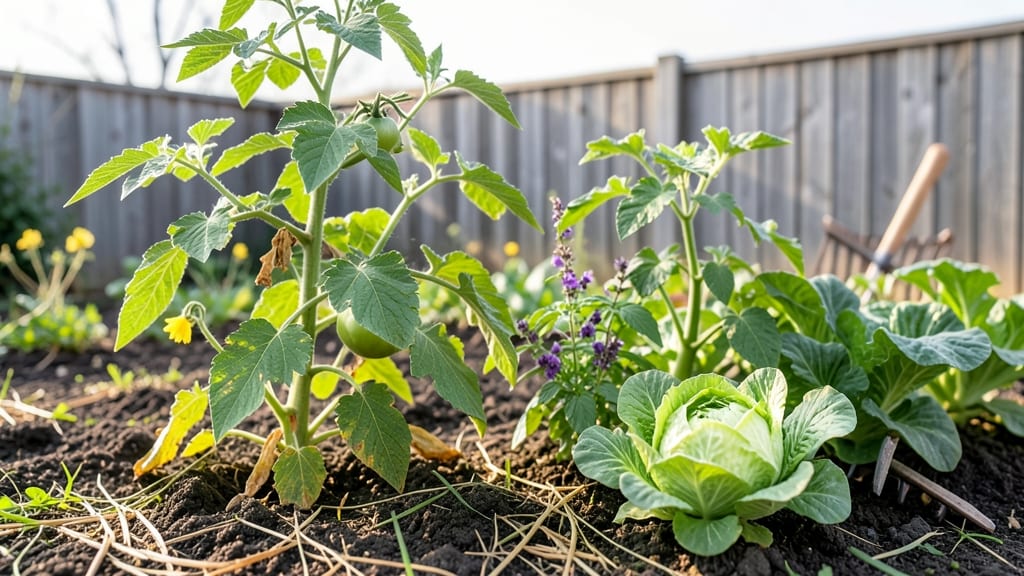
Using grass clippings in a vegetable garden provides a quick nitrogen boost but risks introducing weeds and thatch if applied improperly. Fresh clippings should be dried or composted first to prevent matting and disease spread.
Grass clippings act as a natural fertilizer because they're packed with nitrogen, which plants crave for lush growth. 🌱 However, their effectiveness depends on how you prepare them—fresh clippings can smother soil and attract pests if piled too thick.
I’ve found that spreading them thinly after drying or composting first creates a nutrient-rich layer without the downsides. This method works especially well for heavy feeders like tomatoes and peppers, but avoid overdoing it near shallow-rooted veggies like lettuce.
For best results, mix dried clippings into the top inch of soil or use them as mulch around plants. Just remember: if your lawn was treated with herbicides, skip this entirely—those chemicals can harm your vegetables.
The key is balance: grass clippings can be a gardener’s secret weapon when used smartly.
💡 In This Article
- How Grass Clippings Fertilize Vegetable Gardens
- Safe Ways to Use Grass Clippings Without Harming Plants
How grass clippings fertilize vegetable gardens
Grass clippings become a powerhouse fertilizer through decomposition, where microbes break down organic matter into simpler compounds. The key nutrient released is nitrogen—grass contains about 2-4% nitrogen by dry weight—making it an excellent fast-acting fertilizer for nitrogen-hungry plants like tomatoes and corn.
When clippings decompose, they release ammonia (NH₃), which soil bacteria quickly convert into nitrate (NO₃⁻), the form plants absorb most efficiently. This process typically takes 2-4 weeks for dried clippings and longer for fresh ones. 🌱
The difference between fresh and dried clippings comes down to carbon-to-nitrogen (C:N) ratio. Fresh climmings have a C:N ratio of about 15:1, which is too high for rapid decomposition—this can lead to nitrogen depletion in the soil.
Drying clippings reduces their moisture content and lowers the C:N ratio to around 10:1, making them decompose faster and release nutrients more predictably. Think of it like baking a cake: too much wet batter (fresh clippings) causes a mess, but properly dried ingredients (clippings) bake evenly.
Weed seeds in clippings are a major concern, but their viability drops dramatically when exposed to heat and dryness. Most common lawn weeds lose germination capability after 3-5 days of drying in the sun.
For example, crabgrass seeds typically survive only 2-3 weeks in dry conditions, while dandelion seeds can persist longer but still weaken after 10 days of exposure. This is why spreading clippings thinly (¼-inch thick) after drying minimizes weed risks while still providing nutrients.
Mulching with clippings also improves soil structure by preventing compaction and encouraging earthworm activity. Earthworms thrive in environments with organic matter, and their tunnels aerate the soil while breaking down clippings further.
A ½-inch layer of dried clippings acts like a natural sponge, retaining moisture while allowing excess water to drain—ideal for vegetable gardens. However, thick layers (> 1 inch) can create thatch, a dense mat that blocks water and air, stunting root growth. 🌿
For best results, aim for a 1:1 ratio of clippings to soil when mulching—this balances nutrient release with soil health. Heavy feeders like peppers benefit most from this method, while shallow-rooted plants like lettuce may struggle with thick layers.
Always test your soil first: if it already has high nitrogen levels, reduce clipping applications to avoid overfertilization, which can lead to leafy growth at the expense of fruit production.
What most gardeners overlook is the timing of application. Spread clippings in early spring or after harvesting to give nutrients time to integrate before the next planting cycle. Avoid applying them during hot, dry spells when evaporation will waste moisture and accelerate weed seed germination.
A light rain or irrigation within 24 hours of application helps activate decomposition and nutrient release. ✨