
Pests
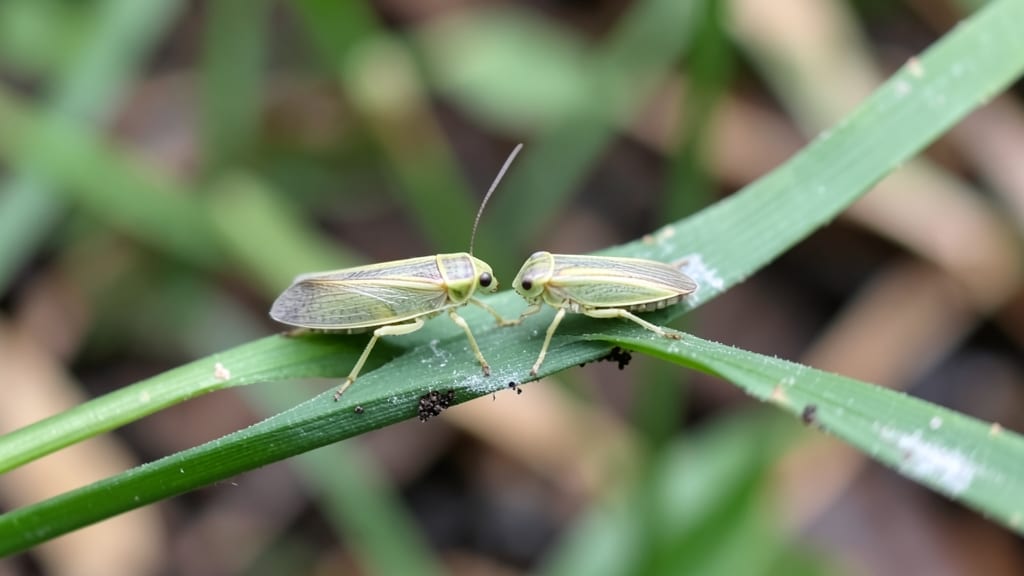
Grass-eating bugs like grubs and armyworms can turn a lush lawn into a patchwork of brown in days. 🌱 I’ve lost count of the times I’ve found my yard looking like a buffet for these pests—until I discovered the natural barriers that actually work.
The trick isn’t just reacting when you see damage; it’s creating an environment where bugs don’t even want to land.
Most people reach for pesticides first, but that’s like calling in an exterminator for every ant on your counter. Instead, focus on healthy soil—thick, well-fed grass is the first line of defense.
Grubs hate dry conditions, so proper watering and aeration make your lawn less inviting. Add in a few companion plants like marigolds or nematodes, and you’ve got a bug-repelling ecosystem without harsh chemicals.
By spring, you’ll notice fewer chewed patches and more uniform growth. The key is consistency: monthly soil checks, targeted treatments in early summer, and preventing slugs from moving in at night. It takes patience, but once you see your lawn bounce back, you’ll wonder why you didn’t start sooner.
Works for both lawns and garden edges—no matter your yard size. The best part? These methods keep working even after the bugs are gone.
The Real Culprits Behind Plant Munching
When your lawn or garden becomes a buffet for tiny, grass-eating pests, it’s rarely just bad luck. These critters—whether beetles, grubs, or even tiny caterpillars—are drawn to your yard for specific reasons.
Understanding why they target grass helps you disrupt their plans before they strip your lawn bare. Let’s break down the science behind their appetite.
###
🌱 Nutrient-Rich Grass: A Protein-Packed Feast
Grass isn’t just green—it’s a nutrient powerhouse for many insects. Soft, tender blades are packed with proteins, sugars, and moisture, making them an ideal food source. For example:
- Grubs (like Japanese beetle larvae) thrive on grass roots because they’re high in starches and easy to digest.
- Armyworms and cutworms prefer young, succulent grass because it’s less fibrous and packed with nitrogen.
- Chinch bugs inject toxins into grass stems, weakening it—then feast on the damaged tissue.
✨ Pro Tip: If your grass is overly lush (from frequent watering or fertilizer), it signals to pests: "All-you-can-eat buffet here!" Adjust watering to encourage tougher, less palatable blades.
###
🌡️ Warm, Moist Conditions: The Perfect Breeding Ground
Grass-eating bugs don’t just show up—they’re invited by your yard’s microclimate. Warmth and moisture create the ideal conditions for:
- Rapid reproduction: Many pests (like billbugs or sod webworms) lay eggs in damp soil. Eggs hatch faster in warm, moist environments.
- Sluggish predators: Birds, toads, and ground beetles (natural pest controls) slow down in heat or drought, giving bugs free rein.
- Fungal growth: Overwatered grass can develop fungal mats, which some pests (like fungus gnats) also feed on.
💡 Actionable Fix: Test your soil’s moisture levels—aim for 1 inch of water per week (including rain). Drainage issues? Aerate compacted soil to prevent standing water.
###
🏡 Lack of Natural Predators: A Broken Food Chain
Healthy lawns have a balanced ecosystem, but modern landscaping often disrupts it. When you:
- Use broad-spectrum pesticides, you kill both pests and their predators (like ladybugs, spiders, or parasitic wasps).
- Plant monocultures (just grass, no flowers or clover), you remove habitat for beneficial insects.
- Over-tidy your yard (removing leaf litter, rocks, or bare soil), you eliminate hiding spots for predator species.
🔥 Science Note: Studies show lawns with 10–15% wildflowers or clover support 30% more predator species, naturally keeping grass munchers in check.
###
🌱 Weak or Stressed Grass: An Easy Target
Bugs prefer weak prey. If your grass is struggling, it’s a red flag for pests. Common stressors include:
| Stressor | Why Bugs Love It | How to Fix It |
|---|---|---|
| Compacted soil | Roots can’t access nutrients; grass turns yellow and weak. | Core aerate in spring/fall. |
| Poor drainage | Waterlogged roots attract fungus and grubs. | Test soil pH; add sand or compost. |
| Nutrient imbalance | Too much nitrogen = soft, sugary grass; too little = stunted growth. | Soil test every 2–3 years; adjust fertilizer. |
🎯 Key Insight: Thatch layers over ½ inch trap moisture and pests. Dethatch annually to toughen grass blades.
Once you identify why grass-eating bugs are feasting in your yard, you can target the root cause—not just the symptoms. The next step? Disrupt their menu with natural barriers.
Natural Solutions for Lawn Invaders
Now that you understand why grass-eating pests like slugs, grubs, and chinch bugs target your lawn, it’s time to take action! The good news? You don’t need harsh chemicals to keep them at bay.
Below are practical, eco-friendly fixes tailored to the root causes—plus prevention tips to keep your lawn lush and pest-free all season long.
🐌 Slugs & Snails: Block, Trap, and Dry Them Out
Cause: Overly moist soil, dense mulch, and nighttime munching. Fix:
- 🔥 Create a Salt Barrier (Temporary Fix) Sprinkle a thin line of coarse salt or diatomaceous earth (DE) around garden beds and lawn edges. Slugs avoid crossing it—but reapply after rain. ⚠️ Use sparingly near plants, as salt can harm roots.
- 🍳 Beer Traps (Low-Tech but Effective) Bury a shallow dish (like a yogurt cup) filled with beer (the yeast attracts them). Check and refresh every 2–3 days. 💡 Pro tip: Use a mix of beer + water to reduce waste.
- 👨🍳 Copper Tape (Electric Shock for Snails) Wrap copper tape around raised beds or containers. The mild electric charge repels slugs. Works best on wooden frames or metal planters.
- 🌡️ Dry Out Their Hideouts Remove thick mulch piles, boards, or debris where slugs hide during the day. Rake leaves and grass clippings regularly—slugs thrive in damp, shady spots.
Prevention:
- 🌱 Water in the Morning (not at night) to let soil dry faster.
- 🎯 Plant slug-resistant grasses like fescue or zoysia—they’re less appealing.
- ✨ Encourage predators like ground beetles and birds with a diverse lawn ecosystem.
🪲 Grubs & White Grubs: Starve & Disrupt Their Life Cycle
Cause: Over-fertilized lawns, compacted soil, and grubs feasting on roots. Fix:
- 🔪 Handpick & Drown (For Small Infestations) After watering, grubs rise to the surface. Flip a board over and check—collect them in soapy water. Best done in late summer/early fall when they’re most active.
- 🍳 Beneficial Nematodes (Microscopic Allies) Apply Heterorhabditis bacteriophora nematodes to soil. These parasitic worms infect grubs naturally. Reapply after heavy rain. 💡 Best for organic lawns—follow package instructions for timing.
- 🥘 Adjust Fertilizer & Aerate Over-fertilizing = grub buffet. Switch to a slow-release, low-nitrogen fertilizer (like compost tea). Aerate compacted soil in fall to disrupt grubs’ cozy root tunnels.
- 🌱 Plant Grub-Resistant Grasses Buffalo grass and tall fescue are tougher targets. Avoid St. Augustine—it’s a grub magnet!
Prevention:
- 📊 Test soil pH—grubs love neutral (6.5–7.0) soil. Adjust with lime or sulfur if needed.
- 💪 Mow high (3–4 inches) to shade out weeds that attract grub-loving beetles.
- ⏰ Time your treatments: Apply nematodes or milky spore (a natural bacteria) in early summer before grubs hatch.
🐜 Chinch Bugs & Sod Webworms: Confuse & Confine Them
Cause: Drought stress, thick thatch layers, and poor drainage. Fix:
- 🔥 Flush Them Out (DIY Flood Test) Water a 5’x5’ section for 15 minutes—chinch bugs will float to the surface. Scoop them up with a putty knife and dispose in soapy water. Repeat weekly if needed.
- 🍳 Neem Oil Spray (Natural Repellent) Mix 1 tbsp neem oil + 1 tsp dish soap + 1 quart water. Spray early morning or late evening to avoid harming bees. Reapply after rain.
- 👨🍳 Dethatch & Improve Drainage Use a lawn rake or dethatching tool to break up thatch layers (over ½” thick). Top-dress with sand or compost to improve drainage—chinch bugs hate soggy conditions.
- 🥘 Introduce Predatory Wasps Tachinid flies and parasitic wasps eat chinch bug eggs. Plant dill, fennel, or marigolds nearby to attract them.
Prevention:
- 🌡️ Water deeply but infrequently (1–1.5 inches per week) to avoid drought stress.
- 🎯 Overseed bare spots with perennial ryegrass—it recovers faster from damage.
- ✨ Use reflective mulch (like aluminum foil strips) around garden edges—chinch bugs dislike bright surfaces.
🌱 Year-Round Maintenance Checklist
To keep pests from staging a comeback: ✅ Spring: Aerate + apply compost or worm castings to boost soil health. ✅ Summer: Monitor for yellow patches (chinch bugs) or spongy grass (grubs). ✅ Fall: Overseed thin areas and apply beneficial nematodes before winter. ✅ Winter: Rake up leaf litter—pests hide there to survive cold snaps!
Final Tip: 💡 Rotate methods—pests adapt! Combine physical barriers, natural predators, and soil improvements for long-term success. Your lawn will thank you with thick, green grass—and zero unwanted crunchy snacks!
Frequently asked questions
What are the most common grass-eating bugs I should watch for?
The top offenders include grubs (Japanese beetle larvae), chinch bugs, armyworms, sod webworms, and slugs. Look for brown patches, chewed blades, or tiny holes in grass—these are their calling cards.
How do I tell if my grass damage is from bugs or drought?
Bug damage usually appears as irregular patches with chewed edges, while drought stress shows uniform browning starting at the tips. Dig up a small section—if you find white grubs, tiny black bugs, or slime trails, it’s pests.
Are there any plants that naturally repel grass-eating bugs?
Yes! Marigolds, nematode-attracting plants (like dill or fennel), and clover disrupt pest life cycles. Even catnip or pennyroyal deter slugs. Plant them around lawn edges for a chemical-free barrier.
When is the best time to treat for grubs before they cause major damage?
Apply beneficial nematodes or milky spore in early summer (June) when grubs are young and vulnerable. For chinch bugs, late spring (May) is critical—they reproduce rapidly once temperatures rise.
Will my lawn recover if I wait too long to treat grass-eating bugs?
Partial recovery is possible, but severe damage may require reseeding or overseeding in fall. The sooner you act, the better—grubs can kill grass roots in as little as 2 weeks of unchecked feeding. Think of it like a lawn emergency room!