
Pests and Diseases
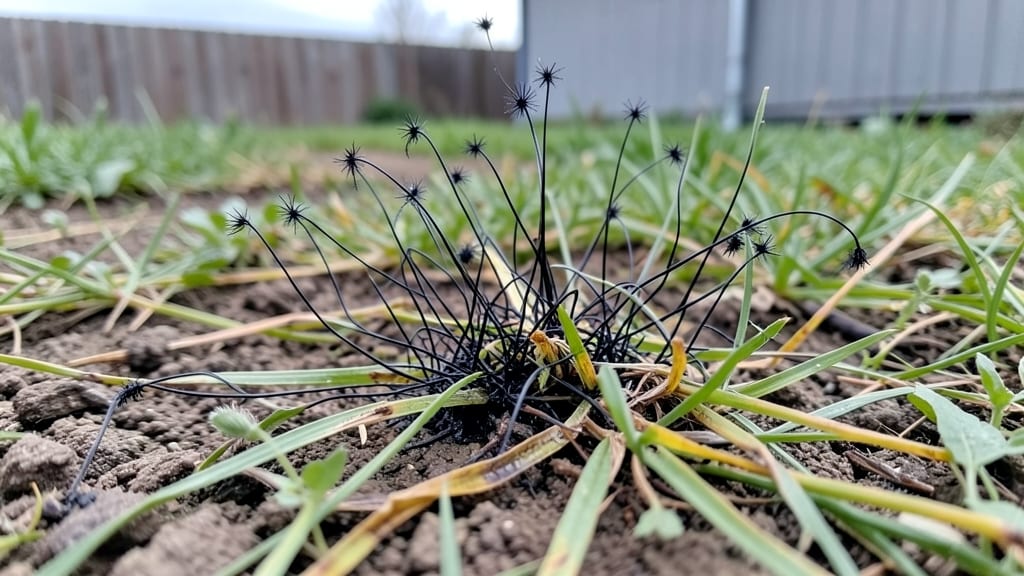
Black spot fungus on grass turns vibrant lawns into unsightly, slimy messes faster than you’d think. 🌱 I’ve battled this stubborn problem for years—until I discovered a 3-week eradication plan that actually works without harsh chemicals.
The key? Stopping the moisture cycle that fuels the fungus while giving your grass a fighting chance to recover.
This isn’t just about spraying something and hoping for the best. The real fix starts with aeration to break up compacted soil, followed by targeted watering—never letting grass stay soggy for more than 48 hours.
I’ll walk you through the exact steps, including organic treatments that outperform most store-bought fungicides. No more guessing whether those dark patches will spread or shrink.
By the end of three weeks, you’ll see new growth pushing through, with the black spots fading into memory. The lawn won’t just look better—it’ll stay healthier long-term, resistant to future outbreaks. And the best part? You won’t need expensive equipment or toxic sprays to get results.
Whether you’re dealing with a small patch or a full yard takeover, this method adapts to any grass type. Let’s get your lawn back to that deep green, springy feel—without the fungus coming back for round two.
Root Causes Of Dark Grass Fungus
Black or dark fungal spots on grass aren’t just an eyesore—they’re a sign of underlying issues. Understanding why these patches form is the first step to stopping them before they spread. Below, we break down the key culprits behind dark fungal growth, from environmental triggers to lawn care mistakes.
🌧️ Overwatering and poor drainage
Fungi thrive in damp, stagnant conditions, and overwatering is their favorite invitation. When grass stays soggy for too long, fungal spores like Rhizoctonia or Drechslera (common black spot pathogens) multiply rapidly. Here’s why it happens:
- Excess moisture: Grass blades retain water, creating a humid microclimate perfect for fungal growth.
- Compacted soil: Poor drainage traps water at the roots, weakening the grass and making it susceptible to infection.
- Frequent light watering: Short, shallow waterings keep the surface damp longer than deep, infrequent watering.
💡 Pro Tip: Water early in the morning (before 10 AM) to allow grass to dry by evening. Aim for 1–1.5 inches per week, including rainfall, and check soil drainage—if water pools after 6 hours, your lawn needs aeration.
🌿 Nutrient imbalances and weak grass
Healthy grass resists fungal attacks, but poor nutrition creates weak spots where black fungus takes hold. Two common imbalances trigger outbreaks:
| Nutrient Issue | Why It Fuels Fungus |
|---|---|
| Low nitrogen (N) | Weakens grass blades, making them easier targets for fungal spores. Nitrogen deficiency often shows as pale, yellowish grass before black spots appear. |
| Excess phosphorus (P) or potassium (K) | While essential, too much P or K can disrupt nitrogen uptake, leading to thin, stressed grass that fungi exploit. |
| Lack of iron or manganese | These micronutrients help grass fight oxidative stress. Deficiencies make roots and blades more vulnerable to fungal invasion. |
🔥 Action Step: Test your soil (DIY kits are affordable) and amend with a balanced fertilizer (e.g., 16-4-8 or 10-10-10). Avoid high-phosphorus fertilizers unless a test confirms a deficiency.
🍄 Fungal spore spread and favorable weather
Fungal spores are everywhere—dormant in soil, on tools, and even in wind or water. But they only cause problems when conditions align:
- Warm, humid nights (60–80°F): Ideal for spore germination and growth. Black spot fungi peak in late spring to early fall.
- Thick morning dew: Prolonged leaf wetness (over 12 hours) triggers infection. Dew alone isn’t the issue—it’s how long the grass stays damp.
- Recent stress: Fungus attacks thrive after mowing too short, drought, or herbicide damage.
🌡️ Weather Watch: If your area has 3+ consecutive days of high humidity and temps above 70°F, your lawn is at high risk. Monitor forecasts and act preemptively with preventive treatments.
⚠️ Lawn care mistakes that invite fungus
Even well-meaning practices can backfire. Here’s how common lawn care errors create fungal hotspots:
- Mowing too short: Grass below 2.5–3 inches loses shade protection, and clippings smother the lawn, trapping moisture.
- Leaving grass clippings unshredded: Thatch buildup blocks air and water, creating a fungal-friendly mat.
- Using contaminated tools: Mower blades or rakes can spread spores from infected areas to healthy patches.
- Ignoring thatch layers: A thatch layer thicker than ½ inch traps heat and moisture, accelerating fungal growth.
🎯 Fix It: Raise your mower blade to 3–4 inches in summer, mulch clippings finely, and sanitize tools with a 10% bleach solution (1 part bleach to 9 parts water) between uses.
How to solve it
Black fungus on your lawn isn’t just unsightly—it can weaken grass roots and leave bare patches if ignored. The good news? With the right approach, you can reverse the damage in 3 weeks or less.
Below are targeted solutions based on the most common causes, from overwatering to poor soil health, plus prevention tips to keep your lawn fungus-free for good.
###
🔥 Overwatering or Poor Drainage? → Adjust Irrigation & Aerate
If your grass stays soggy for days after watering, black fungus thrives in that damp, oxygen-deprived environment. Here’s how to fix it:
- 💧 Cut back on watering: Water deeply 2-3 times per week (early morning, 6–10 AM) instead of daily light sprinkles. Aim for 1–1.5 inches per week, including rainfall. Let the top inch of soil dry between sessions.
- 🌱 Aerate compacted soil: Rent a core aerator or hire a pro to pull small soil plugs (1/2-inch diameter, 2–3 inches deep) every 1–2 years. This improves airflow and drainage. Pro tip: Aerate in fall or early spring when grass is actively growing.
- 🔄 Improve slope/grade: If water pools in low spots, rake soil to create a gentle slope (1/4 inch per foot) toward a drain or street. For severe cases, install a French drain or sand-filled trench.
###
🍳 Thatch Buildup? → Dethatch & Overseed
A thatch layer thicker than 1/2 inch blocks water, nutrients, and air—perfect conditions for black fungus. Tackle it with these steps:
- 🔪 Dethatch in the right season: Do this in late summer or early fall when grass is still growing but before winter dormancy. Use a thatched rake or a vertical mower set to lift (not cut) the thatch layer.
- 🌱 Overseed bare spots: After dethatching, spread high-quality seed (choose a mix for your grass type, like Kentucky bluegrass or fescue). Lightly rake and water to encourage germination.
- 🌡️ Boost soil microbes: Sprinkle compost or a mycorrhizal fungus (like Endomycorrhiza) over the lawn to break down thatch naturally. Avoid synthetic fertilizers, which can worsen fungal growth.
###
👨🍳 Nutrient Deficiencies? → Feed the Right Way
Black fungus often strikes when grass is weak from poor nutrition. Fix it with a balanced, slow-release approach:
- 📊 Test your soil: Use a DIY soil test kit (available at garden centers) to check pH and nutrient levels. Ideal pH for most grasses is 6.0–7.0. Adjust with lime (to raise pH) or sulfur (to lower pH) as needed.
- 🥗 Use organic fertilizers: Switch to compost, worm castings, or a slow-release organic fertilizer (like fish emulsion or kelp meal). Avoid high-nitrogen fertilizers, which promote lush growth but invite fungus.
- ✨ Add iron or manganese: If your soil test shows deficiencies, sprinkle chelated iron or manganese sulfate to strengthen grass resilience. These minerals help grass fight stress and disease.
###
⏰ Late Mowing or Wrong Height? → Adjust Your Mower
Cutting grass too short or at the wrong time stresses it, making it vulnerable to black fungus. Follow these rules:
- 🌿 Set the right height: Mow at 3–4 inches tall (taller for warm-season grasses like Bermuda, shorter for cool-season like ryegrass). Never remove more than 1/3 of the blade height in one mowing.
- ⏰ Mow at the right time: Always mow when grass is dry (never after evening watering). Wait until late afternoon to mow if you watered in the morning.
- 🔪 Sharpen mower blades: Dull blades tear grass, creating entry points for fungus. Sharpen blades every 10–15 hours of use or hire a pro for professional sharpening.
###
💡 Prevention Tips for Long-Term Health
Once your lawn recovers, keep black fungus at bay with these habits:
- 🌧️ Water wisely: Use a rain gauge or smart sprinkler timer to avoid overwatering. Early morning watering (before 10 AM) prevents prolonged moisture on leaves.
- 🍂 Clean up debris: Remove fallen leaves, clippings, and thatch regularly. Fungal spores hitchhike on organic matter—don’t let it pile up.
- 🌱 Choose resistant grass types: If black fungus is recurrent, switch to fungus-resistant varieties like tall fescue or perennial ryegrass. Ask your local nursery for recommendations.
- 🔄 Rotate treatments: If you use fungicides, alternate between natural options (neem oil, baking soda spray) and chemical treatments to prevent resistance.
Frequently asked questions
What does black fungus on grass actually look like up close?
Black fungal spots start as small, dark brown or black patches (usually 1/4–1/2 inch wide) with irregular edges. As they spread, the affected areas may develop a slimy texture or turn grayish when damp. Look for tiny black specks (spores) on the grass blades under magnification—this confirms fungal activity rather than just dead patches.
Can I still use my lawn after treating black fungus?
Yes, but avoid heavy foot traffic on treated areas for 48–72 hours to let fungicides or organic treatments work. If you’ve used baking soda or neem oil, wait until the grass is completely dry before walking on it. For severe cases, consider relocating play areas to unaffected sections until the lawn recovers.
Will my grass grow back after black fungus damage?
Yes, but recovery depends on how deep the damage goes. If only the blades are affected, new growth will emerge in 2–3 weeks with proper care. For severe root damage, overseed the bare spots immediately. Focus on improving drainage and soil health to prevent recurrence—healthy grass outcompetes fungus naturally.
Are there any quick fixes for black fungus that actually work?
No true "quick fix," but a baking soda spray (1 tablespoon per gallon of water) can provide temporary relief by raising the pH and inhibiting spores. For faster results, combine this with aeration and reduced watering. Organic fungicides (like neem oil) take 7–10 days to show visible improvement, while chemical treatments may work in 3–5 days.
How do I know if my black spots are fungus or just dead grass?
Fungal spots often have a velvety or slimy texture when damp, while dead patches feel dry and brittle. Scrape a small area—if you see black threads (mycelium) or spores, it’s fungus. Dead grass usually lacks these signs and may crumble easily. Test a small area with a fungicide to confirm before treating the whole lawn.