
Lawn
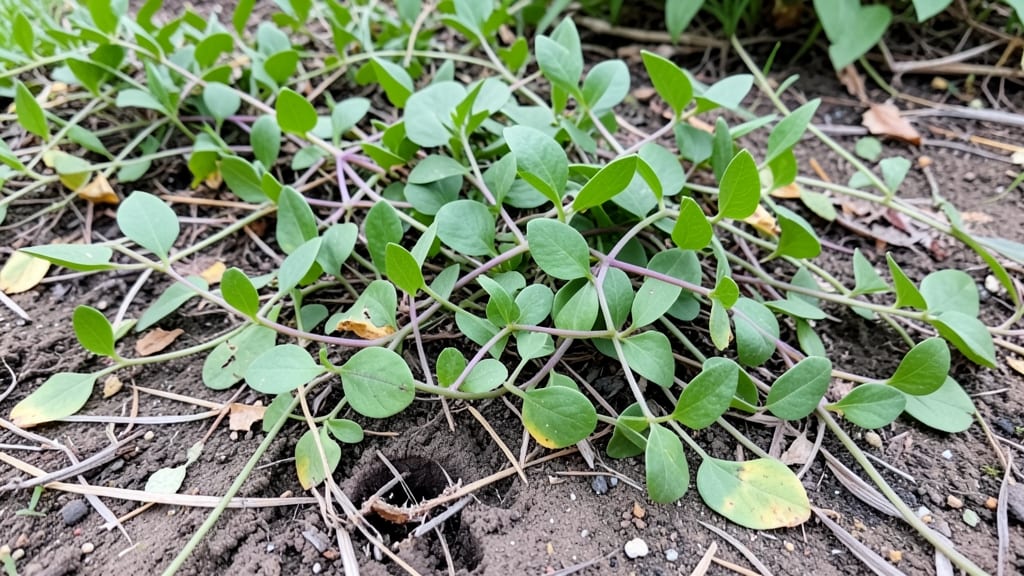
Creeping Charlie—aka grass runners weed—turns lush lawns into a tangled mess if you don’t act fast. 🌱 I’ve wrestled with this stubborn invader for years, and I’ll show you how to banish it in just three weeks without toxic sprays or backbreaking work.
The problem starts when those tiny, rounded leaves spread like wildfire, smothering grass and gardens. Most people grab herbicides first, but I’ve found the real secret lies in smothering, timing, and persistence—not chemicals.
A simple vinegar mix or corn gluten meal does the trick when applied at the right moment.
By the end of the season, you’ll have a lawn free of that creeping green, with grass reclaiming its space. The best part? No more chemical residue, no more risk to pets or kids running through the yard. It’s all about working with nature’s tools.
Works for both lawns and garden beds, and the method scales whether you’ve got a small patch or a full yard takeover. Ready to take back your green space? Let’s get started with the no-fuss plan.
Why it happens
If you’ve ever stared at your lawn in frustration, watching grass runners weed (also known as creeping Charlie or ground ivy) spread like a green carpet, you’re not alone. This tenacious weed thrives in conditions that many homeowners unintentionally create.
Understanding why it happens is the first step to stopping it in its tracks. Let’s break down the science—and the sneaky habits—behind its relentless growth.
🌱 Overwatering Creates the Perfect Oasis
Grass runners weed loves moisture, but most lawns get too much of it—thanks to overzealous watering schedules, poor drainage, or even rain-soaked soil that never dries. Here’s why it’s a problem:
- Shallow Root Systems: Unlike grasses, which develop deep roots when watered deeply but infrequently, this weed thrives with surface-level hydration. Frequent light watering keeps its roots moist and encourages rapid, horizontal spread.
- Competitive Edge: Overwatered lawns often suffer from thin, stressed grass, leaving gaps for weeds to exploit. Grass runners weed outcompetes weaker grass by smothering it with its dense mat.
- Fungal Buffet: Excess moisture creates the perfect environment for soil-borne fungi, which this weed tolerates better than most grasses. The result? A lawn that’s both weed-infested and disease-prone.
Actionable Fix: Switch to deep, infrequent watering (1–1.5 inches per week, including rain) and improve drainage with sand or compost. Let the top inch of soil dry between waterings—this weed hates drought stress.
🌿 Poor Soil Health Feeds the Weed
Grass runners weed is a nitrogen lover, and most lawns unknowingly provide it with a feast. Here’s how:
- Excess Nitrogen: Fertilizers high in nitrogen (common in fast-release lawn foods) create lush, soft growth—ideal for weeds. This weed absorbs nitrogen 3x faster than grass, giving it a growth spurt while your lawn struggles to keep up.
- Low pH (Acidic Soil): It thrives in slightly acidic conditions (pH 5.5–6.5), while many grasses prefer neutral soil (pH 6.5–7.5). If your soil test reveals acidity, you’re unintentionally creating a weed paradise.
- Compacted Soil: Heavy foot traffic, machinery, or clay-heavy soil smothers grass roots while leaving space for weeds to take hold. Compacted soil also traps moisture, doubling the problem.
Actionable Fix: Test your soil and amend with lime (to raise pH) or gypsum (for clay soil). Use a slow-release, balanced fertilizer (e.g., 16-4-8) and aerate annually to relieve compaction.
☀️ Shady or Partially Shaded Lawns
Grass runners weed is a shade-tolerant bully. While most cool-season grasses struggle in low light, this weed flourishes where sunlight is scarce. Here’s why:
- Low Light Adaptation: It grows via stolons (horizontal stems) that spread just below the soil surface, allowing it to capture minimal light while smothering grass.
- Grass Weakness: Most turfgrasses (like Kentucky bluegrass or fescue) require 4–6 hours of sun daily. In shady spots, they thin out, leaving gaps for weeds to invade.
- Moisture Retention: Shady areas stay damp longer, creating the ideal moisture conditions for this weed’s rapid growth.
Actionable Fix: If your lawn has persistent shade, overseed with shade-tolerant grasses like fine fescue or creeping red fescue. For stubborn patches, consider mulch or ground cover plants to block light.
🌱 Dormant or Weak Grass Invites Takeover
When your lawn is stressed, thin, or recovering from damage, grass runners weed sees an opportunity. Common triggers include:
- Thatch Buildup: A thatch layer thicker than ½ inch blocks water and nutrients from reaching grass roots, weakening them while the weed thrives above.
- Pest or Disease Damage: Grubs, chinch bugs, or fungal infections kill grass in patches, creating bare spots where weeds move in.
- Seasonal Dormancy: In late summer/early fall, grass slows growth, while this weed stays active, spreading unchecked.
Actionable Fix: Dethatch in early spring, treat pest/disease issues proactively, and overseed bare patches immediately. For dormant grass, apply a winterizer fertilizer in late fall to jumpstart recovery.
🔄 Human Habits Spread the Problem
Sometimes, the issue isn’t your lawn—it’s how you interact with it. Unintentional actions that help grass runners weed include:
- Mowing Too Short: Cutting grass below 2–3 inches stresses roots and allows weeds to steal sunlight. This weed’s stolons root at the nodes, so shorter mowing encourages more nodes and faster spread.
- Improper Trimming: Using dull mower blades tears grass instead of cleanly cutting it, creating entry points for disease—and more opportunities for weeds.
- Moving Soil or Mulch: Weed fragments in topsoil, compost, or mulch can hitchhike into your lawn. Even "weed-free" mulch might contain dormant seeds.
Actionable Fix: Mow at 3–4 inches with a sharp blade, and never use grass clippings from infested areas as mulch. When amending soil, sterilize it with a 10-minute boil or solarization.
Natural Ways to Eliminate Stubborn Lawn Weeds
If you’ve spotted grass runners weed creeping across your yard, don’t panic—there are effective, chemical-free ways to tackle it. The key is a mix of targeted removal, smothering techniques, and prevention. Below, we break down solutions by cause, with step-by-step fixes and tips to keep your lawn weed-free long-term.
🌱 Overgrown Grass Runners? Pull Them Out Properly
When grass runners (like creeping charlie or crabgrass) take over, manual removal is often the fastest fix—but only if done right.
🔥 Step 1: Identify & Trim the Roots
- How: Use a hand trowel or weeding knife to dig out the entire plant, including 1–2 inches of root. Grass runners spread via rhizomes (underground stems), so cutting them short won’t stop regrowth.
- Pro Tip: 💡 Pull weeds on a dry, sunny day—soil is easier to work with, and the plants are more vulnerable.
🍳 Step 2: Smother with Mulch or Cardboard
- How: Cover the bare spots with:
- Cardboard + Mulch: Lay down wet cardboard (ink-free) over the area, then top with 2–3 inches of straw or wood chips. This blocks sunlight and suffocates weeds in 2–4 weeks.
- Thick Layer of Grass Clippings: Spread clippings (from mowing) to create a natural barrier.
- Warning: ⚠️ Avoid plastic sheets—they trap heat and can harm grass.
👨🍳 Step 3: Replant with Competitive Grass
- How: Once the area is clear, overseed with dense, shade-tolerant grass (like fine fescue or perennial ryegrass). Water lightly daily for 2 weeks to help seeds establish.
🌡️ Soil Too Compacted? Loosen & Revive
Weeds thrive in compacted soil where grass struggles. Aeration and organic matter can turn the tide.
🔪 Step 1: Aerate the Lawn
- How: Rent a core aerator (or use a manual spike aerator for small areas) to pull out 2–3 inch soil plugs. Do this in spring or fall when grass is actively growing.
- Pro Tip: 🌡️ Follow up with a compost top-dressing (¼ inch layer) to improve soil structure.
🥘 Step 2: Boost Organic Matter
- How: Mix in:
- Compost (store-bought or homemade)
- Worm castings (for nutrient-rich soil)
- Biochar (to retain moisture and improve drainage)
- Healthier grass crowds out weeds naturally over 3–6 weeks.
🎯 Step 3: Adjust Watering Habits
- Fix: Water deeply 2–3 times per week (early morning) instead of daily light sprinkles. This encourages deep roots that outcompete weeds.
☀️ Shady or Bare Spots? Outsmart the Weeds
Grass runners love thin lawns. Fix the conditions to starve them out.
💡 Step 1: Choose the Right Grass Seed
- For Shady Areas: Plant shade-tolerant grasses like:
- Fine fescue
- St. Augustine grass
- Zoysia (if partial shade)
- For Sunny Patches: Use warm-season grasses (bermudagrass, buffalograss) that grow aggressively.
✨ Step 2: Apply a Pre-Emergent Barrier (Natural Option)
- How: Spread corn gluten meal (a byproduct of corn processing) in early spring. It’s a non-toxic pre-emergent that prevents weed seeds from sprouting.
- Dosage: 20 lbs per 1,000 sq ft. Reapply after heavy rain.
🌿 Step 3: Use Vinegar Spray for Spot Treatment (Last Resort)
- How: Mix:
- 1 gallon white vinegar (20% acetic acid)
- 1 oz dish soap (as a surfactant)
- Spray directly on weeds (avoid desirable plants—it kills everything it touches).
- When: Apply on a sunny, windless day for best results.
🛡️ Prevention Tips to Keep Weeds Away
Once you’ve cleared the grass runners, keep them from returning with these long-term strategies.
- 📊 Mow High: Set your lawnmower to 3–4 inches—taller grass shades out weeds.
- 💪 Overseed Annually: Fill in thin spots in early fall when grass recovers fastest.
- 🍎 Feed Your Lawn: Use a slow-release organic fertilizer (like alfalfa meal) twice a year.
- 🌡️ Monitor Soil pH: Test your soil—grass runners prefer acidic soil (pH < 6.5). Adjust with lime if needed.
With patience and the right approach, you can eliminate grass runners weed in 3 weeks—and keep your lawn lush and chemical-free for years. Start with the method that fits your yard’s biggest problem, then layer in prevention for lasting results!
Frequently asked questions
What’s the fastest way to kill grass runners weed without chemicals?
Use a vinegar spray (1 gallon white vinegar + 1 oz dish soap) for spot treatment on sunny days. For larger areas, smother with wet cardboard + mulch—this blocks sunlight and suffocates the weed in 2-4 weeks. Corn gluten meal also prevents regrowth naturally.
Can mowing help control grass runners weed?
Yes, but only if you mow correctly! Keep grass at 3-4 inches—this shades out weeds. Never cut below 2 inches, as this stresses grass and encourages weed spread. A sharp mower blade also prevents tearing grass, which invites more weeds.
Why does grass runners weed keep coming back after I pull it?
You’re likely missing the rhizomes (underground stems)! Dig out 1-2 inches of root when pulling. If fragments remain, they’ll regrow. For stubborn patches, smother with mulch or apply vinegar after removal to prevent regrowth.
Is grass runners weed harmful to pets or kids?
No, it’s not toxic! However, some herbicides used to kill it can be harmful. Always choose organic methods (vinegar, smothering, or corn gluten) when kids or pets play in the yard. The plant itself is safe to touch or ingest.
When is the best time of year to tackle grass runners weed?
Target it in early spring or fall when weeds are actively growing. Avoid summer heat or winter dormancy. For spot treatments, a sunny, dry day works best—weeds are more vulnerable when soil is warm and moist.