
How To
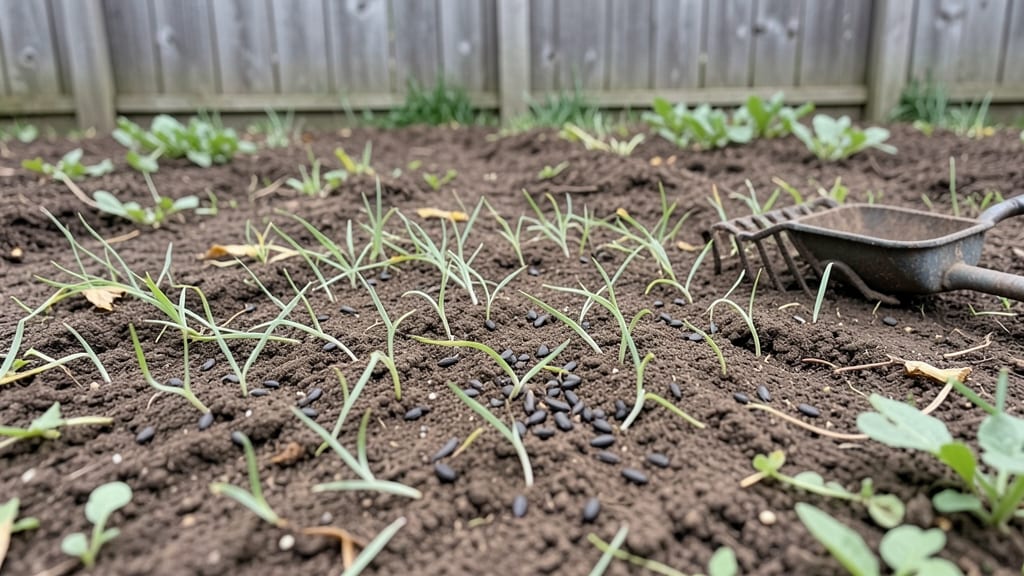
Planting grass seed in October creates perfect conditions for growth in most climates, thanks to cooler air and natural rainfall that boost seedling survival rates. Selecting the right cool-season variety and meticulous soil prep are key to establishing a lush lawn before winter sets in.
October's mild temperatures and increased moisture create an ideal window for new grass to establish strong roots before winter dormancy. 🌱 The cooler air reduces stress on young seedlings while preventing the rapid growth spurts of summer that lead to weak, thin lawns.
I've found that regions with distinct seasons—especially the northern U.S.—see the best results when planting in the first two weeks of October, while southern areas can extend planting into November when daytime temps stay above 50°F.
What sets October apart is how it balances germination speed with weed suppression. Many annual weeds go dormant as temperatures drop, giving your grass seedlings a competitive edge.
The key is to test your soil's pH (aim for 6.0-7.0) and loosen it to 1/4-inch depth before seeding—this ensures proper seed-to-soil contact for even sprouting.
💡 In This Article
- Optimal October Grass Seed Germination Conditions
- Step-by-Step October Grass Seed Planting Guide
Optimal October grass seed germination conditions
October's success for grass seed lies in its balanced climate conditions. Daytime temperatures typically range between 50°F and 70°F in most regions, creating the perfect environment for cool-season grasses like Kentucky bluegrass and fescue. These varieties thrive when soil temperatures hover around 60-65°F, which October often delivers.
The cooler air reduces moisture evaporation, allowing seeds to maintain consistent hydration while avoiding the heat stress that summer planting causes.
Moisture becomes the critical factor—October's increased rainfall (especially in northern climates) provides natural irrigation, but supplemental watering remains essential.
The ideal soil moisture level maintains a damp sponge-like texture, where seeds can absorb water without becoming waterlogged. 1-1.5 inches of water per week is the target, applied in light sessions to prevent runoff.
In drier southern regions, morning watering becomes crucial to allow foliage to dry before evening, preventing fungal diseases that thrive in damp conditions.
Daylight hours play an unexpected but vital role. October's decreasing sunlight (down to 10-12 hours in northern states) triggers a natural slowdown in growth, encouraging root development over top growth. This is why October seedlings establish deeper root systems than summer plantings.
The reduced weed competition comes from both shorter daylight and cooler temperatures—most annual weeds require 12+ hours of daylight to germinate, giving your grass a significant advantage during its critical establishment phase.
Regional variations create distinct conditions. Northern states (USDA zones 3-6) experience ideal October germination with soil temperatures between 55°F and 65°F, while southern zones (7-9) can extend planting into November when daytime temps stay above 50°F.
The key difference is nighttime temperatures—northern regions see nights dropping to 40°F, which helps harden off seedlings, while southern areas maintain warmer nights that require more frequent watering to prevent drying.
Soil pH becomes a critical but often overlooked factor. The ideal range for cool-season grasses is 6.0-7.0, where nutrients become most available. Testing your soil with a simple home kit (costing $10-$15) reveals whether you need to adjust with lime (to raise pH) or sulfur (to lower it).
I've found that many lawns have hidden pH issues—what appears as brown patches might actually be zinc or iron deficiencies caused by incorrect pH levels, not just poor watering.
Testing soil readiness involves more than just moisture checks. Press your finger 1-2 inches into the soil—it should feel like a damp sponge that holds its shape when squeezed but doesn't crumble. The presence of earthworms indicates healthy soil structure, while a strong earthy smell suggests proper organic matter content.
For compacted soils, aeration with a core aerator (1/4-inch holes) becomes essential to create the proper seedbed environment.
What most people don't realize is how October's weather patterns create a natural fertilization effect. The increased rainfall leaches excess salts from summer heat stress while bringing dissolved nutrients to the surface.
This natural process means you can reduce initial fertilization—waiting until spring for your first application often yields better results than fall feeding, as the seeds will use the nutrients more efficiently when actively growing in spring rather than trying to establish in cooler conditions.