
Lawn
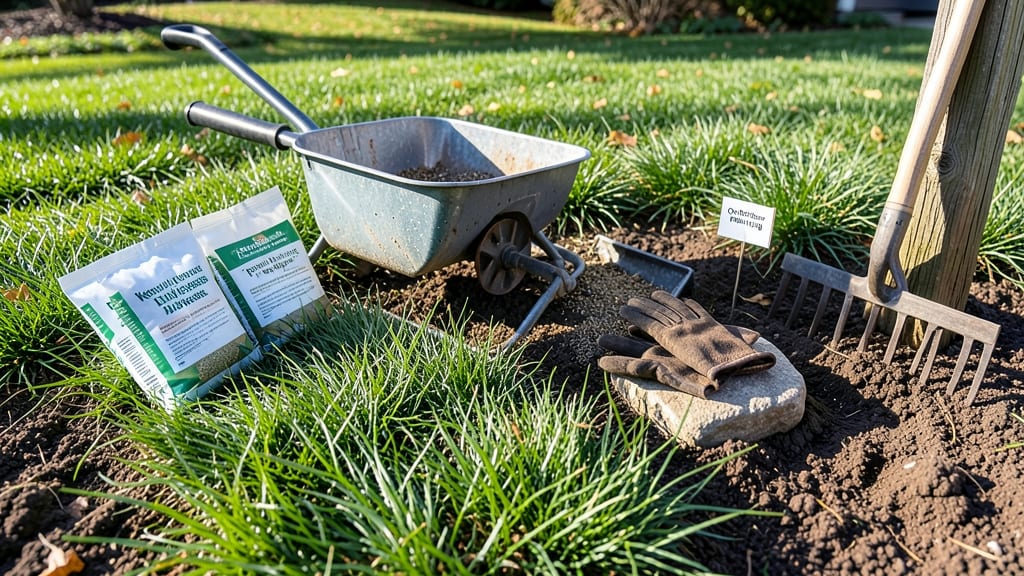
Planting lawn seed in October gives your grass a head start before winter—when most people think it’s too late to even try.
Here’s the secret: cooler temperatures mean fewer weeds, deeper root growth, and a stronger lawn by spring. But timing matters—plant too early, and weeds steal the show. Too late, and frost nips your seedlings before they take hold.
In Zone 6, aim for early October (before the first frost) to let your 🌱 lawn grass establish roots while avoiding summer’s heat stress. The key? Proper soil prep, the right seed blend, and a smart watering schedule.
Below, I’ll walk you through the exact steps to maximize germination, from soil prep to post-planting care—so you’re not left with bare patches next year.

Why October is the best month for planting lawn seed (and how to do it right)
Fall lawn seeding might surprise you, but October offers ideal conditions for grass to establish strong roots before winter. Cooler air temperatures reduce seedling stress, while warm soil encourages rapid germination.
Plus, fewer weeds compete for nutrients, giving your new grass a head start. The key? Planting at the right time in your region to maximize these benefits before the first frost.
Science backs up this timing: cool-season grasses like Kentucky bluegrass and fescue thrive in fall's 60-75°F soil temperatures. These grasses grow slowly in summer heat but bolt to maturity in 6-8 weeks when days shorten.
By October, they've developed a deep root system that survives winter and outperforms spring plantings by next summer.
Regional timing matters—plant too early in warm climates, and weeds take over. Too late, and frost stunts growth. The 4-6 week window before first frost is critical. For USDA Zones 3-5, aim for mid-September to early October. In Zones 6-8, late October to early November works best. Southern Zones 9-11 can extend to December, but avoid planting when soil temps drop below 50°F.
| Region | USDA Zones | Ideal Planting Window | Soil Temp Goal | Key Benefit |
|---|---|---|---|---|
| Northern US | 3-5 | Mid-Sept to Early Oct | 60-70°F | Long daylight + cool nights |
| Mid-Atlantic | 6-7 | Late Sept to Mid-Oct | 65-75°F | Moderate rainfall + fewer pests |
| Southern US | 8-10 | Late Oct to Early Nov | 70-80°F | Warmer soil + extended growing season |
🌱 Pro Tip: Use a soil thermometer to verify temps—ideal range is 50-70°F for germination.
Beyond timing, October's natural rainfall patterns reduce your watering workload. Most regions receive 20-30% more precipitation in fall, which helps young grass roots penetrate 4-6 inches deep before winter. This deep root system means your lawn recovers faster from summer droughts and resists weeds better than spring plantings.
Weed suppression is another October advantage. Summer weeds like crabgrass die back in fall, while cool-season weeds haven't germinated yet. This 6-8 week window gives your grass a competitive edge. Pre-emergent herbicides applied in late August to early September further reduce weed competition during critical establishment.
For best results, pair October planting with these three science-backed steps:
- Test soil pH (ideal: 6.0-7.0) and amend with lime or sulfur if needed
- Loosen top 2-3 inches of soil with a rake or aerator
- Apply starter fertilizer (high phosphorus) at ½ lb per 100 sqft
This combo ensures your grass gets the nutrients and traction it needs to germinate in 7-14 days.
Watering strategy is equally critical. After planting, keep soil moist but not soggy—aim for ¼ inch of water daily for the first 2 weeks. Use a sprinkler with gentle mist to avoid displacing seed.
Once seedlings emerge, deep water 2-3 times weekly to encourage root growth. Morning watering (6-9 AM) prevents fungal diseases like dollar spot, which thrives in evening moisture.
Don't let early frost fears stop you—grass planted 4-6 weeks before first frost will have 2-3 inches of root growth by winter. In Zones 4-6, apply 1-2 inches of straw mulch after planting to insulate seedlings.
For Zones 7-10, a light winter blanket protects against freeze-thaw cycles that can heave young roots.
By next spring, your October-planted lawn will outperform spring plantings in three key ways:
- Denser growth from deeper roots
- Fewer weeds due to early competition
- Faster recovery from summer stress
The $0.50 per sqft savings on spring seeding costs also makes October the smart choice for both your lawn and wallet.
Ready to
October lawn seed selection guide: cool-season grasses vs. warm-season grasses
Choosing the right lawn seed in October is critical for establishing a thick, resilient lawn by spring. The key distinction lies between cool-season grasses and warm-season grasses, with only the former thriving when seeded in fall.
Cool-season varieties like Kentucky bluegrass, tall fescue, and ryegrass germinate best in the 50-70°F range, making October perfect for northern climates.
Warm-season grasses, such as Bermuda or Zoysia, struggle in fall planting because they require soil temperatures above 65°F to germinate. Planting them in October often results in poor establishment, so avoid these varieties unless you're in a southern climate with mild winters.
Instead, focus on cool-season blends that tolerate frost and outcompete weeds.
| Grass Type | Best For | October Planting? | Shade Tolerance | Traffic Tolerance |
|---|---|---|---|---|
| Kentucky Bluegrass | Sun to partial shade | ✅ Yes (best in fall) | Moderate | High |
| Tall Fescue | Full sun to deep shade | ✅ Yes (drought-resistant) | Excellent | Moderate |
| Perennial Ryegrass | Full sun to partial shade | ✅ Yes (fast germination) | Moderate | High |
| Bermuda | Full sun (warm climates) | ❌ No (warm-season) | Low | Very High |
| Zoysia | Full sun (warm climates) | ❌ No (warm-season) | Moderate | High |
For full-sun lawns, I recommend a blend of Kentucky bluegrass (for durability) and perennial ryegrass (for quick germination). This combo establishes fast and handles foot traffic well. If your yard has shady areas, opt for tall fescue blends, which tolerate low light better than other cool-season grasses.
Heavy-traffic areas benefit from fine fescue mixes, which stay green longer under stress. Avoid annual ryegrass for permanent lawns—it’s great for temporary coverage but dies back in summer. For best results, choose a pre-mixed seed blend labeled for your climate and sunlight conditions.
Test your soil in October to adjust pH levels (6.0-7.0 ideal) before seeding. Cool-season grasses thrive in slightly acidic to neutral soil, so amend with lime or sulfur as needed. A light fertilizer application at planting time (high phosphorus) encourages root development before winter.
Once seeded, maintain consistent moisture for 4-6 weeks to prevent drying. Cool-season grasses need 1/2 inch of water weekly in fall, but avoid overwatering, which can lead to fungal issues. Mulch with straw after seeding to retain moisture and protect seedlings from frost.