
Lawn
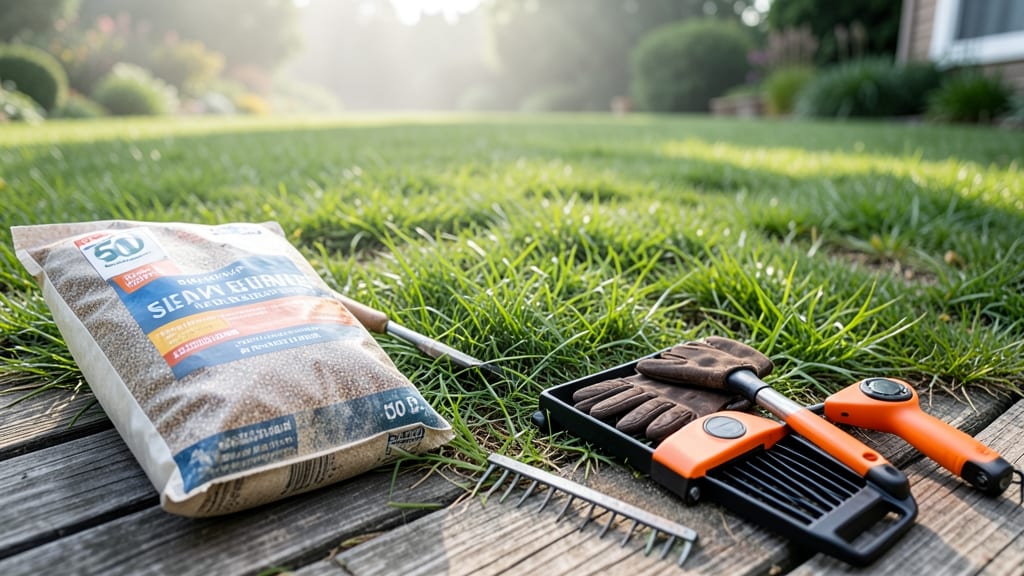
Fertilizing your lawn in spring at the right time is the difference between a thick, green carpet and a patchy, struggling yard — and most people wait too long.
You’ve probably heard “spring” is the season, but the exact moment matters more than you think. Too early, and the cold soil locks out nutrients; too late, and summer heat burns the grass before it can use them.
The 3-week window between soil warming to 55°F and pre-emergent weeds sprouting is where the magic happens.
Here’s what you need to know: how to read your grass’s cues, adjust for your climate zone, and avoid the 5 biggest mistakes that waste fertilizer and stress your lawn. We’ll break it down by grass type, regional timing, and even how much to water before and after.
By the end, you’ll have a clear timeline for feeding your lawn — no guesswork, just stronger roots and a yard that stays green all season.

The exact 3-Week spring fertilization timeline for lawn health
Spring is the perfect time to give your lawn a nutrient boost, but timing is everything. Fertilizing too early can waste nutrients, while waiting too long lets weeds take over.
The optimal 3-week window depends on your grass type and local climate, but following this schedule ensures your lawn gets the right nutrients when it needs them most.
For cool-season grasses like Kentucky bluegrass and fescue, the best time to fertilize is when soil temperatures reach 55-65°F—typically mid-March to early April. Warm-season grasses like Bermuda and Zoysia, however, need to wait until soil temps hit 65-75°F, usually in late April or May.
This timing aligns with when grass roots are actively growing and ready to absorb nutrients.
Here’s how to break down the 3-week fertilization timeline for maximum lawn health, including pre-emergent herbicide timing and root growth phases:
| Week | Task | Grass Type | Soil Temp | Notes |
|---|---|---|---|---|
| Week 1 | Apply pre-emergent herbicide | Cool-season | 55-65°F | Prevents crabgrass and weeds |
| Week 2 | Fertilize with high-nitrogen feed | Cool-season | 55-65°F | Use 24-0-10 or 16-4-8 |
| Week 3 | Light root-boost fertilizer | Both types | 60-70°F | Encourages deep root growth |
| Week 4+ | Apply warm-season pre-emergent | Warm-season | 65-75°F | Timing varies by region |
The first step in your 3-week timeline is applying a pre-emergent herbicide to stop weeds before they sprout. For cool-season grasses, this should happen in early spring (March) when soil temperatures are consistently above freezing.
Pre-emergent works by creating a barrier in the soil, preventing weed seeds from germinating while allowing your grass to grow uninhibited.
Once weeds are controlled, the next critical step is fertilizing with a high-nitrogen feed (like 24-0-10 or 16-4-8). This should occur in late March to early April for cool-season grasses, when soil temperatures are ideal for nutrient absorption.
Warm-season grasses, however, need to wait until late April or May, when soil temps reach 65-75°F. This timing ensures the fertilizer doesn’t get "locked up" in cold soil, where roots can’t access it.
After fertilizing, focus on deep root growth by applying a lighter feed in the third week. This step is crucial for strengthening your lawn’s foundation before summer stress sets in.
Use a fertilizer with a balanced NPK ratio (like 10-10-10) to encourage root development without overloading the grass with nitrogen, which can lead to thatch buildup.
If you’re in a warmer climate (USDA Zones 8-10), adjust your timeline by shifting everything 2-4 weeks later. Warm-season grasses like Bermuda and Zoysia thrive in heat, so fertilizing them in late spring (May) gives them the boost they need for summer growth.
Always check soil temps with a soil thermometer—this simple tool takes the guesswork out of timing.
Pro tip: Water deeply after fertilizing to help nutrients penetrate the soil. Aim for 1 inch of water over the next 24-48 hours, but avoid overwatering, which can leach nutrients away.
Early morning is the best time to water, as it reduces evaporation and fungal risks. This step ensures your lawn gets the full benefit of the fertilizer without wasting valuable nutrients.
Finally, avoid foot traffic on your lawn for at least 48 hours after fertilizing. This gives the grass time to absorb nutrients without stress. If pets or kids play on the lawn, consider using a pet-safe fertilizer or waiting until the area is dry before letting them back out.
Proper timing and care now will pay off with a thicker, greener lawn all season long.
By following this 3-week spring fertilization timeline, you’ll give your lawn the perfect start to the growing season. Whether you have cool-season or warm-season grass, adjusting for your local climate ensures your lawn stays healthy, weed-free, and vibrant all summer long. 🌱
How to adjust fertilization based on your grass type and climate zone
Not all grass types thrive on the same fertilization schedule. Your grass variety and climate zone determine when to apply fertilizer for optimal growth. Cool-season grasses like Kentucky bluegrass and fescue need early spring feeding, while warm-season types like Bermuda and Zoysia prefer late spring timing.
Let’s break down the best approach for your yard.
Soil temperature is your secret weapon for perfect timing. For cool-season grasses, fertilize when soil temps reach 55-60°F—usually in early March to April in the Northern U.S. Warm-season grasses, however, need to wait until soil temps hit 65-70°F, often in late April to May in Southern regions.
Use a soil thermometer to avoid guessing.
| Grass Type | Climate Zone | Best Fertilization Time | Soil Temp Threshold |
|---|---|---|---|
| Kentucky Bluegrass | Northern U.S. (Zones 3-7) | Early March - April | 55-60°F |
| Fescue | Northern U.S. (Zones 4-8) | Late March - Early April | 50-55°F |
| Bermuda | Southern U.S. (Zones 7-11) | Late April - May | 65-70°F |
| Zoysia | Southern U.S. (Zones 6-10) | May - Early June | 68-72°F |
In the Northern U.S., focus on cool-season grasses like Kentucky bluegrass or fescue. These varieties wake up early, so apply a high-nitrogen fertilizer (like 24-0-10) once soil thaws. Avoid fertilizing too early—cold soil locks nutrients out of reach.
For the Southern U.S., warm-season grasses like Bermuda and Zoysia need patience. Wait until daytime temps consistently stay above 70°F before fertilizing.
Regional weather patterns also play a role. In drought-prone areas, reduce fertilization to prevent stress. If your region has late frosts, delay feeding until after the last frost date.
Always water deeply after fertilizing to help nutrients penetrate the soil. Aim for 1 inch of water within 24-48 hours to activate the fertilizer.
Adjust your approach if your lawn shows signs of stress. Yellowing grass after fertilization? You may have overdone it. Brown patches? Check for disease or poor drainage before reapplying. A simple soil test ($20 at garden centers) reveals pH and nutrient levels, helping you fine-tune your plan for next season.
Pro tip: Split your spring fertilization into two applications. First, feed lightly in early spring to jumpstart growth. Then, apply a second dose 6-8 weeks later for sustained vigor. This two-step method ensures your grass stays green without burning out.