
Lawn
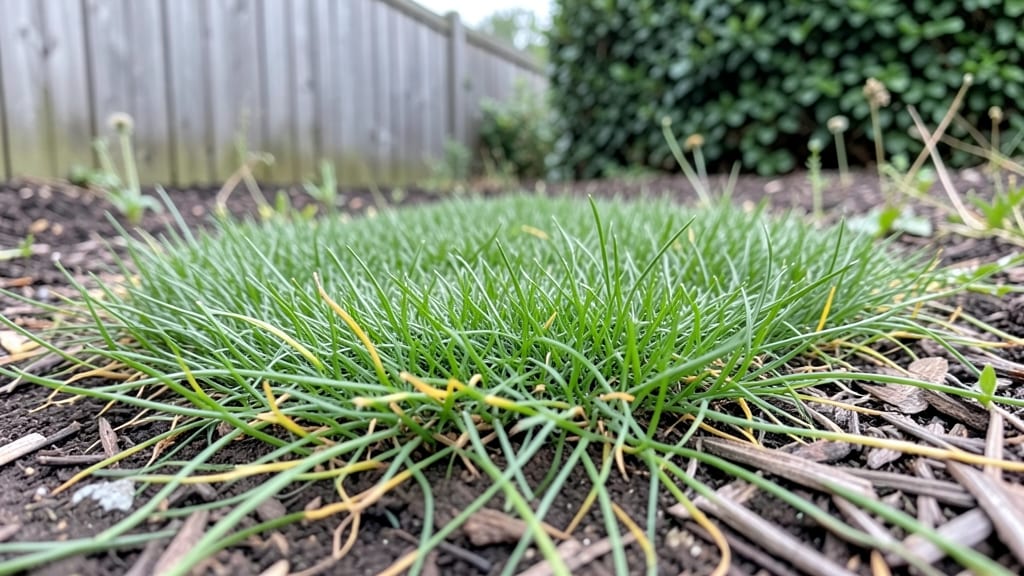
When your creeping grass 🌱 starts running away, it’s not just an eyesore—it’s a sign your lawn is fighting for its life.
Watching your lush lawn transform into patchy, weed-filled bare spots is frustrating—and the culprit is often grass that 'runs away' when stressed. But the good news? You can stop this common problem with the right approach, saving time, money, and your lawn's health.
Creeping grasses like Bermuda or Zoysia spread aggressively when they’re struggling—whether from overwatering, drought, or poor soil. The key is identifying the stressor before it’s too late, because once those thin patches take over, they’re harder to fix than you’d think.
In this guide, I’ll walk you through three simple steps to diagnose the issue, restore your lawn’s thickness, and keep it lush for seasons to come—no guesswork required.
Why grass 'runs away' and how to identify the problem
When your lawn starts showing thinning patches, yellowing grass, or exposed soil, it’s often a sign your grass is "running away"—a phrase gardeners use for grass that retreats due to stress.
This isn’t just about weeds taking over; it’s your grass shriveling or dying from underlying issues. Understanding these root causes is the first step to reviving your lawn.
Grass "running away" typically happens when it’s overwatered, underwatered, or suffering from nutrient deficiencies. Other culprits include pest infestations, disease pressure, or even compaction from foot traffic. Each of these problems leaves distinct visual clues that help you diagnose the issue before it spreads.
🌱 Overwatering is one of the most common mistakes. When grass gets too much water, its roots suffocate, turning the lawn soggy and spongy.
Look for mushy patches that feel damp even days after rain. Fungal diseases like brown patch or dollar spot often follow, creating circular dead spots that spread quickly.
On the flip side, drought stress causes grass to turn grayish-blue and feel crispy underfoot. If you pull up a blade, the roots will appear short and brittle.
This is your grass’s way of conserving moisture, but if ignored, it leads to permanent thinning as the roots die back.
⚠️
⚠️ Warning: Don’t Ignore These Red Flags!
Yellowing grass with thin, wispy blades = nutrient deficiency (likely nitrogen or iron). White, powdery spots = fungal disease. Chewing damage on blades = grubs or chinch bugs. Exposed soil in patches = dead roots from compaction or disease.
Pro Tip: Dig up a 1-inch soil sample from a thinning area. If the roots are brown and mushy, it’s rot. If they’re white and sparse, it’s drought or poor soil.
Pests like grubs, chinch bugs, or armyworms can also make grass "run away" by eating the roots or blades. Look for irregular brown patches that pull up like carpet when tugged. Birds or raccoons digging in your lawn is another clue—these critters are often hunting grubs.
Soil issues play a huge role too. If your lawn has clay-heavy soil, water pools in low spots, creating anaerobic conditions that strangle roots.
Conduct a simple soil test (available at garden centers for $20-$30) to check pH and nutrient levels. Ideal pH for most grasses is between 6.0 and 7.0—outside this range, nutrient uptake suffers.
Even mowing too short can trigger grass to "run away." When you scalp your lawn, you remove protective leaf tissue, leaving grass vulnerable to drought and disease. Stick to the 1/3 rule: Never remove more than one-third of the blade height in a single mowing.
For example, if your grass is 4 inches tall, mow to 3 inches, not 1 inch.
🌿 Another key symptom is uneven growth. If your lawn has thick, green stripes where you fertilize and thin, brown patches elsewhere, it’s a sign of nutrient imbalance. Slow-release fertilizers or compost top-dressing can help even out growth.
Spread ¼ inch of compost over the lawn in early spring to boost organic matter and improve soil structure.
To confirm your diagnosis, use the "Finger Test". Push a soil probe or your finger 2 inches into the ground in a thinning area. If the soil is hard and compacted, aerate immediately.
If it’s loose and dry, you’re dealing with underwatering or poor drainage. Both issues require corrective action to prevent further damage.
💧 Finally, keep an eye on your watering schedule. Light, frequent watering encourages shallow roots, while deep, infrequent watering (like 1-1.5 inches per week) promotes strong root growth. Use a rain gauge or tuna can to measure water output—most sprinklers overwater by 30-50%.
3 Simple steps to stop grass from thinning and restore a thick lawn
A lawn that loses density and develops unsightly bare patches is often the result of grass that runs away due to stress. Whether it's from poor soil health, incorrect watering, or the wrong grass type for your climate, the good news is that you can reverse this with targeted fixes.
The key is addressing the root causes while giving your lawn the care it needs to recover and thrive.
I’ve helped countless homeowners transform patchy, struggling lawns into lush, green carpets by focusing on three core areas: soil health, grass selection, and proper maintenance.
These steps are simple but effective, and they’ll save you time, money, and frustration in the long run. Let’s dive into the actionable solutions that work.
Your 3-Step Lawn Revival Plan
-
Step 1: Fix Soil Conditions
- Test your soil pH (ideal: 6.0–7.0 for most grasses).
- Add compost or organic matter to improve drainage and nutrient retention.
- Amend compacted soil with sand or perlite if water pools.
-
Step 2: Choose the Right Grass Type
- Cool-season grasses (e.g., Kentucky bluegrass) thrive in northern climates.
- Warm-season grasses (e.g., Bermuda grass) are perfect for southern regions.
- Opt for drought-resistant blends if your area has water restrictions.
-
Step 3: Master Watering and Mowing
- Water deeply 1–2 times per week (early morning) to encourage deep roots.
- Mow at 3–4 inches tall to shade soil and reduce stress.
- Avoid scalping (cutting too short), which weakens grass.
Start by testing your soil pH and adjusting it if needed—this is the foundation of a healthy lawn. Many homeowners skip this step, only to find their grass struggling despite their best efforts.
A simple soil test kit (available at garden centers) will give you the data you need to make informed amendments. For example, if your soil is too acidic, a lime application can work wonders in just a few weeks.
Once your soil is optimized, focus on overseeding with the right grass type for your climate. Cool-season grasses like tall fescue are hardy and shade-tolerant, while warm-season varieties like Zoysia grass handle heat and drought beautifully.
Mixing seeds with clover can also improve nitrogen levels naturally, reducing the need for fertilizers.
Finally, adjust your watering schedule to match your grass’s needs. Most lawns only need about 1–1.5 inches of water per week, including rainfall. Use a rain gauge or tuna can to measure—many people overwater, which leads to shallow roots and weak grass.
Pair this with proper mowing height, and you’ll see thicker growth in as little as 4–6 weeks.
With these three steps, you’ll not only stop your grass from thinning but also create a lawn that’s resilient, beautiful, and low-maintenance. The best part? You’ll see results faster than you think—just give it time and consistency. Happy gardening! 🌱