
Lawn
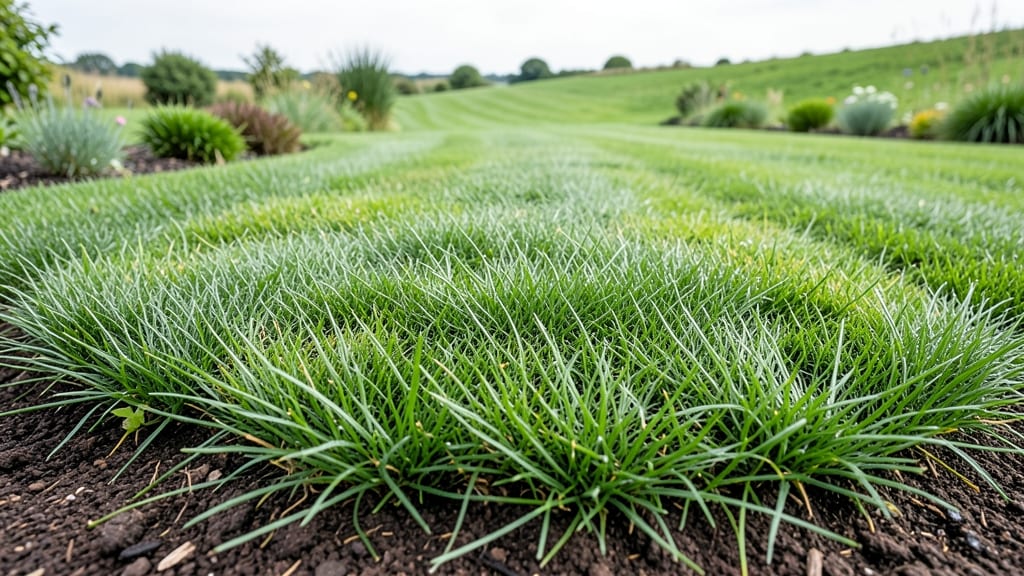
A grass turf lawn isn’t just about instant green—it’s about creating a foundation that stays vibrant with minimal fuss. 🌱 I’ve transformed patchy yards into lush carpets by focusing on the right soil prep, seed selection, and watering rhythm.
The key isn’t just speed; it’s setting up your lawn to thrive long after the 30-day mark. You’ll need a few essentials: a sturdy rake, quality seed or sod, and a sprinkler system (or hose with a timer).
The soil prep alone makes the difference—loosen the top 4-6 inches, level uneven spots, and remove debris. Skip this step, and you’ll battle weeds and bare patches for years. Within 30 days, you’ll see dense, even growth that resists weeds and drought better than store-bought sod.
The secret is consistent moisture (not soggy soil) and a little patience—most grass types need 10-15 minutes of watering daily in the first two weeks. This method works for sunny backyards, shady patches, or even small urban spaces. Let’s get your lawn growing right the first time!
📚 In This Guide
- What you need
- Instructions
- Tips and common mistakes
- Wrapping up and next steps
What you need
- ● Grass turf (sod): Quantity: Calculate ~10 sq. ft. per sq. yard of lawn area (e.g., 500 sq. ft. lawn = 50 sq. yards of sod).
- ● Type: Choose cool-season (Kentucky bluegrass, fescue) for northern climates or warm-season (Bermuda, Zoysia) for southern regions.
- ● Thickness: ¾–1 inch (standard for most residential lawns).
- ○ Soil amendments (optional but recommended): Compost (2–3 inches spread evenly) for nutrient-rich soil.
- ● Topsoil (2–4 inches) if existing soil is poor or rocky.
- ● Fertilizer: Starter fertilizer (high in phosphorus, e.g., 10-20-10 ratio) to encourage root growth.
- ● Quantity: Follow package instructions (typically 1 lb. per 100 sq. ft.).
- ● Essential: Shovel or sod cutter
- ● Rake (bow rake for leveling, leaf rake for debris)
- ● Lawn roller (80–100 lb. for compacting sod)
- ● Wheelbarrow (for hauling soil/sod)
- ● Knee pads or work gloves
- ○ Optional (but helpful): String line & stakes (for marking straight edges)
- ● Soil test kit (to check pH/nutrient levels)
- ● Edging tool (for clean borders)
- ● Hose with sprinkler (for watering)
- ● Clear the area of debris, rocks, and weeds (use herbicide if needed).
- ● Test soil pH (ideal range: 6.0–7.0; adjust with lime/sulfur if necessary).
- ● Check local weather forecasts—install sod on a cool, cloudy day (avoid extreme heat/cold).
- ● Plan for water access (sod needs 1–1.5 inches of water daily for the first 2 weeks).
Step-by-Step instructions for establishing a lush grass turf lawn
Here's how to create a vibrant, healthy lawn in just 30 days—no guesswork, just proven techniques.
🌱 Step 1: Prepare the Soil for Perfect Seedbed Conditions
Start by removing all existing vegetation, weeds, and debris from your lawn area. Use a sod cutter or shovel to dig up grass or weeds, then rake the soil smooth. The goal is a clean, level surface where seeds can make direct contact with the soil.
Test your soil's pH level—ideal for grass is between 6.0 and 7.0. If your soil is too acidic or alkaline, amend it with lime (to raise pH) or sulfur (to lower pH) according to a soil test kit. Work the amendments into the top 4 inches of soil using a garden rake or rototiller. This step ensures your grass has the right foundation to thrive.
💧 Step 2: Spread Soil Conditioner and Level the Ground
Apply a ¼-inch layer of topsoil or compost over the prepared area. This adds nutrients and improves drainage, which is critical for seed germination. Use a rake to spread it evenly, then lightly tamp it down with a lawn roller or the back of a shovel. The surface should be firm but not compacted.
Check for low spots by dragging a straight board across the area—fill any dips with additional soil. For slopes, create small ridges perpendicular to the grade to slow water runoff and prevent erosion. A smooth, even surface ensures uniform seed coverage and water distribution.
☀️ Step 3: Plant Grass Seed at the Right Depth and Density
Use a broadcast spreader to evenly distribute grass seed over the prepared area. For most cool-season grasses, aim for 5-8 pounds per 1,000 square feet. Walk in two perpendicular directions to ensure full coverage—no bare patches. Lightly rake the seeds into the soil to a depth of ¼ inch to protect them from birds and wind while keeping them in contact with moisture.
Cover the seeded area with a thin layer of straw or peat moss to retain moisture and shield seeds from direct sunlight, which can dry them out. Water immediately after planting to settle the seeds into the soil. This step is critical—uneven seed distribution leads to patchy lawns later.
🌿 Step 4: Water Consistently for Germination and Growth
Keep the soil consistently moist for the first 14-21 days—this is when seeds germinate and young grass roots establish. Water lightly twice daily (morning and evening) to keep the top ½ inch of soil damp. Avoid heavy watering, which can wash seeds away or create crusting on the soil surface.
Once grass reaches 2-3 inches tall, reduce watering to 1 inch per week, including rainfall. Early morning is the best time to water—this prevents fungal diseases by allowing foliage to dry quickly. You’ll see the first sprouts in 7-14 days, but don’t let the soil dry out during this critical phase.
✂️ Step 5: Maintain and Strengthen the New Lawn
Wait until the grass reaches 3-4 inches tall before your first mowing. Set the mower blade to 3 inches—this encourages deep root growth and shades the soil to prevent weed seeds from germinating. Never remove more than ⅓ of the grass blade in one mowing to avoid stressing the plant.
After 30 days, your lawn should be fully established. Apply a slow-release fertilizer to provide nutrients for ongoing growth. Avoid heavy foot traffic for the first 4-6 weeks—young grass roots are fragile and need time to strengthen. With consistent care, your lawn will be lush, resilient, and ready for seasonal challenges.
Tips & tricks for perfect grass turf lawn establishment
Here's what I wish I knew before transforming my own patchy yard into a vibrant green carpet.
Soil Prep Secret: In Step 1, don't just remove weeds—dig down 4 inches to break up compacted soil. I used a garden fork to loosen the earth before raking, which created tiny air pockets that help roots establish faster. This makes all the difference for seed-to-soil contact.
Leveling Hack: For Step 2, use a 2x4 board as your leveling guide. Drag it across the area after adding your ¼-inch layer of topsoil. Any gaps show where you need extra soil, and the board's straight edge helps create those erosion-control ridges on slopes. I saved myself hours of back-and-forth adjustments.
Seed Distribution Tip: When planting in Step 3, walk in a grid pattern—not just one direction. I learned this the hard way when I missed spots in my first attempt. The perpendicular passes ensure you don't leave any bare patches, especially important when aiming for that 5-8 pounds per 1,000 square feet coverage. Think of it like painting a wall—two coats in different directions.
Watering Watch: During the critical 14-21 day germination phase in Step 4, set a timer for your morning and evening watering. The top ½ inch should stay damp but never soggy. I used a moisture meter to check—when it read 40-50% moisture, I knew I was in the perfect zone. This prevents both underwatering and overwatering disasters.
Pro Tips for Grass Turf Lawn
- Here's what I wish I knew before transforming my own patchy yard into a vibrant green carpet.
- Soil Prep Secret: In Step 1, don't just remove weeds—dig down 4 inches to break up compacted soil.
- Leveling Hack: For Step 2, use a 2x4 board as your leveling guide.
Frequently asked questions
Got questions about transforming your yard into a vibrant grass turf lawn? You’re not alone! Here are some of the most common queries—and their straightforward answers—to help you get started with confidence.
How long does it really take for grass turf to establish?
With proper installation and care, you’ll see noticeable growth in 2–3 weeks, but full establishment (deep roots, dense coverage) typically takes 4–6 weeks. Factors like soil prep, watering consistency, and climate play a big role—so don’t rush it! Aim for 30 days for that lush, low-maintenance look.
Can I install grass turf in extreme heat or cold?
Timing matters! For cool-season grasses (like Kentucky Bluegrass), install in early fall or spring (50–75°F). Warm-season grasses (like Bermuda) thrive in late spring to early summer (65–85°F). Avoid extreme temps—below 50°F or above 90°F can stress new turf. If you must install in heat, water twice daily to keep roots cool.
Is grass turf more expensive than seed?
Upfront, yes—grass turf costs $0.50–$2 per sq. ft. installed, while seed runs $0.10–$0.50 per sq. ft. But here’s the catch: Turf gives you instant coverage (no waiting 6–8 weeks for seed to grow), reduces weeds, and often cuts long-term costs by needing less watering and mowing. Think of it as an investment in time and convenience!
What’s the best way to kill weeds before installing turf?
Start with a pre-emergent herbicide 2–3 weeks before installation to block weeds. For existing weeds, use a non-selective glyphosate-based herbicide (like Roundup) 7–10 days before laying turf. Pro tip: Till the soil after killing weeds to ensure a clean slate—this prevents regrowth and gives your turf a fighting chance!
How often should I water new grass turf?
For the first 2 weeks, water lightly 2x daily (morning/evening) to keep the top 1–2 inches moist. After that, water deeply 1x daily (1–1.5 inches total). Avoid overwatering—soggy soil can suffocate roots. Once established (4–6 weeks), reduce to 2–3x weekly (check soil moisture first!).
What if my grass turf turns brown or dies after installation?
Don’t panic! Brown patches often mean underwatering, poor soil contact, or heat stress. First, check for uneven soil levels—turf needs tight contact with the ground. Water deeply and adjust your schedule. If browning persists, test your soil pH (ideal: 6.0–7.0) and consider a light fertilizer after 4 weeks. Pro tip: Avoid foot traffic for 2–3 weeks to let roots knit together.
Wrapping up and next steps
Transforming your space into a vibrant, low-maintenance grass turf lawn is totally within reach—especially with the right approach! By following these steps, you’ve unlocked the secrets to a lush, green oasis in just 30 days.
Whether you’re a first-time lawn enthusiast or a seasoned pro, the key is consistency and care.
Ready to take the next step? Start by scheduling your first watering session this weekend and watch your lawn thrive!
For extra inspiration, explore local landscaping tips or connect with fellow lawn lovers in online communities. Your dream green space is just a few weeks away—let’s make it happen! 🌱✨