
Lawn
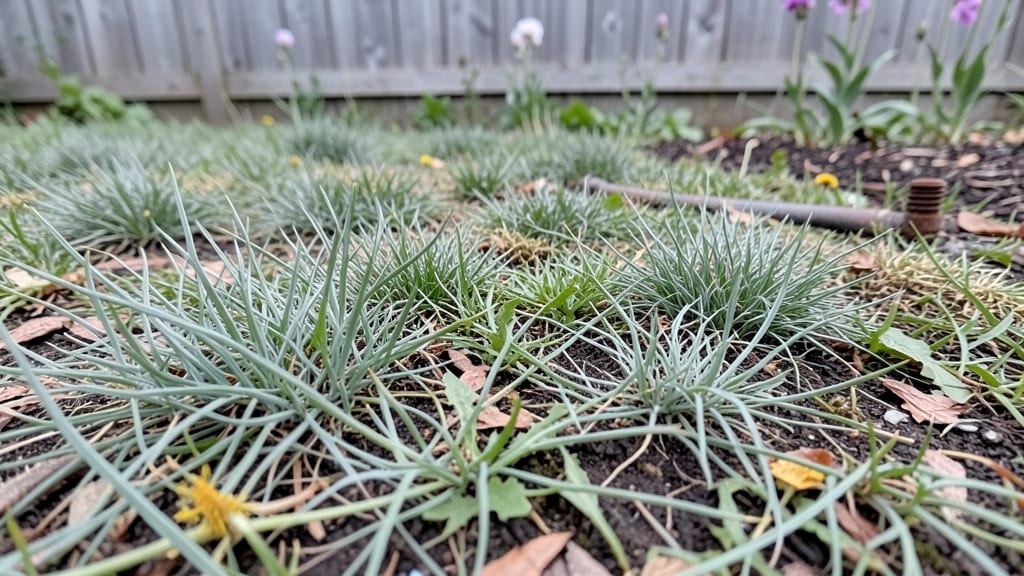
When your grass turns gray overnight, it’s not just an eyesore—it’s a cry for help from your lawn. 🌱 I’ve seen this happen after heatwaves, fungal outbreaks, and even overwatering, and the good news is most cases can be fixed with simple adjustments.
The key is figuring out why it started before diving into solutions.
Drought stress, nutrient deficiencies, or fungal diseases like brown patch are the usual culprits. I once spent a weekend scratching my head over gray patches until I realized my sprinklers weren’t reaching the back corner—turns out, uneven watering was the villain.
Testing your soil and checking moisture levels first saves time and money.
With the right fixes—whether it’s adjusting your watering schedule, applying a balanced fertilizer, or treating fungal spots—your lawn can bounce back to that rich green in 2-4 weeks. The secret is acting fast and targeting the root cause, not just masking the symptoms.
For stubborn cases, aeration or professional soil testing might be the answer. But don’t panic: even the worst gray patches can turn around with the right care. Let’s get your lawn back to its best in no time.
Root Causes Of Dull Grass
If your once-vibrant lawn now sports patches of grayish grass, don’t panic—there’s usually a logical explanation behind the color shift. Understanding the root causes helps you tackle the issue before it spreads.
Below, we break down the most common reasons your grass might be losing its lush green hue, from environmental stressors to hidden lawn care mistakes.
🌡️ Heat And Drought Stress
When temperatures rise and rainfall dwindles, grass struggles to stay hydrated, leading to a grayish or bluish tint. This isn’t just wilting—it’s a survival mechanism. Here’s why it happens:
- Water deficiency: Grass blades lose turgor pressure (the internal water pressure that keeps them stiff and green) when dehydrated. Without enough moisture, chlorophyll production slows, dulling the color.
- Root shallowing: Prolonged dry spells cause roots to retreat closer to the surface, reducing their ability to absorb water and nutrients efficiently.
- Species sensitivity: Cool-season grasses (like Kentucky bluegrass or fescue) turn gray faster in heat, while warm-season grasses (like Bermuda or Zoysia) may go dormant instead.
💡 Pro Tip: Test soil moisture by grabbing a handful—if it crumbles easily, your grass is thirsty. Water deeply early in the morning (1–1.5 inches per week) to encourage roots to grow deeper.
❄️ Winter Dormancy Or Frost Damage
Cold weather forces grass into dormancy, causing it to turn gray or brown as a protective measure. But is it reversible?
- Natural dormancy: Many grasses (especially cool-season types) slow metabolic activity in winter, conserving energy. This grayish hue is temporary and will green up with warmer temps and water.
- Frost damage: If grass blades freeze and thaw repeatedly, cell walls rupture, leading to permanent discoloration. Look for crispy or hollow-feeling blades—a sign of irreversible harm.
- Snow mold: Grayish, fuzzy patches after snowmelt? This fungal disease thrives in cold, wet conditions, smothering grass until it turns gray-white.
✨ Action Step: Rake off heavy snow buildup to prevent mold, and avoid walking on frost-covered lawns. If dormancy is the issue, wait for spring—your grass will bounce back with proper care.
🌪️ Nutrient Deficiencies Or Soil Issues
A grayish cast can signal your grass isn’t getting the right nutrients. Here’s what’s likely missing:
| Nutrient | Symptoms | Fix It |
|---|---|---|
| Nitrogen (N) | Pale gray-green or yellowish blades, slow growth | Apply a balanced fertilizer (e.g., 20-10-10) in early spring or fall. |
| Iron (Fe) | Grayish-white streaks (chlorosis), common in alkaline soils | Use an iron supplement (like iron sulfate) or lower soil pH with sulfur. |
| Potassium (K) | Weak, grayish blades that recover slowly after stress | Add a potassium-rich fertilizer or compost to improve root strength. |
| pH Imbalance | Grayish-yellow patches (soil pH >7.0) or stunted growth (pH <6.0) | Test soil pH and amend with lime (to raise pH) or sulfur (to lower pH). |
🔥 Quick Test: If your grass turns gray after rain but greens up when dry, it’s likely an iron deficiency in alkaline soil.
🐜 Pest Or Disease Pressure
Not all gray grass is harmless—some culprits are actively harming your lawn. Watch for these signs:
- Grubs or chinch bugs: These pests chew roots, causing grass to pull up easily and turn gray-brown in patches. Look for birds pecking at the lawn or yellowing patches that spread.
- Fungal diseases (e.g., brown patch, dollar spot): Grayish, circular patches with fuzzy edges or thin, water-soaked blades indicate fungal activity, often worsened by excess moisture.
- Slime mold: Grayish, slimy patches that appear after rain are harmless but unsightly—just hose them off.
🎯 Prevention: Aerate compacted soil to reduce pest habitats, and apply fungicide (like propiconazole) if diseases persist. For grubs, use beneficial nematodes or milky spore as organic options.
Now that you know the likely culprits, the next step is diagnosing which one fits your lawn. Stay tuned for our troubleshooting guide to revive your grass’s vibrant green!
Revive Your Lawn’s Vibrancy
Now that you know the culprits behind your grass turning gray—whether it’s drought, disease, pests, or poor soil—it’s time to roll up your sleeves and bring back that lush green glow! 🌱 The good news?
Most fixes are simple, cost-effective, and can be done in stages. Below, we’ve mapped out practical solutions for each cause, plus prevention tips to keep your lawn thriving long-term.
💧 Fixing Drought or Water Stress
Signs: Wilting, grayish-blue or straw-like blades, footprints lingering for hours. Why it happens: Grass craves water—when it doesn’t get enough, it goes dormant or dies back.
Step-by-Step Revival
- 🔥 Deep Watering Sessions
- Water early in the morning (4–8 AM) to reduce evaporation.
- Aim for 1–1.5 inches per week (including rain). Use a rain gauge or tuna can to measure.
- Soak the soil (not just the surface)—water until it penetrates 6 inches deep. Test with a screwdriver: if it goes in easily, you’re good.
- 👨🍳 Improve Drainage
- If water pools after rain, your lawn may have compacted soil. Aerate in early fall or spring using a core aerator ($50–$100 to rent).
- Add 1–2 inches of compost or sand (for sandy soils) to help water absorb better.
- 🌱 Choose Drought-Tolerant Grass (If Needed)
- If your lawn is permanently struggling, consider overseeding with tall fescue, Bermuda, or buffalo grass, which handle dry spells better.
💡 Pro Tip: Mulch your grass clippings with a sharp mower blade—they retain moisture and return nutrients to the soil!
🍄 Treating Fungal Diseases
Signs: Grayish mold, circular patches, slimy or spongy grass, slow recovery after rain.
Step-by-Step Fix
- 🔪 Remove Affected Areas
- Rake out dead grass and dispose of it (don’t compost—fungi spread easily).
- Avoid walking on wet grass to prevent spreading spores.
- 🌡️ Improve Airflow & Sunlight
- Thin out dense trees/shrubs shading your lawn.
- Mow higher (3–4 inches) to shade soil and prevent fungal growth.
- 🎯 Fungicide Application (Last Resort)
- Use a preventative fungicide (like propiconazole or azoxystrobin) in early spring or fall when fungi are most active.
- Organic option: Spray a mix of 1 tbsp baking soda + 1 quart water + a drop of dish soap (reapply weekly).
✨ Prevention: Water early morning (not overhead at night) and avoid heavy thatch buildup (dethatch if layer > 0.5 inches).
🐜 Battling Pests & Grubs
Signs: Grayish patches that pull up easily, mole hills, or birds pecking at the lawn.
Step-by-Step Eradication
- 🍳 Identify the Pest
- Grubs? Dig up a patch—if you see C-shaped white larvae, treat for grubs.
- Chinch bugs? Look for small black bugs on blades (common in dry heat).
- 🔥 Natural & Chemical Controls
- Grubs: Apply beneficial nematodes (microscopic worms) or grub-specific insecticide (like imidacloprid) in late summer.
- Chinch bugs: Use neem oil spray or pyrethrin-based insecticide (reapply after rain).
- 🌱 Overseed Bare Spots
- After treating, rake seeds into soil and keep moist until germination (7–14 days).
💡 Pro Tip: Dogs & grubs? If your pup digs up lawns, treat for grubs—they’re a favorite snack!
🌍 Fixing Poor Soil & Nutrient Deficiencies
Signs: Uniform grayish tint, slow growth, weeds taking over.
Step-by-Step Soil Revival
- 📊 Test Your Soil
- Get a DIY soil test kit ($10–$20) or send a sample to your local extension office (often free or low-cost).
- Check pH (ideal: 6.0–7.0) and nutrient levels (N-P-K).
- 💪 Amend the Soil
- Low nitrogen? Apply slow-release fertilizer (like 16-4-8) in early spring or fall.
- Compacted soil? Mix in compost or peat moss (2–3 inches) and aerate.
- Clay soil? Add sand or perlite to improve drainage.
- 🍎 Feed with Organic Matter
- Top-dress with compost tea or worm castings for a nutrient boost.
- Overseed with a high-quality grass seed mix (like Kentucky bluegrass + fescue blend).
🎯 Prevention: Mulch clippings and avoid heavy foot traffic to preserve soil structure.
🔄 General Lawn Care Maintenance
Even after fixing the issue, consistent care keeps grass green:
- Mow high (3–4 inches) to encourage deep roots.
- Sharpen mower blades (dull blades tear grass, inviting disease).
- Aerate & overseed every 2–3 years for a thick, resilient lawn.
- Water deeply but infrequently (encourages deep root growth).
🚀 Quick Checklist for Fast Results:
| Problem | Fix It Now | Prevent It |
|---|---|---|
| Drought | Deep water + aerate | Install a rain sensor on sprinklers |
| Fungal Disease | Rake out patches + fungicide | Improve airflow & water timing |
| Grubs/Pests | Apply nematodes or insecticide | Encourage birds & beneficial insects |
| Poor Soil | Test + amend with compost/fertilizer | Mulch clippings & overseed yearly |
With these fixes, your lawn should bounce back in 2–4 weeks—just stay consistent! 🌿 Whether it’s a quick water adjustment or a soil overhaul, small steps lead to big, green results. Which issue is plaguing your lawn? Try one fix this weekend and watch it transform!
Frequently asked questions
Why does my grass turn gray in patches but not all over?
Patchy gray grass usually points to localized stress or damage. Check for fungal infections (like brown patch) or pest activity (grubs/chinch bugs) in those areas. Uneven watering or soil compaction can also cause isolated graying. Start by testing soil moisture in affected spots and look for signs like thin blades or dead patches that pull up easily.
Will my grass turn green again after a heatwave?
Yes, but it depends on how severe the drought was. If roots are still alive (test by pulling a blade—if it snaps instead of pulls up, roots are dead), water deeply early in the morning for 10-14 days. For heat-damaged grass, consider overseeding with drought-resistant varieties like tall fescue or Bermuda grass once temperatures drop below 85°F.
How do I tell if gray grass is from drought or disease?
Drought-stressed grass feels crispy or hollow when pulled, while diseased grass often has fuzzy edges or slimy textures. Check for circular patterns (fungal) or birds digging (grubs). A simple test: water the patch—if it greens up within 24 hours, it’s likely drought; if not, disease or pests are probable.
Can I use household items to fix gray grass?
For nutrient deficiencies, mix 1 cup coffee grounds (for nitrogen) into soil. For fungal issues, spray a solution of 1 tbsp baking soda + 1 quart water + dish soap weekly. To improve drainage, spread 1-2 inches of compost and lightly rake in. Just avoid vinegar—it burns grass!
When should I call a lawn care professional?
If gray patches spread rapidly, resist all treatments, or appear mushy/slimy, consult a pro. Also seek help if your soil test shows extreme pH imbalance (below 5.5 or above 8.0) or if 50%+ of your lawn is affected. Professionals can diagnose hidden issues like soil-borne diseases or deep compaction that DIY fixes can’t solve.