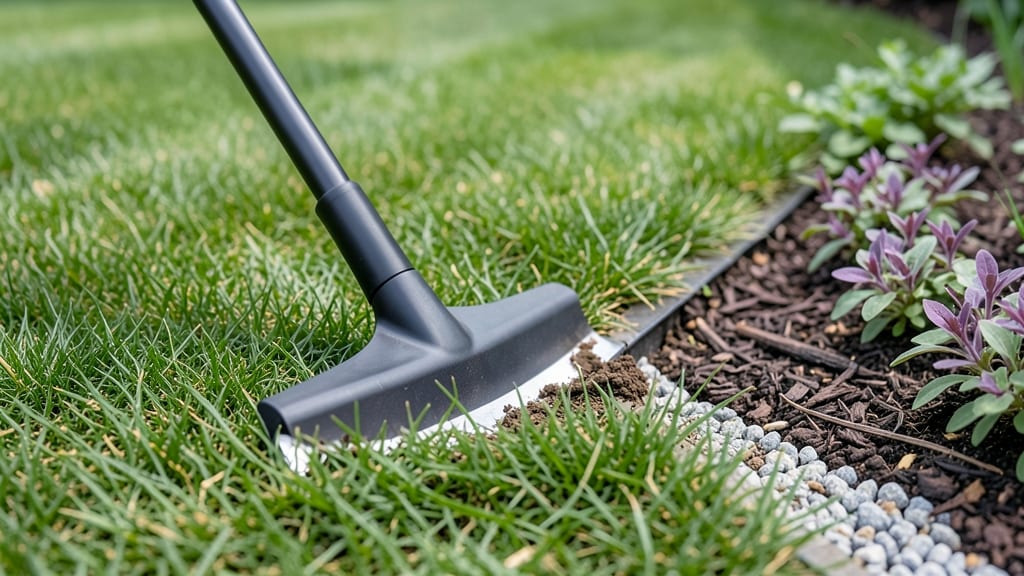
Buying guide: how to choose the right half moon lawn edger
1. Material and Durability 💡
A half moon lawn edger’s material determines its lifespan, cutting precision, and ease of use. Aluminum is the gold standard for most users—lightweight yet durable, it resists bending and delivers sharp cuts through tough soil or grass roots. Steel options, often coated for rust resistance, are budget-friendly but may dull faster with heavy use. Titanium-coated heads offer razor-sharp edges and longevity, ideal for professionals, while cast iron provides unmatched durability for traditionalists.
Surprisingly, plastic edgers (common in budget models) can outperform steel in soft soil but lack the strength for rocky terrain. I recommend choosing aluminum for a balance of performance and durability, unless you prioritize portability or have specific material preferences.
2. Ergonomics and Comfort ⚡
Even the best edger feels like a chore if it’s uncomfortable. Look for ergonomic handles with shock absorption to reduce wrist strain during long sessions. Poly handles (common in mid-range models) are lightweight and grip-friendly, while wooden or cushioned grips (found in premium tools) offer superior comfort for extended use.
Counter-intuitively, heavier edgers (like cast iron) often feel more stable and require less effort for deep cuts, while lightweight plastic models may tire your hands faster. Test the weight before buying—if it feels awkward in-store, it’ll likely cause fatigue outdoors.
For most users, a poly handle with shock absorption strikes the perfect balance between comfort and control.
3. Adjustability ✅
An adjustable depth guide is a game-changer for consistent, professional-looking edges. This feature lets you set the cutting depth for variable terrain—whether you’re edging soft mulch or compacted soil. Many mid-range and premium models include this, but budget options often lack it, forcing you to eyeball the depth.
Pro tip: If you’re working with sloped lawns or uneven garden beds, prioritize an edger with adjustable depth settings. Even a slight variation in depth can make your borders look uneven.
For occasional users, a fixed-depth edger might suffice, but if you’re serious about landscaping, adjustability is worth the investment.
4. Storage and Portability 🔍
Don’t overlook storage and portability—especially if you’re short on space or travel with your tools. Foldable designs (common in budget and mid-range models) collapse for easy storage in sheds, garages, or even car trunks. Compact edgers are ideal for small gardens or tight spaces, while larger, heavy-duty models may require wall mounts or dedicated storage.
If you’re frequently moving your edger between locations (e.g., rentals or seasonal gardens), a foldable or lightweight model saves hassle. For permanent setups, prioritize durability over portability. My advice?
If storage is a concern, opt for a foldable steel or aluminum edger—you’ll thank yourself later when you can tuck it away effortlessly.
5. Terrain Adaptability 🛡️
Not all lawns are created equal, and your edger should match your yard’s challenges. Soft, loose soil is easy for most edgers, but compacted clay or rocky terrain demands a sturdier tool. Aluminum and titanium heads excel in tough conditions, while plastic or basic steel may struggle.
If your garden has uneven terrain, look for an edger with a depth-adjustable foot or a wide base for stability. For hilly or sloped yards, consider a heavy-duty model—it’ll glide more smoothly than a lightweight one.
Don’t assume your edger will handle everything; test it on a small patch first if possible. For most homeowners, a mid-range aluminum edger with adjustability covers 90% of common scenarios.
Frequently asked questions
Q: What is a half moon lawn edger, and how does it differ from other edging tools?
A half moon lawn edger is a handheld tool designed to create clean, straight edges around lawns, garden beds, or pathways. Unlike string trimmers or edging shears, it uses a sharp, half-moon-shaped blade to cut through grass and soil with precision. This tool is ideal for defining borders without damaging nearby plants. Unlike plastic or rubber edging tools, which only create a visual barrier, a half moon edger physically cuts into the ground, creating a permanent, professional-looking edge. It’s perfect for maintaining sharp lines around flower beds, sidewalks, or driveways.
Q: Can I use a half moon lawn edger on hard or rocky soil?
Most half moon lawn edgers work best on soft to moderately firm soil, but heavier-duty models with aluminum or titanium heads can handle rocky or compacted terrain. If your soil is particularly hard, look for an edger with a wide, sturdy blade and an adjustable depth guide to ensure clean cuts. For extremely rocky areas, a heavy-duty cast iron or aluminum edger may be necessary. Always check the manufacturer’s recommendations—some budget models with plastic or thin steel blades may struggle with tough conditions.
Q: How do I maintain my half moon lawn edger for longevity?
To keep your half moon lawn edger in top condition, start by cleaning the blade after each use to remove dirt and debris. Store it in a dry place to prevent rust, especially if it’s made of steel or aluminum. Sharpen the blade periodically using a file or grinder to maintain its cutting precision. For rust-resistant models, occasional applications of lubricant can help prolong its life. Avoid dropping the edger or using it on concrete, as this can chip or dull the blade. With proper care, a high-quality edger can last for years, even with frequent use.
Q: What’s the difference between a budget-friendly and a premium half moon edger?
A budget-friendly half moon edger typically features a plastic or basic steel blade, which is lightweight and affordable but may lack durability for heavy use. These models are great for small gardens or occasional edging. On the other hand, a premium edger—often made from aluminum, titanium, or cast iron—offers superior durability, sharper cuts, and ergonomic handles designed for comfort. Premium models also tend to include features like adjustable depth guides and rust-resistant coatings. If you’re serious about landscaping or have a large yard, investing in a mid-range or premium tool will save you time and effort in the long run.
Q: How do I choose the right size or type of half moon lawn edger for my needs?
The right size depends on your yard’s terrain and the type of edging you’re doing. For small gardens or tight spaces, a compact, lightweight edger is ideal. Larger yards benefit from a heavy-duty model with a wider blade for faster work. If you have uneven terrain, look for an edger with an adjustable depth guide to ensure consistent cuts. For beginners, a foldable or lightweight design makes storage and handling easier. Consider the material—aluminum is versatile, steel is budget-friendly, and titanium or cast iron are best for professionals or tough conditions.
Q: Is a half moon lawn edger worth the investment compared to other edging methods?
A half moon lawn edger** delivers professional-grade results with minimal effort, making it a worthwhile investment for anyone serious about landscaping. Unlike string trimmers or manual edging shears, which can leave uneven or messy edges, this tool creates sharp, clean lines instantly. For occasional users, a budget-friendly model is a cost-effective solution, while frequent users or professionals will appreciate the durability and precision of a mid-range or premium edger. Over time, the time and effort saved will far outweigh the initial cost.
★★★★★4.7(2 reviews)