
Propagation
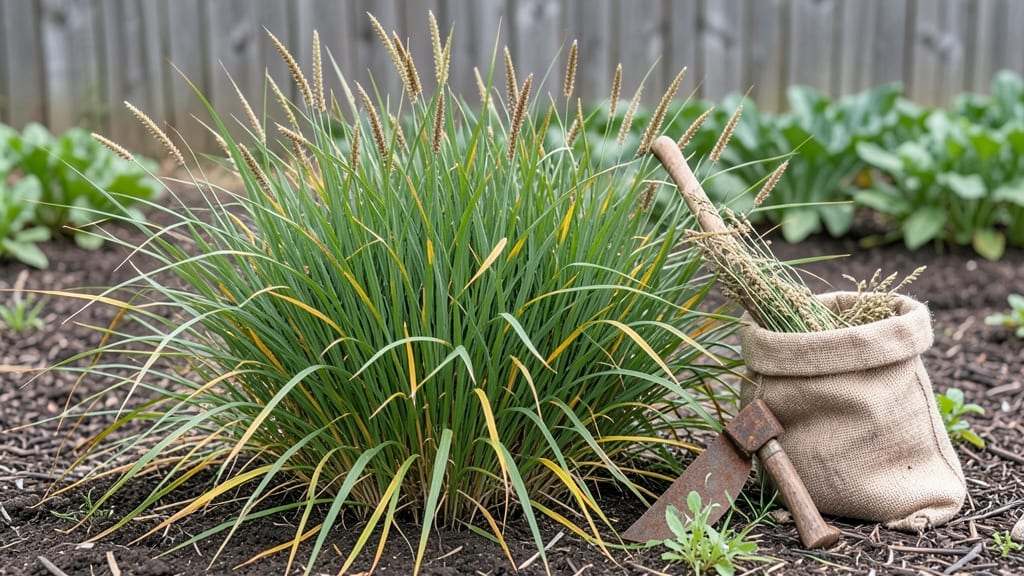
The perfect grass seed harvest starts when 50-70% of seed heads turn golden-brown and begin cracking open. 🌾 I learned the hard way that waiting too long means seeds scatter, while harvesting too early gives you immature, low-germination seed—neither is ideal for a quality yield.
The timing varies by grass type, but cool-season grasses like Kentucky bluegrass are ready in late summer, while warm-season types like Bermuda peak in early fall.
You’ll need sharp pruning shears or a sickle, sturdy seed collection bags, and a sunny drying area. The tools are simple, but the technique matters—cutting too high leaves stubble that won’t produce, while cutting too low damages the plant’s growth point.
I’ve found that working on a dry morning after dew has evaporated makes the process cleaner and more efficient, reducing waste right from the start.
Once collected, spread the seed heads in a thin layer to dry for 3-5 days, stirring occasionally to prevent mold. The goal is to separate seeds from chaff while preserving viability—think of it like turning a pile of fluff into a concentrated goldmine of planting potential.
Proper drying ensures seeds stay fresh for storage, whether you’re saving them for next season or selling them to fellow gardeners.
Different grasses have different quirks—cool-season types like fescue need gentle handling to avoid shattering, while warm-season grasses like zoysia can be more forgiving. The key is patience: rush the process, and you’ll end up with a mix of mature and immature seeds.
But get it right, and you’ll have a reliable source of high-quality seed that outperforms anything you can buy in bags.
📚 In This Guide
- What you need
- Instructions
- Tips and common mistakes
- Wrapping up and next steps
What you need
- ● Grass seed harvesting tool: Hand-held grass seed stripper (for small plots) – 1-2 units
- ● Mechanical seed harvester (for large fields) – 1 unit (rent or purchase)
- ● Protective gear: Gloves (heavy-duty, cut-resistant) – 1 pair
- ● Long sleeves/pants (to avoid scratches from grass blades)
- ● Safety goggles (if using machinery) – 1 pair
- ● Containers for collection: Large burlap sacks or mesh bags (50–100 lb capacity) – 5–10 units
- ● Plastic tarps or buckets (for temporary storage) – 2–4 units
- ● Cleaning/sorting tools: Fine-mesh screen or sieve (¼-inch mesh) – 1 unit
- ○ Fan or seed blower (for debris removal) – 1 unit (optional but helpful)
- ● Prerequisites: Mature grass seed heads (fully browned and dry) – Check for peak maturity!
- ● Dry, windless weather (humidity Critical for seed viability
- ● Clear workspace (remove debris/rocks before harvesting)
- ● Portable seed cleaner (for bulk processing) – 1 unit
- ● Wheelbarrow or dolly (for heavy sacks) – 1 unit
- ● Humidity monitor (to track seed drying progress)
- ● Labeling tags (to track seed varieties and harvest dates)
Step-by-Step instructions for harvesting grass seed at peak maturity
Here's how I time harvests for the highest seed yield—no guesswork, just perfect results.
🌱 Step 1: Identify the Right Grass Seed Heads
Look for 50-70% of the seed heads to have turned golden-brown and begun drying on the plant. This is your cue that seeds are mature but haven’t yet scattered. I run my fingers through the seed clusters—if they crumble easily, they’re ready. Avoid harvesting when seed heads are still green or when they’re already shattering and dropping seeds onto the ground.
Check the grass variety’s specific maturity timeline—cool-season grasses like Kentucky bluegrass mature in 60-70 days after heading, while warm-season grasses like Bermuda grass take 75-90 days. The right timing ensures plump, viable seeds that’ll germinate well later.
☀️ Step 2: Harvest on a Dry, Calm Day
Choose a day with no rain forecast for 48 hours and light winds. Moisture makes seeds stick to the heads and can cause mold during drying. I harvest in the morning when dew has evaporated but before midday heat, which can stress the plants. If you must harvest later, avoid cutting when the grass is wet—this reduces seed quality and increases drying time.
Use a sharp sickle, scythe, or string trimmer set to a low height to cut the seed heads just above the base. Leave a 2-inch stubble to protect the crown and encourage regrowth. Work systematically, harvesting in small sections to avoid missing any mature seed heads.
🪴 Step 3: Dry and Clean the Seed Heads
Spread the harvested seed heads in a single layer on a clean, dry tarp or screen in a shaded, well-ventilated area. Avoid direct sunlight, which can scorch the seeds and reduce viability. Stir the heads gently every 2-3 hours to ensure even drying. Proper drying takes 5-7 days, depending on humidity—you’ll know they’re ready when the seed heads rattle when shaken and the seeds separate easily.
Once dry, remove the seeds by hand or with a seed thresher. For small batches, I rub the seed heads between my palms or use a clean cloth to separate the seeds. For larger harvests, a seed thresher speeds up the process. Sift the seeds through a fine mesh screen to remove chaff, stems, and debris, leaving only clean, viable seeds.
⏰ Step 4: Store Seeds Properly for Long-Term Viability
Store the cleaned seeds in a paper bag or breathable cloth sack (plastic traps moisture and causes mold). Label each bag with the grass variety and harvest date. Keep them in a cool, dark, dry place—a basement or root cellar works best. Under ideal conditions, grass seeds stay viable for 1-3 years, though germination rates drop after the first year.
Test a small sample of seeds before storing the entire batch. Sprinkle a few on damp paper towels and check for sprouting in 7-14 days. If germination is poor, the seeds may not have dried properly or may be old. Adjust storage conditions or harvest fresh seeds next season for better results.
Tips & tricks for perfect grass seed harvesting
Timing and technique make all the difference when harvesting grass seed—here's how to avoid common mistakes and maximize your yield.
Timing is Everything: The 50-70% golden-brown rule in Step 1 is your golden ticket, but don't rush it. I've learned the hard way that harvesting too early means immature seeds that won't germinate, while waiting too long means seeds scatter before you can collect them. For cool-season grasses, mark your calendar 60-70 days after heading—warm-season grasses need that extra 75-90 days. Trust me, this patience pays off with plump, viable seeds.
Weather Watch: That 48-hour dry forecast window in Step 2 is critical for preventing mold during drying. I always check the weather app twice—once when planning and again the morning of harvest. If rain is forecast within 48 hours, delay your harvest. Morning harvests work best because dew has evaporated but the heat of midday hasn't stressed the plants yet. Between us, harvesting wet seed heads is a recipe for disappointment—seeds stick together and mold becomes a real risk.
Drying Strategy: The 2-3 hour stirring schedule in Step 3 might seem tedious, but it's worth it. I set a timer on my phone to remind me—uneven drying leads to some seeds being over-dried while others stay too moist. For the 5-7 day drying period, I keep a small fan blowing gently over the seed heads to help circulate air without creating drafts. The rattle test is foolproof: when seed heads make that satisfying hollow sound when shaken, you're golden.
Storage Wisdom: That paper bag recommendation in Step 4 isn't just about breathability—it's about preventing moisture buildup that causes mold. I always double-check my storage spot: cool (around 40°F), dark, and dry. For long-term storage, I add a small silica gel packet to each bag as an extra moisture absorber. And here's a pro move: I test germination rates on a small sample before committing to full storage—if less than 80% sprout after 14 days, I know something went wrong during drying or storage.
Pro Tips for Harvesting Grass Seed
- Timing and technique make all the difference when harvesting grass seed—here's how to avoid common mistakes and maximize your yield.
- Timing is Everything: The 50-70% golden-brown rule in Step 1 is your golden ticket, but don't rush it.
- Weather Watch: That 48-hour dry forecast window in Step 2 is critical for preventing mold during drying.
Frequently asked questions
Got questions about harvesting grass seed? You’re not alone! Here are some of the most common concerns—plus quick, actionable answers to help you nail the process.
When is the best time to harvest grass seed?
The ideal harvest window is when 50-70% of the seedheads have turned golden-brown and are starting to dry out but haven’t yet shattered. For most cool-season grasses (like fescue or bluegrass), aim for late summer to early fall. Warm-season grasses (like bermudagrass) peak in late summer to early autumn—but check your specific variety’s maturity timeline!
How do I know if my grass seed is ready to harvest?
Test for maturity by gently squeezing a seedhead—if the seeds pop out easily and feel dry to the touch, it’s harvest-ready. Another trick: cut a few stems and hang them upside-down in a paper bag for 24 hours. If seeds don’t fall out, they’re not dry enough. Moisture content should be below 10% for optimal storage.
What’s the easiest way to harvest grass seed without losing much?
Use a commercial grass seed harvester (or a DIY reel mower with a collection bag) to avoid seed loss. For small patches, try a scythe or sickle followed by hand-threshing on a tarp. Work in dry, calm weather—wind and rain can scatter seeds and ruin your yield. Always harvest early in the morning when dew is present to reduce shattering.
Can I harvest grass seed by hand, or do I need machinery?
Hand-harvesting works for small areas (under 1 acre) but is labor-intensive. Use gloves, pruners, or even scissors to snip seedheads, then spread them on a tarp to dry. For larger fields, a commercial seed harvester (or rented equipment) is far more efficient. If you’re unsure, start with a test strip to gauge effort vs. yield before committing to full-scale harvesting.
What should I do if my grass seed won’t dry properly?
If seeds stay damp, spread them in a single layer on a well-ventilated surface (like a screen or mesh) in direct sunlight. Avoid plastic tarps—trapped moisture causes mold. If humidity is high, use a dehumidifier or fan to speed drying. Never store wet seeds—they’ll spoil quickly. Pro tip: Harvest on a cloudless day to maximize natural drying power!
Wrapping up and next steps
Harvesting grass seed at the right moment ensures a bountiful yield and healthier lawns or pastures. By recognizing the signs of peak maturity—seedheads turning golden, easy seed release, and moisture levels around 30-40%—you’ll maximize efficiency and quality.
Whether you’re a seasoned grower or just starting, patience and precision pay off big time!
Ready to reap the rewards? Grab your tools, mark your calendar, and start planning your harvest—your future lawn (or farm!) will thank you. 🌾 Happy harvesting!