
Lawn
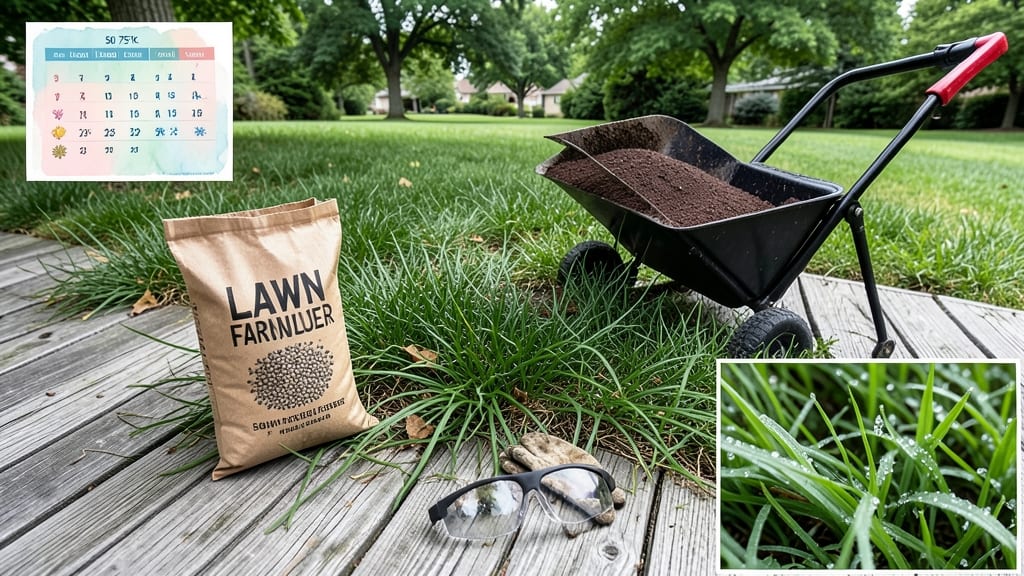
Fertilizing your lawn in Connecticut at the right time is the secret to a thick, green carpet that stands up to the state’s shifting seasons.
Struggling to keep your Connecticut lawn lush and green year-round? Timing your lawn fertilizer applications correctly can make the difference between a vibrant yard and one that struggles to thrive—especially in CT’s unpredictable climate.
Most lawns in zone 6a need two key feedings: once in early spring and again in late fall, when soil temperatures are ideal for nutrient absorption. But skip the summer heat, and you’ll avoid burning your grass—or worse, wasting money on fertilizer that won’t stick around.
Below, I break down the exact months to fertilize, how to adjust for drought or heavy rain, and which grass types (cool-season vs. warm-season) need special attention. No guesswork—just science-backed timing for a lawn that stays green all season.
Optimal fertilization schedule for CT lawns: spring vs. fall timing explained
If you've ever wondered when to fertilize lawn in CT, timing is everything—especially in Connecticut's USDA Zone 6a climate. The two most critical fertilization windows are early spring and late fall, each serving a unique purpose for your lawn's health.
In spring, we focus on revitalizing growth after winter dormancy, while fall fertilization strengthens roots for winter survival. Connecticut's unpredictable frost dates (typically April 15 and October 15) make these windows even more crucial.
For cool-season grasses like Kentucky Bluegrass and Fescue—the most common in CT—soil temperatures between 55°F and 65°F are ideal for fertilization. Warmer temperatures can cause nutrient burn, while colder soils won’t absorb nutrients effectively.
Understanding these temperature thresholds helps you avoid wasting fertilizer or damaging your lawn. Let’s break down the exact timing and conditions for each season to maximize your lawn’s potential.
🌱 Key Insight: Connecticut’s spring fertilization should happen after the last frost but before summer heat sets in (typically late April to early June). Fall applications, however, should occur 6-8 weeks before the first frost (usually late August to early October) to allow roots to absorb nutrients before winter dormancy.
Here’s how Connecticut’s climate zones and seasonal shifts influence your fertilization schedule:
| Fertilization Window | Best Months in CT | Soil Temperature Range | Primary Goal | Grass Type Benefit |
|---|---|---|---|---|
| Early Spring | Late April - Early June | 55°F - 65°F | Revitalize growth, green-up | Cool-season grasses (Kentucky Bluegrass, Fescue) |
| Late Spring | Late May - Early July | 65°F - 75°F | Strengthen root system | All grasses (avoid high nitrogen) |
| Early Fall | Late August - Early October | 60°F - 70°F | Root development, winter prep | Cool-season grasses (critical for survival) |
| Winter | November - March | Below 50°F | Dormancy period (no fertilization) | All grasses (avoid nutrient burn) |
The early spring fertilization (late April to early June) is your lawn’s first major feeding of the year. This is when cool-season grasses wake up from dormancy and need a high-nitrogen boost to promote leafy green growth.
In Connecticut, this aligns with soil temperatures rising above 55°F, signaling it’s safe to apply fertilizer without risking nutrient burn. Use a slow-release fertilizer with a 24-0-6 NPK ratio to encourage steady growth without overwhelming your grass.
Timing is critical because applying fertilizer too early (before soil warms) can lead to wasted nutrients, while applying too late (after summer heat) may cause lawn burn. Aim for early to mid-May for the best results, especially if you’ve had a mild winter with early thaw.
Always water your lawn thoroughly after applying fertilizer to help nutrients penetrate the soil and reduce the risk of chemical burn.
Fall fertilization in Connecticut is just as important as spring, if not more so. The late summer to early fall window (late August to early October) focuses on root development rather than top growth. This is when cool-season grasses begin storing nutrients for winter survival.
A light application of fertilizer with a balanced NPK ratio (e.g., 10-10-10) applied 6-8 weeks before the first frost ensures your lawn enters dormancy stronger and healthier.
One common mistake in CT is fertilizing too late in fall, which can stimulate new growth that won’t harden off before winter. This weak growth is more susceptible to disease and frost damage. To avoid this, monitor your local frost forecast and adjust your timing accordingly.
If you’re unsure, late September is a safe bet for most of Connecticut’s Zone 6a regions. Always follow up with a light watering to help the lawn absorb the nutrients.
For warm-season grasses like Bermuda or Zoysia (less common in CT but still present), the fertilization schedule shifts slightly. These grasses thrive in summer heat and should be fertilized in late spring to early summer, with a high-potassium fertilizer to promote heat tolerance.
However, since CT’s climate favors cool-season grasses, this section focuses on the majority of lawns in the state. Always check your grass type before choosing a fertilization plan.
Pro tip: If your lawn
How to adjust fertilizer timing based on CT Weather and lawn type
Connecticut’s variable climate—from early spring frosts to hot, dry summers—demands flexibility in your lawn care routine. Cool-season grasses like Kentucky bluegrass and fescue dominate CT lawns, while warm-season grasses like Bermuda or Zoysia are less common but still require adjustments.
Understanding these differences is key to avoiding over-fertilization or missed growth opportunities.
Your lawn’s nutrient needs shift with the seasons. In spring, focus on high-nitrogen feeds to jumpstart growth after winter dormancy, while summer droughts may require water-soluble fertilizers for quick uptake.
Fall applications should prioritize root strengthening with lower nitrogen and higher potassium. Ignoring these shifts can lead to lawn burn or weak, patchy growth.
⚠️ callout-warning ⚠️
Don’t fertilize when frost is forecasted within 48 hours—nutrients won’t absorb properly. Skip applications during prolonged droughts (under 1 inch of rain weekly) to prevent lawn burn. For cool-season grasses, avoid summer fertilizing—heat stress reduces nutrient uptake by 50%.
First, identify your grass type—CT’s cool-season grasses thrive in spring and fall, while warm-season varieties peak in late summer. Test your soil’s pH and nutrient levels (ideal range: 6.0–7.0) to determine if you need micronutrient supplements alongside fertilizer.
For example, clay-heavy CT soils often require gypsum before fertilizing to improve drainage.
Watch for 3 key signs your lawn needs fertilizer: pale green or yellowing blades, slow recovery after mowing, or increased weed pressure. These indicate nitrogen deficiency. However, dark green but spongy grass signals over-fertilization—reduce applications immediately and water deeply to flush excess nutrients.
In drought-prone areas like western CT, opt for slow-release fertilizers to sustain growth without stressing roots.
Adjust your schedule based on CT’s microclimates. Coastal areas (e.g., New London) have milder winters, allowing late fall fertilizing into November, while inland regions (e.g., Hartford) should stop by mid-October.
Use a soil thermometer—fertilize when soil temps are 55°F–75°F for cool-season grasses or 75°F–85°F for warm-season types. Timing is everything!
For high-traffic lawns, split fertilizer applications into 2 lighter doses 4–6 weeks apart to avoid nutrient runoff and root damage. Pair each feeding with 1 inch of water (applied over 24 hours) to activate nutrients.
In shady CT yards, reduce nitrogen by 25%—these areas grow slower and are more prone to thatch buildup from excess fertilizer.