
Lawn
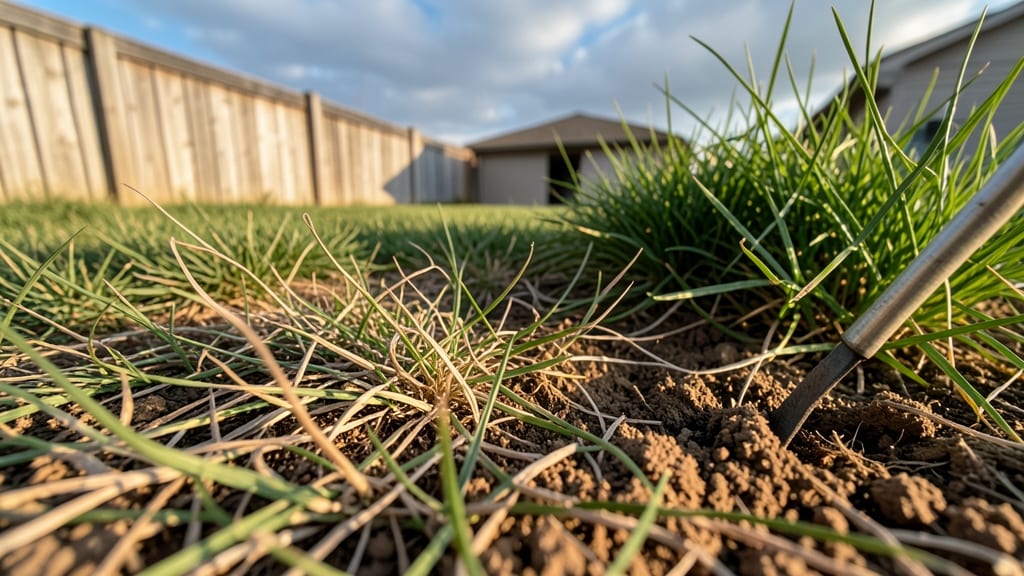
Struggling to identify your lawn type? Knowing whether you have cool-season grass, warm-season grass, or something else is key to proper care. These seven practical methods—from visual checks to soil tests—will help you determine your grass type with confidence.
Grass Blade Width and Texture

Ever wondered why your lawn feels like a mystery? The answer might be hiding in plain sight—right under your feet. Simply examining your grass blade width and texture can instantly reveal whether you have fine fescue, Kentucky bluegrass, Bermuda, or St. Augustine. This simple visual trick saves time and guesswork.
Start by plucking a few blades and comparing their widths: narrow blades (under 1/8 inch) typically belong to cool-season grasses like fine fescue or Kentucky bluegrass, while broad blades (1/4 inch or wider) suggest warm-season types such as Bermuda or St. Augustine. Texture also matters—smooth, flat blades often indicate bluegrass, while rough or rolled edges point to Bermuda. This quick check helps you tailor mowing heights and care routines.
This method is perfect for beginners or anyone unsure about their lawn’s identity. No digging or testing required—just a closer look at what’s already growing. 🌱
Seed Head and Flowering Patterns
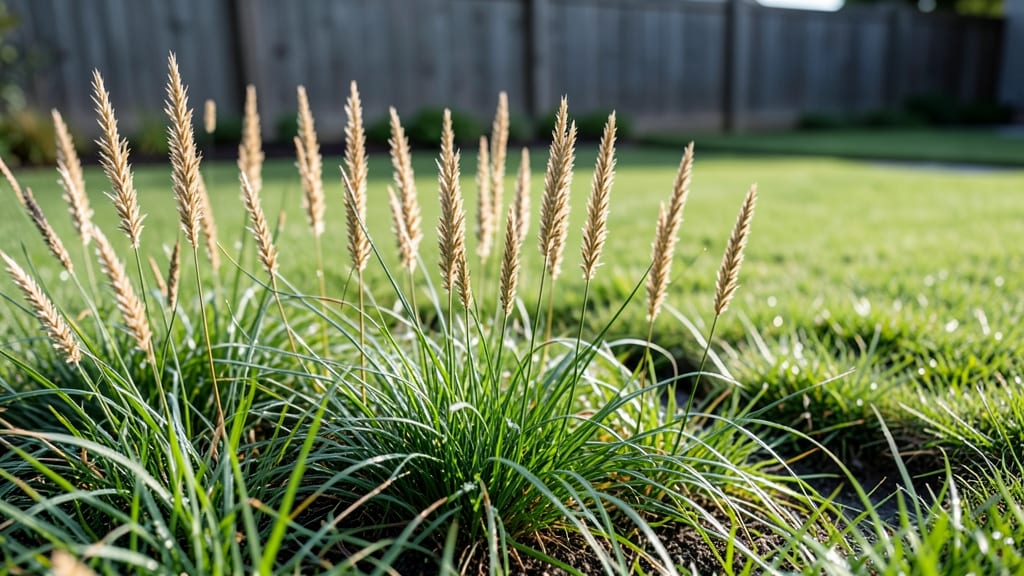
Ever noticed your lawn sprouting tall, spiky seed heads in spring while your neighbor’s stays neatly trimmed? Those seed heads are a dead giveaway about your grass type—and they’re easier to spot than you think.
Cool-season grasses like ryegrass and tall fescue produce noticeable seed heads in early spring, often turning brown as they mature. In contrast, warm-season grasses such as Zoysia or Bermuda rarely flower, keeping a clean, dense look year-round. This seasonal behavior is your first clue: if you see seed heads, you’re likely dealing with a cool-season variety.
This trick is especially useful for new homeowners or gardeners in transition zones where both types grow. Just observe your lawn in late spring—no digging required! 🌱
Root System Depth and Spread
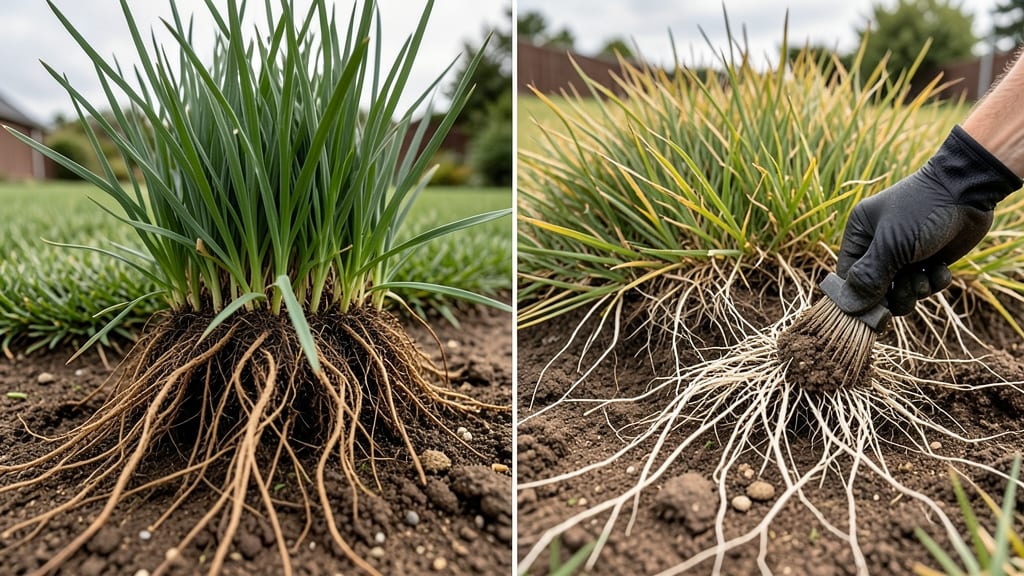
Ever wondered why your lawn behaves differently from your neighbor’s? The answer might be hiding just below the surface—literally. A simple root system analysis reveals whether your grass is the deep-rooted Kentucky bluegrass or the shallow-spreading Bermuda, two of the most common lawn types with opposite care needs.
Grab a trowel and dig a 2-inch square of soil about 4 inches deep. If you see dense, fibrous roots reaching deep (3–6 inches), you’ve got cool-season grass like Kentucky bluegrass, which handles drought better than its shallow-rooted cousins. But if roots are sprawling horizontally (under 2 inches deep), you’re dealing with warm-season grass like Bermuda, which recovers faster after mowing but needs more frequent watering.
This test is perfect for homeowners in transition zones or those with patchy lawns—it’s the most reliable way to confirm your grass type without guesswork. Plus, knowing your roots helps you adjust watering and fertilization for a healthier lawn. 🌱
Soil pH and Nutrient Preferences

Ever wonder why your lawn thrives in spring but struggles in summer—or vice versa? The answer might be hiding in your soil pH. Cool-season grasses like Kentucky bluegrass and fescue crave slightly acidic soil (pH 6.0–7.0), while warm-season varieties such as Bermuda and Zoysia prefer neutral to alkaline (pH 6.5–7.5). A simple at-home test kit can reveal whether your soil matches your grass’s needs.
Start by collecting soil samples from different areas of your lawn, mixing them in a clean container, and using a pH test kit (available at garden centers for under $10). If your results fall outside the ideal range, amendments like sulfur (to lower pH) or lime (to raise it) can help. Adjusting your soil’s chemistry ensures your grass gets the nutrients it craves—no more guessing games about why your lawn looks stressed.
This method is especially helpful for homeowners in transition zones (like the Midwest) where both cool- and warm-season grasses grow. With the right pH, you’ll unlock your lawn’s full potential—no matter the season. 💚
Growth Habits in Different Seasons
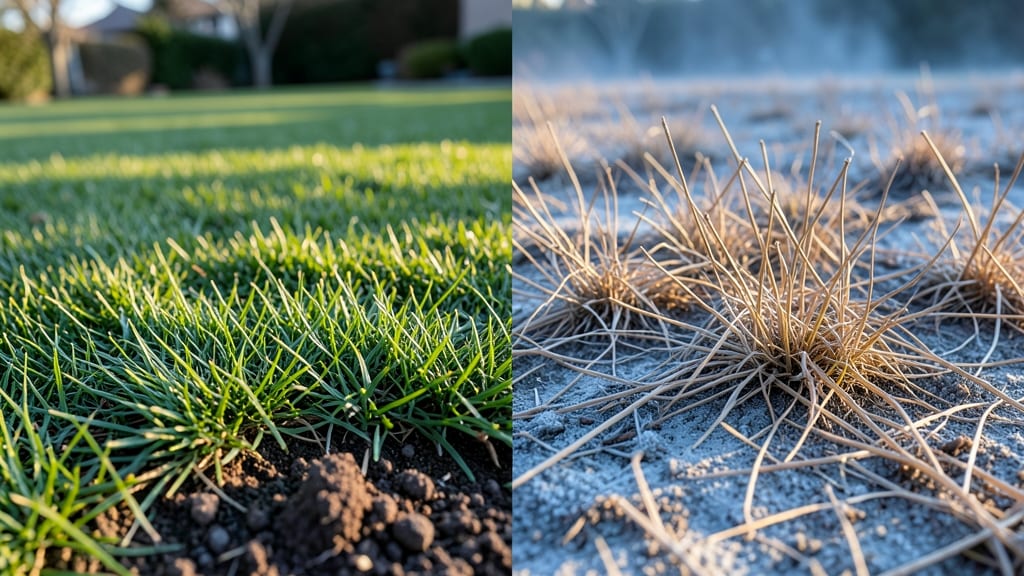
Ever notice how some lawns stay vibrant all year while others fade to brown by winter? This simple seasonal observation can reveal your grass type faster than any test kit. Warm-season grasses like Bermuda and Zoysia stay green through summer heat and often turn brown in winter, while cool-season grasses like fescue or Kentucky bluegrass may brown in summer but green up in spring.
Track your lawn’s growth for just three months—note when it greens up in spring and when it goes dormant. Warm-season grasses typically green up in late spring and stay active until frost, while cool-season grasses wake up early and may struggle in summer heat. This seasonal pattern is a dead giveaway for identifying your grass type without digging or testing.
This method is perfect for homeowners in transitional climates or those with mixed grass types. By understanding your lawn’s seasonal habits, you’ll know exactly when to fertilize, mow, or water for peak performance. 🌿
Leaf Arrangement and Color Variations

Ever noticed how some lawns have that blue-green tinge while others lean yellow-green? These subtle color clues can reveal your grass type faster than any soil test. The trick lies in pairing leaf color with how the blades grow—whether they bunch up or lie flat.
Start by examining a small patch under bright daylight. Kentucky bluegrass typically shows a blue-green hue with blades that spread outward in a fan-like arrangement. Meanwhile, Zoysia grassyellow-green with a more upright, bunched growth habit. For precise care, note whether your grass has flat blades (common in Bermuda) or rounded blades (seen in fescue).
This method is perfect for homeowners who want to avoid digging or lab tests. With just a magnifying glass and a few minutes, you’ll pinpoint your grass type and tailor your mowing, watering, and fertilizing routines for optimal results. 💚
Professional Grass Identification Kits

When visual checks and soil tests leave you guessing, professional grass identification kits deliver the definitive answer you need. These kits use DNA analysis to pinpoint your grass type with 100% accuracy, making them ideal for homeowners dealing with mixed grass varieties or stubborn identification puzzles.
Most kits involve sending a small grass sample to a lab, where experts analyze its genetic makeup. Results typically arrive within 1-2 weeks and include detailed reports on species, growth habits, and care recommendations. While the cost ($30–$60) is higher than DIY methods, the precision ensures you tailor fertilization, mowing, and pest control perfectly to your lawn's needs.
This option is perfect for serious gardeners or those with complex lawns who want to avoid trial-and-error care. No more guesswork—just science-backed solutions for a thriving lawn. 💡