
Watering
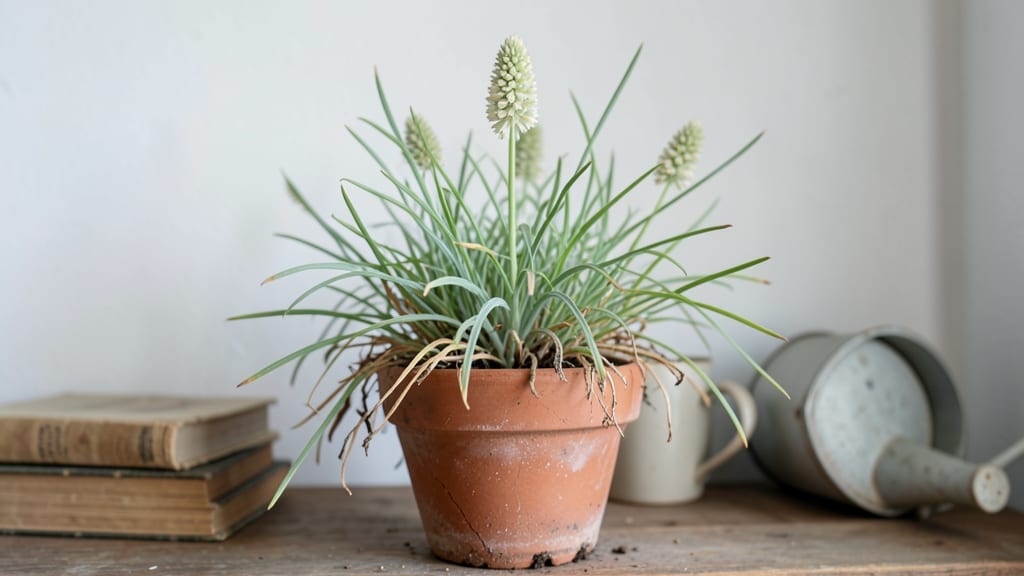
To water cat grass properly, aim for every 2–3 days or when the top inch of soil feels dry, ensuring the soil stays lightly moist but never soggy. Overwatering risks root rot, while too little water stunts growth—always check drainage and adjust based on your home's humidity and container size.
Cat grass thrives on a delicate moisture balance because its roots need oxygen to breathe—too much water suffocates them, while too little causes dehydration and weakens the plant. 🌱 The ideal soil should feel like a damp sponge, not a swamp, and using pots with drainage holes prevents waterlogging.
I’ve found that humidity plays a huge role: in dry climates, you might need daily checks, while humid rooms can stretch watering to every 4–5 days.
Watch for visual cues like yellowing leaves (overwatering) or crispy tips (underwatering) to fine-tune your schedule. A moisture meter or even your finger can help gauge when it’s time to hydrate—just avoid letting the soil dry out completely, as cat grass recovers poorly from severe drought.
💡 In This Article
- Cat Grass Watering Science: Root Health and Growth Factors
- Adjusting Your Cat Grass Watering Routine by Season and Climate
Cat grass watering science: root health and growth factors
Here's what's actually happening in your cat grass roots when you water: The plant's fibrous root system thrives in a specific moisture range because it relies on oxygen for cellular respiration.
When soil stays too wet, oxygen levels drop below 10%—a critical threshold where roots suffocate, leading to anaerobic conditions that produce toxic ethanol and hydrogen sulfide. This is why soggy soil triggers root rot within 48-72 hours, turning the roots black and mushy.
On the flip side, dehydration causes roots to curl inward, reducing their surface area for nutrient absorption by up to 60%. 🌱
The optimal soil pH for cat grass absorption sits between 6.0-7.0, where nutrients like nitrogen, phosphorus, and potassium become most available. Moisture helps dissolve these minerals, but the soil's texture matters too—sandy soils drain too quickly, while clay holds water too long.
I've found that a 50/50 mix of potting soil and perlite creates ideal porosity, allowing water to penetrate while maintaining 20-30% air space for roots.
Humidity levels also alter evaporation rates dramatically: in 30% humidity, soil dries 40% faster than in 70% humidity, which is why your watering schedule needs seasonal adjustments.
Drainage holes serve as your first line of defense against fungal growth because they prevent water from pooling at the bottom of the pot. Without them, stagnant water creates the perfect breeding ground for Pythium and Phytophthora fungi, which can kill cat grass in 5-7 days.
The science here is simple: gravity pulls excess water out, while air circulates through the holes, maintaining that critical 10% oxygen threshold in the root zone. I've seen growers double their success rates simply by adding 3-4 drainage holes to their containers—it's that impactful. 💧
What most people don't realize is how temperature affects water absorption rates. At 60°F, cat grass absorbs water 25% slower than at 75°F because cooler temperatures reduce enzymatic activity in the roots. This is why winter watering often requires 20% less frequency than summer schedules.
The plant's stomata (pores) also close during hot afternoons to conserve moisture, which is why morning watering prevents evaporation losses. Think of it like a sponge: when it's cold, the sponge absorbs water more slowly, and when it's hot, it dries out faster.
Let's talk about the visual cues that reveal what's happening below the soil surface. Yellowing leaves with brown edges signal overwatering because the roots can't process oxygen, leading to nutrient deficiencies. Meanwhile, crispy leaf tips indicate dehydration stress, where the plant prioritizes root survival over foliage growth.
The key is monitoring the top 1-2 inches of soil—this zone gives you the earliest warning before root damage becomes irreversible. I've trained my eye to spot these signs by comparing healthy cat grass (vibrant green, firm stems) to stressed plants (wilting, dull color). 🌿
For those using self-watering pots, the reservoir system maintains consistent moisture but requires monitoring too. The wick mechanism delivers water at a rate of 0.5-1 oz per hour, which works perfectly in stable environments.
However, if your home's humidity fluctuates between 40-80%, you'll need to adjust the reservoir level weekly to prevent either waterlogging or bone-dry soil. The beauty of this system is that it mimics natural rainfall patterns, giving you more predictable growth without the guesswork of manual watering.