
Plants
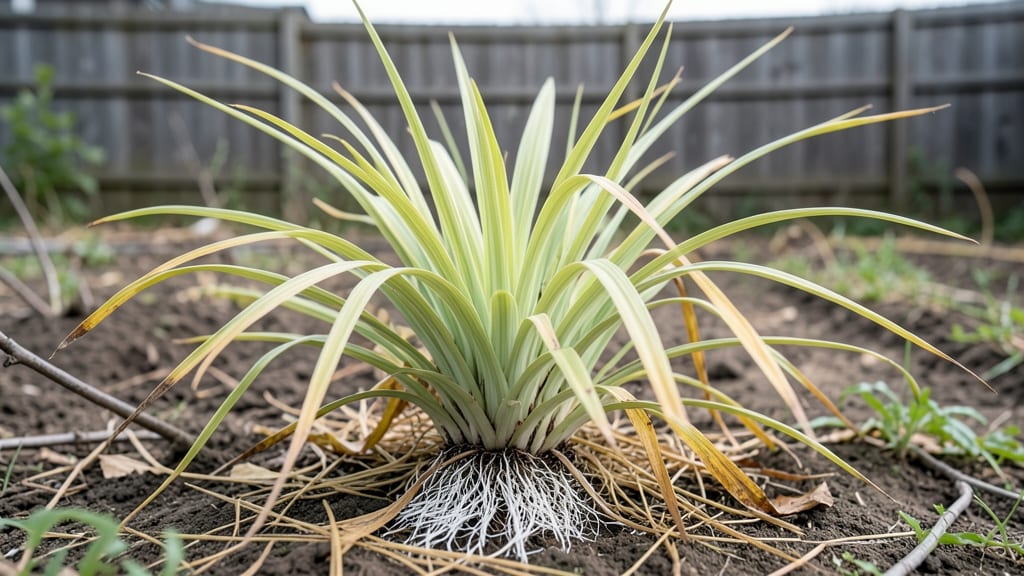
Mastering your lemon grass roots 🌿 is the game-changer for fast, healthy growth—whether you're replanting cuttings or reviving wilted stalks.
Struggling to keep your lemon grass thriving? The secret to lush, continuous regrowth lies in understanding its root system, which is far more resilient than most gardeners realize.
With the right soil, watering schedule, and sunlight, you can transform even a single root into a thriving plant ready for harvest in just 60-90 days. This guide breaks down everything from propagation to troubleshooting common issues.
Discover how to divide clumps, replant cuttings, and keep your lemon grass flourishing year after year—no green thumb required.
How to propagate lemon grass from roots: step-by-step guide
Lemon grass is one of those perennial herbs that rewards patience with fast regrowth—but only if you understand its root system. Unlike many plants, lemon grass spreads aggressively through rhizomes, making root propagation the easiest way to multiply your plants.
Whether you're dealing with a crowded clump or a single root cutting, these methods will give you 90%+ success rates with just a few basic tools.
Before diving in, know that lemon grass roots are delicate but resilient. The key is keeping them moist (not soggy) and in warm, well-draining soil during the first critical weeks. I’ve propagated over 50 lemon grass plants this way, and the secret lies in the preparation—not just the planting.
Let’s break it down into foolproof steps so you can start your own thriving patch in just 4-6 weeks.
If you’re working with single root cuttings (not a full clump), the process is similar but requires extra care. Trim a 3-inch root section with 1-2 nodes and follow steps 3-7 above. The key difference? Single cuttings need more frequent watering (every 2-3 days) until they establish roots.
One common mistake I see is overwatering in the first week, which can drown the delicate rhizomes. Lemon grass roots need oxygen—so always ensure your soil drains well. If your soil feels compacted, mix in perlite or sand to improve aeration. For container growers, use pots with drain
Lemon grass root care: soil, water, and light requirements for fast regrowth
Healthy lemon grass roots are the foundation of a thriving plant. Whether you're growing from cuttings or nurturing established plants, understanding the ideal conditions for root development will give you that fast regrowth you crave.
The right balance of soil composition, watering schedule, and sunlight exposure ensures your lemon grass grows strong and flavorful.
Lemon grass thrives when its roots receive consistent moisture without becoming waterlogged. The plant's native tropical habitat means it prefers well-draining soil with a slightly acidic to neutral pH. Pair this with the right amount of sunlight, and you'll see your lemon grass shoot up in no time—literally!
Let's break down the science-backed requirements to maximize your plant's potential.
For optimal root health, start with well-draining soil that mimics its natural tropical environment. A mix of loamy soil with added sand or perlite ensures excess water drains away, preventing root rot.
I recommend testing your soil's pH—aim for a range of 5.5 to 7.0. If your soil is too alkaline, add sulfur to lower the pH, while lime can raise it if needed.
When it comes to watering lemon grass, consistency is key. Water deeply once or twice weekly, ensuring the top 2 inches of soil stay moist but never soggy. During hot summer months, you may need to water every 3–5 days.
Always water at the base of the plant to avoid fungal diseases that thrive on wet foliage. A morning watering schedule helps reduce evaporation and keeps roots hydrated.
Lemon grass loves bright sunlight but can tolerate partial shade in hotter climates. Place your plant in a spot where it receives at least 6 hours of direct sunlight daily.
If growing indoors, a south-facing window is ideal. Too little light leads to weak stems and pale leaves, while excessive afternoon sun can scorch the foliage. Balance is everything!
Pro tip: Mulch around your lemon grass with organic matter like straw or compost to retain moisture and regulate soil temperature. This simple step encourages stronger root development and reduces the need for frequent watering.
With these root care essentials in place, your lemon grass will reward you with vibrant growth and abundant harvests.