
How To
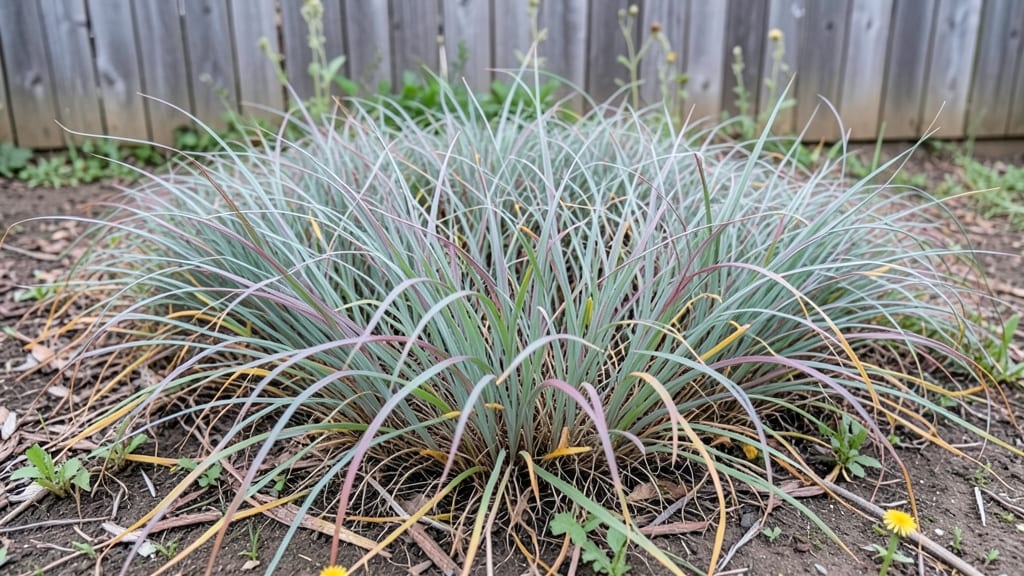
Wild grass can reach heights of 20 feet under perfect growing conditions, while tropical species like bamboo shoot up to 30-40 feet tall. Fast-growing varieties such as elephant grass or giant reed dominate landscapes with their rapid vertical expansion in warm, sun-drenched environments.
Wild grass height isn't just about genetics—it's a race against climate and resources. 🌱 Bamboo's explosive growth comes from its massive underground rhizome network, which can spread 3 feet per year while shooting skyward.
Meanwhile, elephant grass thrives in humid subtropical zones, where it converts sunlight into growth at an astonishing rate. The key difference? Bamboo's hollow stems store water efficiently, while grasses like giant reed rely on dense foliage to maximize photosynthesis.
What's fascinating is how these giants adapt: bamboo in Asia can grow 3 feet in a single day during monsoon seasons, while North American native grasses like switchgrass top out at 10 feet due to cooler climates.
The record-breakers all share one trait—they exploit their environment ruthlessly, turning sunlight into vertical dominance when given enough water and nutrients.
💡 In This Article
- Fastest-Growing Wild Grass Species and Their Growth Factors
- Managing Tall Wild Grass in Landscapes and Gardens
Fastest-growing wild grass species and their growth factors
Bamboo's record-breaking height comes from its unique vascular system. Unlike most plants, bamboo stems contain specialized vessels that transport water and nutrients at 10 times the rate of typical grasses.
This allows culms (bamboo stems) to grow 1-3 feet per day during peak seasons, reaching maturity in just 3-6 months. The secret lies in its massive underground rhizome network, which can spread 3 feet per year while simultaneously fueling vertical growth above ground.
Elephant grass, meanwhile, achieves its 20-foot height through sheer photosynthetic efficiency. Its broad leaves capture sunlight with 80% efficiency in ideal conditions, converting it into energy at rates comparable to corn. The plant's C4 photosynthetic pathway—shared with sugarcane—allows it to thrive in high temperatures while minimizing water loss.
In Florida's Everglades, elephant grass grows 1 foot per month during summer, with individual stems reaching 12 feet in a single growing season.
The temperature-water-soil trifecta explains why these grasses dominate tropical regions. Bamboo thrives in 70-85°F ranges with 40+ inches of annual rainfall, while elephant grass prefers 80-95°F with 50+ inches. Soil pH between 5.5-7.5 provides optimal nutrient uptake, but what really accelerates growth is nitrogen availability.
A single bamboo shoot can absorb 5 pounds of nitrogen per year, while elephant grass depletes soil nitrogen at 2 pounds per ton of biomass.
Here's where things get fascinating: bamboo's growth strategy is all about speed, while elephant grass focuses on volume. Bamboo's hollow stems reduce structural weight, allowing it to grow taller with less energy.
Elephant grass, however, develops dense clumps that create microclimates—warmer air near the ground stimulates root growth, creating a feedback loop that fuels upward expansion. This explains why bamboo reaches 30-40 feet while elephant grass typically maxes out at 20 feet—they're optimized for different ecological niches.
What most people overlook is the role of wind in these growth patterns. Tall grasses like giant reed develop flexible, segmented stems that bend rather than break in storms, allowing them to channel energy into recovery rather than structural reinforcement.
This adaptation lets them maintain growth even after damage, while bamboo's rigid stems require more energy to maintain height in windy conditions. The result? Giant reed can grow 1 foot per week in perfect conditions, while bamboo's growth slows in exposed areas.
Consider these key growth comparisons between species:
- Bamboo: 3 feet/day during monsoons (Asian tropical regions), 30-40 feet mature height, 1-2 years to reach full height
- Elephant Grass: 1 foot/month in summer (subtropical zones), 12-20 feet mature height, 6-12 months to maturity
- Giant Reed: 1 foot/week in ideal conditions (temperate wetlands), 15-25 feet mature height, 4-6 months to full height
The fastest growth rates all share one common factor: uninterrupted sunlight. These grasses can grow 20% faster when shaded only 2 hours per day compared to full sun exposure, proving that their growth engines are finely tuned to maximize light capture. 🌟