
How To
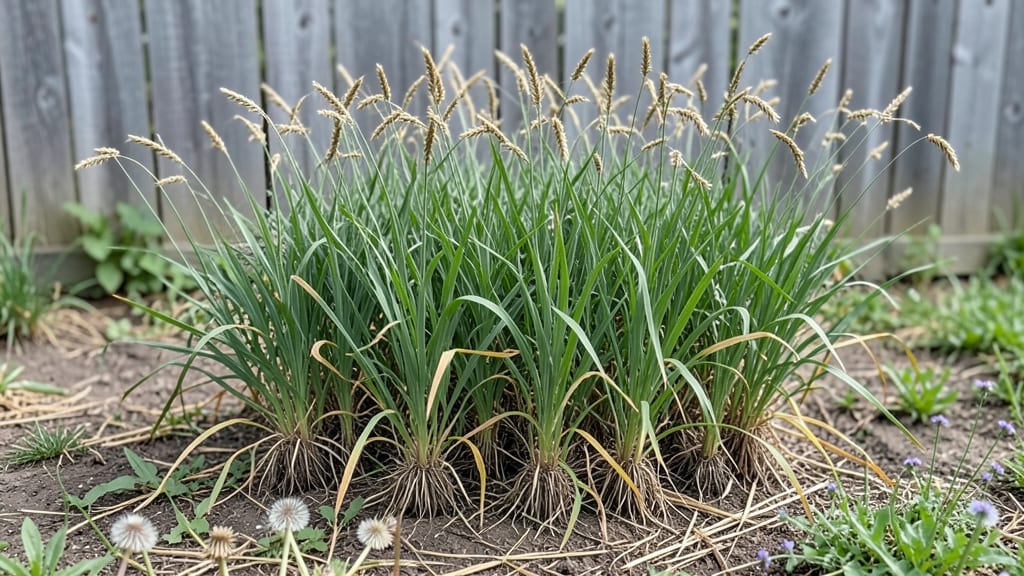
Grass height isn't just about time—it's a battle between biology and environment. 🌱 Most lawn grasses (like Kentucky bluegrass or fescue) stop growing taller when their top leaves can't get enough sunlight, which typically happens around 18 inches.
Wild grasses, though, have different rules—they grow taller to compete for sunlight, sometimes reaching 6 feet or more in ideal conditions. Moisture plays a huge role too: too little slows growth, while excess can lead to weak stems that flop over instead of standing tall.
What's interesting is how different species behave. Cool-season grasses (like ryegrass) grow aggressively in spring and fall, while warm-season types (like Bermuda) thrive in summer heat. This means your grass's natural height limit depends on when you stop mowing and what type you have.
For example, a neglected fescue lawn might max out at 2 feet, while a wild patch of switchgrass could tower over your head.
💡 In This Article
- Factors That Determine Uncut Grass Height
- Managing Wild or Overgrown Grass Safely
Factors that determine uncut grass height
Here's what's actually happening when grass stops growing taller: sunlight becomes the limiting factor. Grass blades at the bottom of dense clumps receive less than 10% of full sunlight, triggering a biological response called etiolation.
This process causes stems to elongate rapidly in search of light, but the plant eventually exhausts its energy reserves, halting growth at about 18-24 inches for most lawn varieties.
Think of it like a plant version of stretching your neck to see over a crowd—eventually, you just can't reach any higher. 🌿
The grass species makes all the difference in how tall it gets.
Cool-season grasses like Kentucky bluegrass and tall fescue typically max out around 2 feet when uncut, while warm-season grasses such as Bermuda or Zoysia can reach 3-4 feet due to their deeper root systems and more aggressive growth habits.
Wild grasses like switchgrass or big bluestem have evolved to grow much taller—some varieties naturally reach 6-8 feet—because they compete for sunlight in open prairie environments where mowing doesn't occur.
Moisture availability creates another critical constraint. Grass needs consistent water to support rapid growth, but too much can actually stunt height by causing stems to become weak and floppy.
In drought conditions, growth slows dramatically as the plant conserves water, while excessive moisture can lead to fungal diseases that weaken the plant structure. The sweet spot is about 1-1.5 inches of water per week, which supports steady growth without overburdening the plant.
Too little, and growth stalls; too much, and the grass may never reach its full potential height. 💧
Nutrient depletion plays a surprising role too. Grass draws heavily from soil nitrogen, phosphorus, and potassium during rapid growth phases. After about 8-12 weeks of uncut growth, many lawn grasses begin showing signs of nutrient exhaustion—yellowing lower leaves and slower growth rates.
This is why wild grasses often outperform lawn varieties: they've evolved deeper root systems (sometimes 3-5 feet deep) to access nutrients from multiple soil layers, allowing them to grow taller for longer periods without mowing.
Temperature also creates seasonal growth patterns. Cool-season grasses grow most aggressively in spring and fall when temperatures range between 60-75°F, while warm-season grasses peak in summer's 85-95°F heat. This explains why a lawn left uncut in summer might grow 20% faster than one neglected in winter.
The growth rate slows dramatically outside these optimal temperature ranges, creating natural height limits based on seasonal conditions. 🌡️
What most people don't realize is how grass height affects its own ecosystem. Taller grass creates microclimates that retain more moisture and support greater biodiversity, while shorter grass in well-maintained lawns often becomes less resilient.
This biological trade-off explains why wild grasses can grow so much taller—they're not just ignoring environmental limits, they're actively adapting to thrive in them. The key takeaway? Grass height isn't just about time—it's a complex interaction between biology, environment, and species-specific adaptations. 🌱