
How To
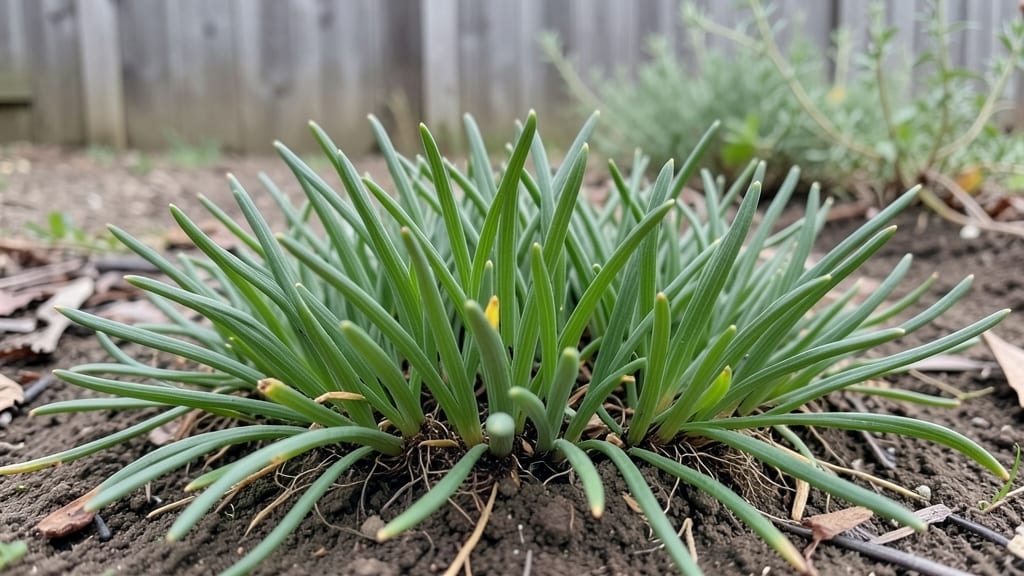
Dwarf mondo grass grows just 1 to 3 inches tall at maturity, creating a lush, ground-hugging mat perfect for erosion control and low-maintenance landscaping. While its height stays minimal, it spreads aggressively (up to 12 inches per year), making it ideal for filling gaps between stepping stones or replacing traditional lawns.
This compact height isn't just about aesthetics—it's a survival strategy. 🌱 Dwarf mondo thrives in tight spaces because its shallow roots spread horizontally instead of growing upward, anchoring soil while staying out of foot traffic.
Unlike taller grasses like Bermuda (which can reach 1-2 feet), mondo stays perfectly flat, making it ideal for high-traffic areas where mowing would be impractical. The trade-off? You'll need to control its spread with edging or mulch to keep it from creeping into unwanted areas.
What makes this grass truly unique is its adaptability. It handles shade better than most lawn alternatives and stays green even in drought conditions, though it may turn brown in freezing winters.
For best results, plant it in well-draining soil and water lightly—overwatering can cause fungal issues despite its drought tolerance.
💡 In This Article
- Factors Influencing Dwarf Mondo Grass Height
- Best Uses for Low-Growing Dwarf Mondo Grass
Factors influencing dwarf mondo grass height
Dwarf mondo grass stays so remarkably short because of its unique stolon growth habit—horizontal stems that root at nodes rather than vertical shoots. These stolons grow just 0.2 to 0.4 inches above the soil, creating a dense mat.
Unlike Bermuda grass, which develops deep rhizomes (underground stems) that can lift soil and create bumps, mondo's stolons stay surface-level, preventing any vertical growth. This adaptation makes it ideal for tight spaces where other grasses would outcompete it.
The root system plays a crucial role too. Dwarf mondo develops a shallow but extensive network of fibrous roots that spread 12-18 inches wide but rarely penetrate deeper than 2-3 inches. This contrasts with zoysia grass, which has roots reaching 6-12 inches deep to access moisture.
In sandy soils, where water drains quickly, mondo's shallow roots can dry out faster, potentially reducing its lushness unless irrigated lightly. Conversely, clay soils may restrict root spread, forcing the grass to grow wider rather than taller.
Sunlight exposure directly impacts mature height. In full sun, dwarf mondo typically reaches its 2-3 inch maximum height due to increased photosynthesis driving stolon production.
However, in partial shade (3-6 hours of direct sun daily), it may stay closer to 1-2 inches while spreading more aggressively to compensate for reduced vertical growth. This is why it outperforms many shade-tolerant grasses like fine fescue, which often grows 4-6 inches tall even in low-light conditions.
Seasonal variations create noticeable height fluctuations. During active growth in spring and summer, stolons elongate rapidly, but the grass rarely exceeds 3 inches. In winter dormancy (below 20°F), it may brown and flatten to 0.5-1 inch as growth pauses entirely.
Unlike cool-season grasses that grow taller in spring, mondo's height remains consistent year-round, making it more predictable for landscaping than grasses like ryegrass, which can reach 6-12 inches in ideal conditions.
Soil fertility also influences height indirectly. High-nitrogen soils encourage faster stolon growth, but the grass still prioritizes horizontal spread over vertical growth. The key difference from taller grasses like Kentucky bluegrass (which can reach 12-24 inches) is that mondo's genetic makeup suppresses excessive height through hormonal regulation.
Its growth regulators naturally limit stem elongation, ensuring it stays within that 1-3 inch range regardless of soil richness.
For comparison, here's how dwarf mondo stacks up against common lawn grasses:
- Bermuda grass: 1-2 feet tall (aggressive vertical growth)
- Zoysia grass: 2-4 inches tall (similar spread but thicker blades)
- Fine fescue: 4-6 inches tall (taller in shade)
- Dwarf mondo: 1-3 inches tall (consistent year-round)
This consistent low profile makes it the perfect choice for areas where mowing would be impractical—like between pavers or on steep slopes where taller grasses would require constant maintenance. 🌿