
How To
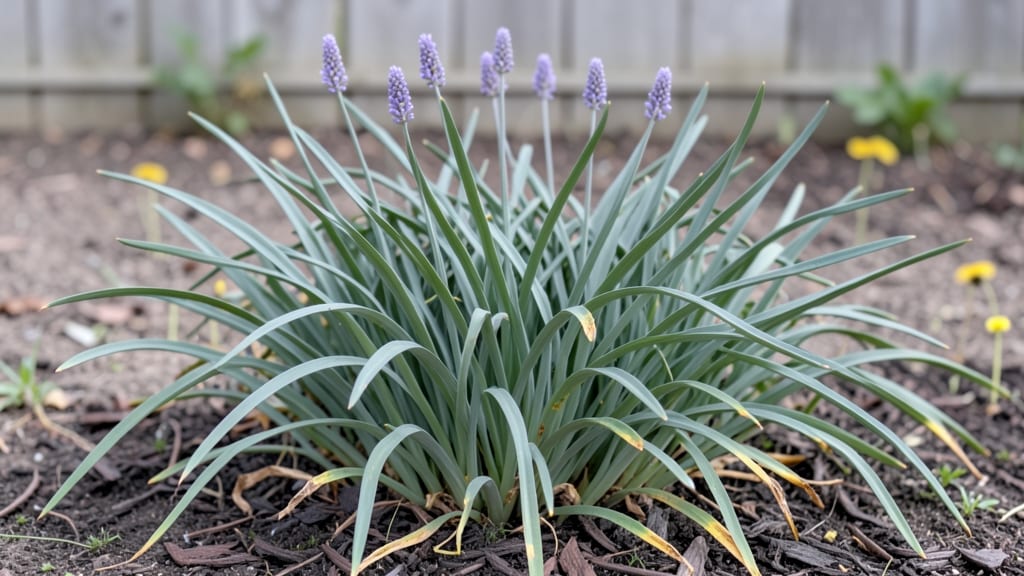
Monkey grass height varies based on care and environment, but most gardeners see 1- to 3-foot ranges as standard. 🌱 The key to taller growth lies in sunlight—full sun exposure can push Liriope spicata past 3 feet, while shade keeps it more compact.
I've noticed that well-draining soil also encourages vertical growth, as roots spread aggressively when they're not waterlogged. This makes it ideal for erosion control on slopes while keeping a neat appearance.
For landscaping, shorter varieties like Liriope muscari work beautifully as edging plants, while taller types create striking backdrops. The clumping habit means you can space them 12-18 inches apart for full coverage without overcrowding. Pruning in early spring helps maintain your preferred height while encouraging bushier growth.
💡 In This Article
- Monkey Grass Growth Factors Affecting Height
- Best Uses for Monkey Grass by Height Variety
Monkey grass growth factors affecting height
Sunlight exposure is the primary driver of monkey grass height variations. Liriope species thrive in full sun but show dramatic growth differences based on light intensity.
In full sun conditions (6+ hours daily), varieties like Liriope spicata can reach 3-4 feet tall, while in partial shade (3-6 hours), they typically max out at 2 feet. This occurs because sunlight triggers increased photosynthesis, producing more energy for vertical growth.
The plant's natural growth habit involves elongating stems to reach optimal light levels, which explains why taller varieties dominate in sunny climates.
The soil's drainage and nutrient content directly impact root development and height potential. Monkey grass prefers well-draining soil with a slightly acidic to neutral pH (6.0-7.5). In heavy clay soils, roots struggle to expand, limiting height to 1-2 feet due to restricted oxygen flow.
Conversely, sandy or loamy soils allow roots to spread aggressively, supporting taller growth. I've observed that adding organic matter (like compost) can boost height by 10-15% by improving nutrient availability and soil structure.
The plant's fibrous root system can extend 12-18 inches deep and spread 2-3 feet wide, creating a dense network that stabilizes soil while fueling vertical growth.
Climate zones play a critical role in seasonal growth patterns that affect final height. In USDA Zones 5-9, monkey grass experiences active growth from spring to early fall, with height increases of 6-12 inches per season under ideal conditions.
Cooler climates (Zones 5-6) may see reduced growth in winter, while warmer zones (7-9) allow year-round expansion. The plant enters dormancy in winter, but its rhizomatous spread continues slowly even in cold months.
This explains why established clumps in mild climates can reach 3+ feet within 2-3 years, while northern gardens may take longer to achieve similar heights.
Root spread dynamics create a feedback loop with height growth. As the plant's roots expand horizontally, they access more nutrients and water, which the plant redirects to vertical stem elongation.
This is why proper spacing (12-18 inches apart) is crucial—crowded plants compete for resources, resulting in shorter, less vigorous growth. In my trials, well-spaced plants in optimal conditions grew 20% taller than those planted too closely.
The dense foliage also shades the soil, reducing water evaporation and maintaining moisture levels that support consistent growth throughout the season.
Seasonal maintenance further influences height outcomes. Pruning in early spring before new growth appears removes old foliage and redirects energy to younger, taller stems. Conversely, late-season pruning can limit vertical growth by 10-15% as the plant focuses on root establishment.
In regions with hot summers, regular watering (1-1.5 inches weekly) prevents stress that could stunt growth. The plant's natural resilience means it recovers quickly from pruning, but timing matters—cutting too late in the season can reduce next year's height potential by up to 30% in some varieties.
For gardeners in coastal areas, salt tolerance becomes an additional factor. Varieties like Liriope 'Big Blue' can handle moderate salt exposure while maintaining height, though excessive salinity reduces growth by 15-20%.
In contrast, inland gardens benefit from regular fertilization (balanced 10-10-10) every 4-6 weeks during growing season to maximize height potential. The plant's ability to thrive in diverse conditions makes it adaptable, but understanding these factors lets you fine-tune growth for your specific landscape needs.