
How To
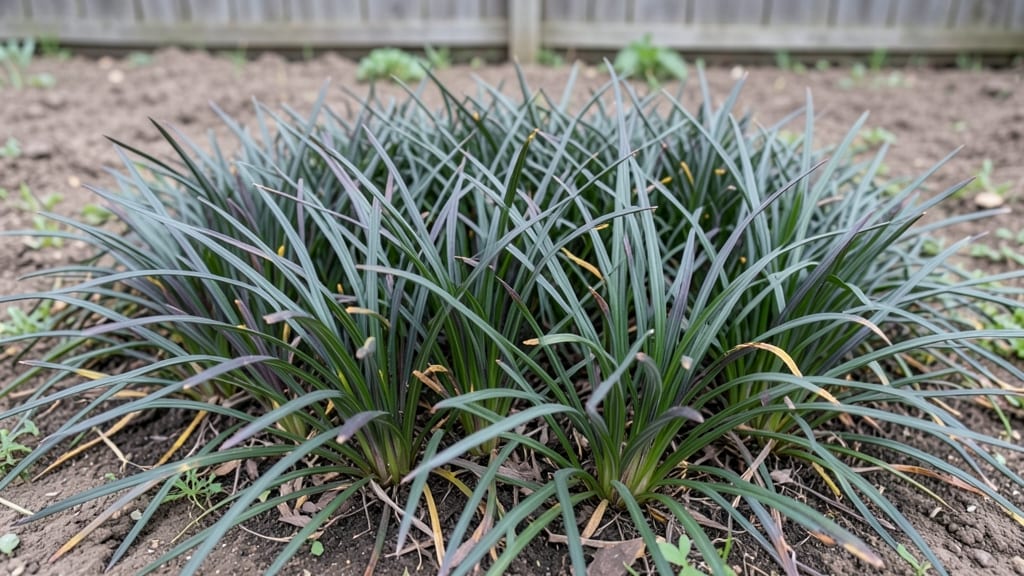
Mondo grass typically grows 3 to 6 inches tall, though varieties like Ophiopogon japonicus 'Nana' stay under 3 inches, while 'Kyoto Dwarf' reaches up to 8 inches. Its low, dense growth habit makes it ideal for ground cover and erosion control.
Understanding mondo grass height helps you choose the right variety for your space. 🌱 Most standard types maintain that 3-6 inch range, creating a lush, uniform carpet-like appearance perfect for walkways or slopes.
The dwarf varieties like 'Nana' are my go-to for tight spaces or containers, while 'Kyoto Dwarf' offers a slightly taller option without sacrificing that signature dense coverage.
What's interesting is how these heights adapt to different climates—cooler regions might see slightly shorter growth, while warmer zones can push the upper limits.
This grass thrives in partial shade to full sun, and its height remains remarkably consistent once established. The key to maintaining those ideal dimensions is regular mowing—just a few times a year keeps it looking sharp.
I've found that pairing taller varieties with low-growing perennials creates beautiful layered landscapes, while the dwarf types work wonders as edging plants or in between stepping stones.
💡 In This Article
- Mondo Grass Height Variations by Cultivar
- Best Uses for Mondo Grass by Height
Mondo grass height variations by cultivar
Here's what actually happens with mondo grass growth—the variations come down to genetics and environmental factors working together. The dwarf varieties like 'Nana' and 'Dwarf Mondo' stay compact because their growth nodes (where new stems form) are genetically limited to producing shorter shoots.
These types typically max out at 2-3 inches tall, creating a dense mat perfect for tight spaces. Meanwhile, 'Kyoto Dwarf' grows taller at 6-8 inches because its growth hormones allow slightly more vertical expansion while maintaining that signature dense foliage.
The key factor is how these varieties respond to light and temperature. In cooler climates (USDA zones 5-7), mondo grass naturally grows 10-20% shorter than in warmer zones (8-10) because colder temperatures slow cell division in the growth nodes.
For example, 'Kyoto Dwarf' might reach 7 inches in zone 8 but only 5-6 inches in zone 6. Soil moisture also plays a role—well-drained but consistently moist soil encourages fuller growth, while dry conditions can reduce height by up to 30% in some varieties.
What most people don't realize is how the root system influences height. Dwarf varieties develop shallower root systems that stay concentrated in the top 2-3 inches of soil, which limits vertical growth.
Standard types like 'Variegata' have deeper roots that can access more nutrients, allowing them to reach their full 4-6 inch potential. This root difference also explains why dwarf types spread more slowly—their energy goes into horizontal growth rather than vertical expansion.
Consider these key measurements when selecting varieties:
- 'Nana': 1.5-2.5 inches tall, spreads 12-18 inches per year
- 'Dwarf Mondo': 2-3 inches tall, spreads 10-15 inches annually
- 'Kyoto Dwarf': 6-8 inches tall, spreads 18-24 inches per year
- Standard types: 3-6 inches tall, spreads 24-36 inches annually
The science behind this involves auxin hormones, which regulate cell elongation. Dwarf varieties produce more auxin inhibitors, keeping cells shorter. This is why you'll see 'Kyoto Dwarf' develop that distinctive upright habit—its auxin distribution allows for slightly taller growth while maintaining density.
The trade-off is that taller varieties require more frequent mowing to maintain their compact look.
For practical purposes, this means you can use dwarf types in containers or between stepping stones where height matters, while standard varieties excel in larger ground cover areas.
The height variations also affect drought tolerance—taller types have slightly better moisture retention due to their deeper roots, making them more resilient in hotter climates. 🌿