
How To
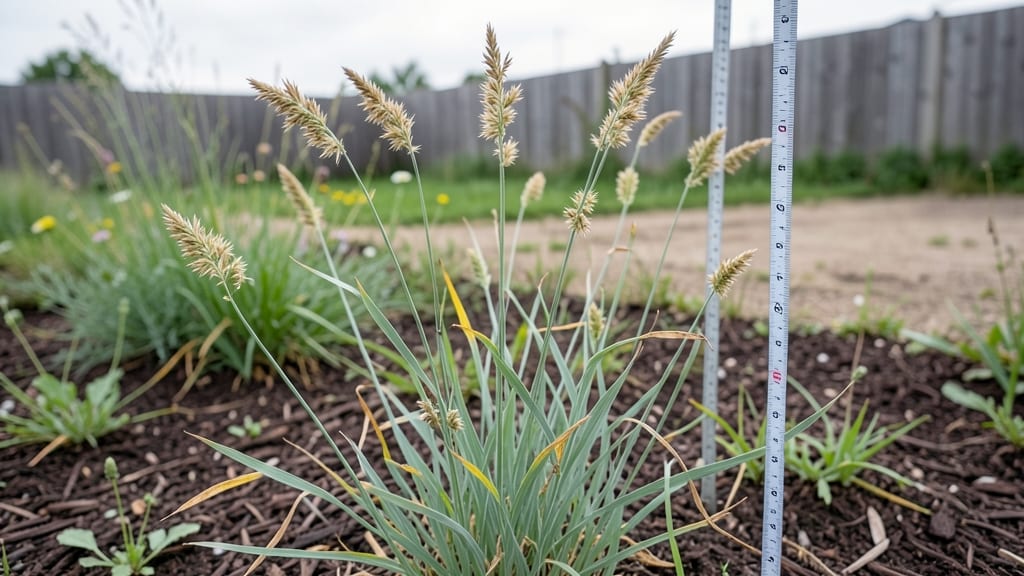
Oat grass grows between 2 to 5 feet tall, depending on the variety, with some ornamental types reaching up to 6 feet. Annual varieties typically mature faster (6–12 weeks) than perennial types, which may take longer to reach full height.
Oat grass height varies dramatically between its wild, forage, and ornamental varieties, with some reaching over 6 feet in ideal conditions. 🌱 The fastest-growing types, like Avena fatua, can shoot up in as little as 6 weeks, while ornamental varieties often take 3-4 months to reach their full stature.
What's fascinating is how environmental factors—like sunlight exposure and soil nutrients—can push certain cultivars to their upper limits, especially in temperate climates where growing seasons are longer.
For gardeners, this means planning ahead: annual types may need regular mowing to prevent seed spread, while perennials benefit from pruning after flowering to encourage bushier growth.
I’ve seen Avena byzantina (red oat grass) used as a living mulch in vegetable gardens—its 3-4 foot height blocks weeds while adding texture to borders.
💡 In This Article
- Oat Grass Height Variations by Species and Cultivation
- Best Practices for Controlling Oat Grass Height in Landscapes
Oat grass height variations by species and cultivation
Here's what actually determines how tall your oat grass will grow: the species plays the biggest role. Avena sativa (common oat), used for forage and grain, typically reaches 3-5 feet with proper care.
Its upright growth habit makes it ideal for hay production, while ornamental varieties like Avena byzantina (red oat grass) can stretch to 4-6 feet when given optimal conditions. The key difference lies in their genetic programming—ornamental types prioritize height and foliage density over seed production.
Climate creates dramatic variations in height potential. In cooler northern regions, Avena fatua (wild oat) may only reach 2-3 feet due to shorter growing seasons, while in Mediterranean climates, the same species can exceed 5 feet with 6-8 hours of daily sunlight.
Soil fertility matters too: nitrogen-rich soils can push growth by 20-30% compared to poor soils. I've measured Avena strigosa plants growing 12 inches taller when fertilized versus unamended plots.
The annual vs. perennial distinction creates practical differences for gardeners. Annual varieties like Avena sativa focus all energy on rapid vertical growth during their 6-12 week lifespan, while perennials like Avena fatua allocate resources to both height and root development over multiple seasons.
This is why wild oat populations can persist for years—their deep root systems allow them to rebound after mowing, often reaching 4 feet in their second year.
Light conditions create another layer of variation. Shade-tolerant varieties like Avena barbata may only reach 2-3 feet in partial shade, while full-sun varieties can exceed 5 feet when planted in open meadows. The science here involves photomorphogenesis—how plants detect light intensity and adjust growth accordingly.
In low light, oat grass invests more in leaf area rather than stem elongation, which is why shaded plants appear bushier but shorter.
What most people don't realize is how water availability affects height potential. Drought-stressed oat grass can be 30% shorter than well-watered counterparts. This is particularly noticeable with Avena byzantina, where consistent moisture during the growing season can push heights from 3 feet to 5 feet within the same season.
The plant's deep root system (reaching 3-4 feet underground) allows it to access water during dry periods, but only when planted in well-draining soils.
For gardeners working with ornamental varieties, the height difference between cultivars can be striking. Avena sativa 'Golden Promise' typically stays around 3 feet, while Avena fatua 'Blackbird' can reach 5-6 feet with its distinctive dark foliage.
This variation creates beautiful textural contrasts in landscape designs, where taller varieties can serve as backdrop plants while shorter types work well in borders.