
How To
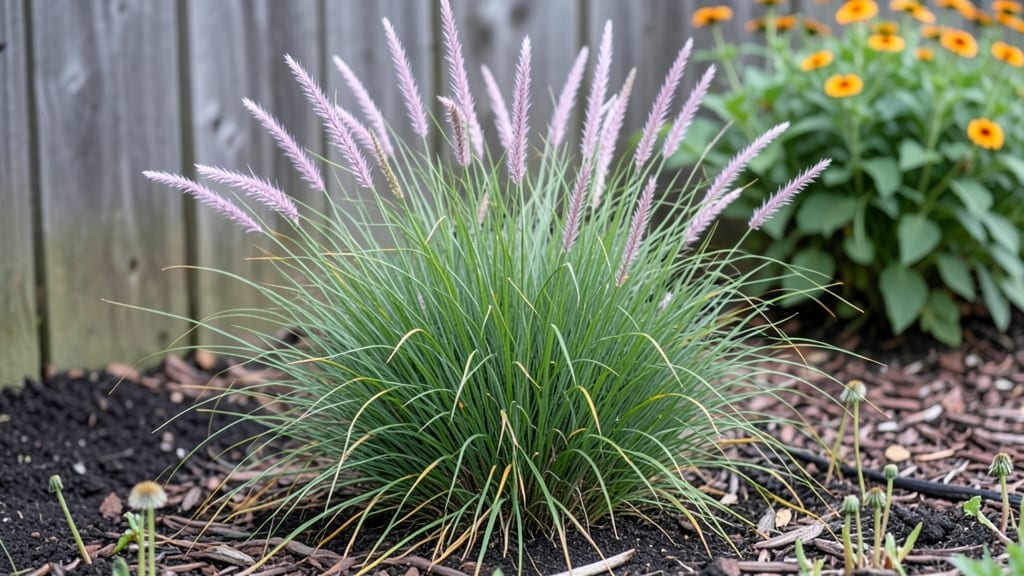
Pink muhly grass grows between 1.5 to 3 feet tall at maturity, with some cultivars reaching up to 4 feet under ideal conditions, making it a versatile ornamental grass for borders, mass plantings, and drought-resistant landscapes.
This ornamental grass thrives in warm climates and adapts beautifully to dry, sandy soils—its height varies based on soil quality and sunlight exposure. 🌿 The tallest varieties, like 'Pink Flamingo,' can stretch closer to 4 feet when given full sun and well-draining soil, while smaller types stay compact at 1.5 feet.
What sets it apart is its drought tolerance, making it perfect for low-maintenance gardens or erosion-prone areas where other plants struggle.
Beyond height, pink muhly grass is prized for its fluffy pink plumes that appear in late summer, adding texture and seasonal interest. I’ve seen it used as a border plant along walkways or as a mass planting in wildflower meadows, where its airy growth contrasts with denser shrubs.
The key to maximizing its height? Avoid overwatering—this grass prefers dry conditions and can even handle light foot traffic once established.
💡 In This Article
- Pink Muhly Grass Growth Factors Affecting Height
- Best Uses for Pink Muhly Grass in Landscaping
Pink muhly grass growth factors affecting height
Here's what's actually happening with pink muhly grass height: its growth is primarily driven by two key factors—soil drainage and sunlight intensity. In well-draining, sandy soils (which mimic its native coastal habitats), roots establish deeply and efficiently, allowing plants to reach their full 3-4 foot potential.
Poor drainage, however, triggers root stress, often resulting in stunted growth or leggy stems as the plant stretches toward light. 🌱 The science behind this involves ethylene gas production in waterlogged roots, which signals the plant to grow taller but weaker.
Sunlight exposure creates another critical variable. Pink muhly grass thrives in full sun (6-8+ hours daily), where it develops its signature upright form and dense plumes. In partial shade, plants may grow 1-2 feet shorter while becoming bushier—a trade-off worth noting for shaded garden edges.
What's fascinating is how this grass responds to heat: temperatures above 85°F actually accelerate its growth cycle, leading to earlier and more prolific flowering. This explains why southern U.S. gardens often see taller specimens compared to northern climates.
Watering habits play a surprising role too—this grass is drought-tolerant, but inconsistent moisture patterns can backfire. Overwatering in clay soils creates the perfect recipe for root rot, while underwatering in sandy soils triggers stress responses that reduce height by up to 30%. The ideal approach?
Let the soil dry completely between waterings, especially during establishment. Most gardeners don't realize that pink muhly grass stores water in its rhizomes (underground stems), allowing it to rebound quickly after dry spells—this built-in resilience is why it thrives in xeric landscapes.
Over-fertilization is the silent height killer for many gardeners. While pink muhly grass benefits from low-phosphorus, high-potassium fertilizers (like 5-10-10), too much nitrogen produces lush but weak growth that flops over under its own weight.
The grass's natural growth habit is to develop a sturdy, clumping form—excess nutrients disrupt this balance, leading to leggy, floppy stems that rarely reach their full 3-4 foot potential. 💛 What's more, rich soils can delay the plant's transition to flowering, which is when it achieves its most dramatic height.
Regional climate variations create dramatic height differences. In Zone 7 and warmer, pink muhly grass often hits its 4-foot maximum because the growing season extends into late fall. In Zone 5, where winters are colder, plants typically max out at 2 feet due to shorter growing periods.
The hardiness factor here is critical: while the grass is perennial in Zones 7-10, it may die back to the ground in colder climates but regrows vigorously each spring—this freeze-thaw cycle actually stimulates denser growth patterns.
For landscape designers, understanding these factors means the difference between a 3-foot border plant and a 2-foot disappointment. The key takeaway? Prioritize well-draining soil, full sun exposure, and minimal fertilization to coax pink muhly grass toward its maximum height potential while maintaining its signature fluffy texture.
In my own garden, I've seen the difference between a 2-foot specimen in clay soil and a 3.5-foot showstopper in amended sandy soil—proof that the right conditions make all the difference. ✨