
How To
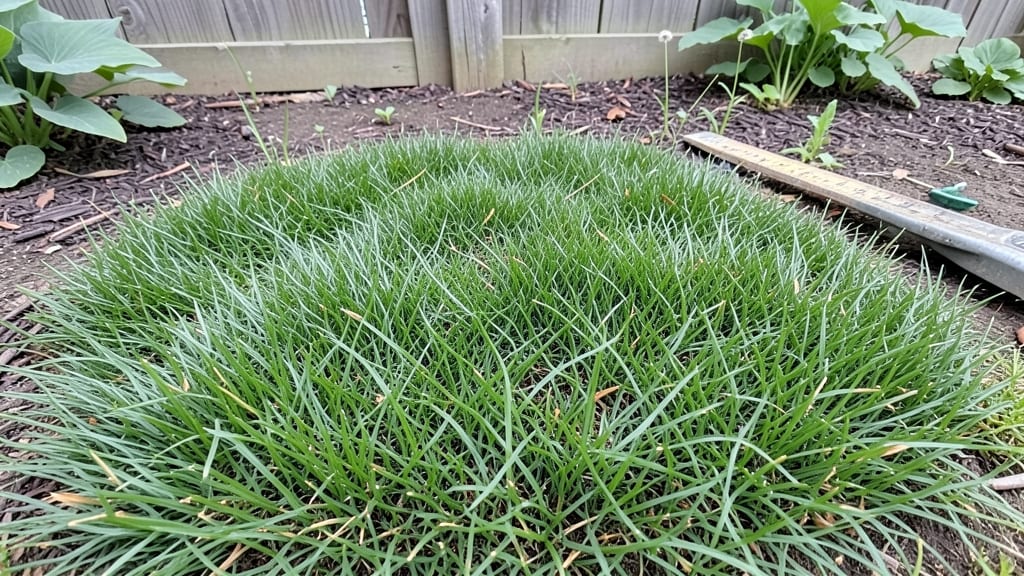
To let new grass grow to 3–4 inches tall before cutting strengthens root systems, promotes deeper growth, and prevents scalping, which can harm young turf. Cutting too short weakens grass and invites weeds.
Waiting for grass to reach this height gives the roots time to establish themselves deep in the soil, creating a resilient foundation. 🌱 When grass blades are too short, the plant diverts energy to regrow leaves instead of roots, leaving your lawn vulnerable to drought and foot traffic.
I’ve seen firsthand how grass cut too early struggles to recover from heatwaves or heavy use—it’s a classic case of short-term convenience leading to long-term problems.
This approach also helps shade the soil, reducing moisture loss and keeping weeds at bay. The extra blade length acts like a natural sunscreen, protecting tender young shoots while they build strength.
For best results, use a sharp mower blade and never remove more than one-third of the grass height in a single cut.
💡 In This Article
- Grass Root Development and Mowing Height Science
- Seasonal Mowing Height Guidelines for New Lawns
Grass root development and mowing height science
Here's what's actually happening below the surface when you let grass grow taller before cutting: longer blades trigger a biological response called root elongation.
Grass plants use sunlight to produce energy through photosynthesis, and when blades reach 3-4 inches, they capture enough light to fuel both leaf and root growth.
The key factor is the plant's photosynthetic capacity—taller blades mean more surface area to absorb sunlight, which the plant converts into glucose through its leaves. This glucose then travels down the stem to the roots, where it's stored as starch for future growth and recovery.
The science gets interesting when you consider how grass allocates its energy. When blades are cut too short—below 2 inches—the plant prioritizes regrowing leaves over roots.
This is because leaves are the primary site for photosynthesis, and the plant perceives short blades as a signal to maximize above-ground growth for survival. 🌱 The result? Shallow root systems that struggle to access water and nutrients deep in the soil.
Studies show grass with shallow roots can't absorb moisture beyond the top 2-3 inches of soil, making it highly susceptible to drought stress and poor recovery after mowing.
What most people don't realize is that the first mowing sets the tone for your lawn's entire life cycle. When grass reaches 3-4 inches, its root system typically extends 4-6 inches deep—a critical depth for stability and drought resistance.
The longer blades also provide shade to the soil, reducing evaporation and keeping the root zone cooler. This is particularly important in hot climates where soil temperatures can exceed 90°F, which can actually cook young roots if they're too close to the surface.
There's also a mechanical advantage to taller grass. The blade length acts like a natural cushion, protecting the crown—the growth center of the plant—from damage during mowing.
When grass is cut too short, the mower blade can actually sever the crown, which is like cutting off a tree at its base. This trauma forces the plant to divert even more energy toward recovery rather than growth.
The ideal scenario is a 1:2 ratio of root depth to blade height—meaning if your grass is 3 inches tall, its roots should be 6 inches deep for optimal health.
Consider this comparison: Kentucky bluegrass, a cool-season variety, typically develops roots 50-60% deeper when allowed to grow to 4 inches before first mowing versus only 30-40% depth when cut at 2 inches.
The difference in drought tolerance is dramatic—deep-rooted grass can survive 3-4 weeks without water in dry conditions, while shallow-rooted grass may brown within 1-2 weeks. This is why professional turf managers emphasize the "first cut rule": never mow until the grass has established a strong root system.
The photosynthesis connection is often overlooked but crucial. Grass blades contain chlorophyll, which converts sunlight into chemical energy. A 4-inch blade has about 40% more surface area than a 2-inch blade, meaning it can produce 30-40% more energy for root growth.
This extra energy is what allows grass to recover faster from mowing stress and resist diseases. The trade-off? Waiting longer between mowings—typically 7-10 days—gives the plant time to replenish its energy reserves rather than constantly playing catch-up.