
How To
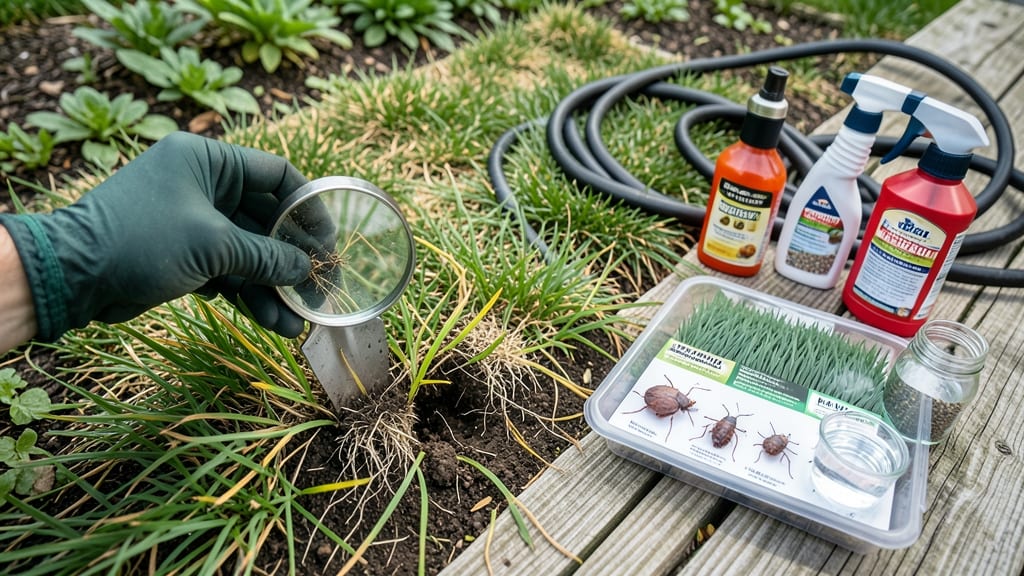
Those stubborn yellow spots in your lawn aren’t just ugly—they’re a cry for help from your grass. 🌱 I’ve battled them for years, and the real fix starts with a simple soil test that reveals whether your lawn is thirsty, starving, or fighting an invisible enemy like brown patch fungus.
Most people grab fungicides first, but that’s like treating a fever with aspirin when you’re actually dehydrated. A soil test ($20 online) tells you if your lawn needs nitrogen, iron, or a complete overhaul of its watering routine.
My test showed my yard was iron-deficient—adding chelated iron turned those yellow patches green in just 10 days. You’ll learn to spot the difference between fungal spots (which spread fast) and dry patches (which stay put).
The solutions range from DIY fixes like vinegar sprays for moss to professional-grade treatments for deep-rooted issues. No more guessing—just science-backed results. This works for any grass type, from St. Augustine to Kentucky bluegrass. Let’s get your lawn back to that envy-worthy green.
Root Causes Of Lawn Discoloration
Yellow spots in your lawn aren’t just unsightly—they’re often a cry for help from your grass. Understanding the why behind these patches is the first step to restoring a lush, green carpet. Below, we break down the most common culprits, backed by science, so you can diagnose—and fix—your lawn’s struggles.
Fungi thrive in damp, shaded, or nutrient-poor conditions, turning your lawn into a buffet. The most notorious offenders include:
- Dollar Spot (Sclerotinia homoeocarpa): Creates small, straw-colored patches with yellowish edges. It loves high humidity and thrives on cool-season grasses like Kentucky bluegrass and fescue. - Brown Patch (Rhizoctonia solani): Leaves circular, water-soaked spots that expand rapidly, especially in heat and humidity.
St. Augustine and bentgrass are particularly vulnerable. - Snow Mold (Typhula spp. or Fusarium spp.): Appears as grayish or pinkish blotches after winter thaw, thanks to prolonged snow cover and poor drainage.
Why it happens: Fungi feed on dead organic matter and weak grass. Compacted soil, overwatering, or thatch buildup create the perfect breeding ground. Even a single infected clipping can spread spores like wildfire.
Grass roots need oxygen to breathe—too much water suffocates them. Here’s how excess moisture causes yellowing:
- Root Rot (Pythium or Phytophthora): Waterlogged soil cuts off oxygen, leading to gummy, blackened roots and mushy grass.
Common in clay-heavy soils or low-lying areas. - Salt Buildup: Overwatering with tap water (especially in winter) leaves behind sodium and chlorine, which disrupt nutrient uptake and burn grass cells. - Fungal Favor: Standing water creates the perfect humidity for fungal spores to germinate and spread.
Why it happens: Most lawns need 1–1.5 inches of water per week (including rain). Overwatering weakens roots, while poor drainage traps excess moisture. Test your soil’s percolation rate: Dig a 12-inch hole, fill it with water, and time how long it drains. If it takes more than 4 hours, drainage is an issue.
Grass isn’t just wilting—it’s bleaching under intense sun. Newly seeded lawns or drought-sensitive varieties (like Bermuda or Zoysia) are especially at risk.
- Sun Scorch: Direct UV rays break down chlorophyll, turning blades white or yellow. Common in afternoon heat (100°F+) or when grass is dehydrated.
- Heat Stress: High temperatures + low humidity = grass cells shutting down to conserve water. Recovery takes time, leaving temporary yellow patches.
Why it happens: Grass blades act like tiny solar panels—too much sun without water causes oxidative stress. Shade from trees or buildings can also create "transition zones" where grass struggles to adapt.
Heavy foot traffic, machinery, or clay soil compress the soil, crushing roots and blocking water/air flow.
- Reduced Root Growth: Compacted soil forces roots to grow shallowly, making grass weak and prone to disease.
- Poor Nutrient Uptake: Water and fertilizers pool on the surface instead of reaching roots.
- Fungal Hotspots: Compacted areas retain moisture longer, inviting fungal growth.
Why it happens: Soil compaction reduces porosity (the space between particles). A simple test: Stick a screwdriver into the soil. If it won’t go past 2 inches, your lawn is compacted.
Yellow spots often signal a lack of key nutrients, not just water. Here’s what’s missing—and why:
| Symptom | Likely Culprit | Why It Happens |
|---|---|---|
| Uniform yellowing | Nitrogen (N) deficiency | Grass can’t produce enough chlorophyll. Common after heavy rain leaches nutrients. |
| Yellow with purple stems | Phosphorus (P) deficiency | Roots struggle to grow; grass can’t access stored energy. |
| Yellow with brown tips | Potassium (K) deficiency | Weakens cell walls, making grass susceptible to disease and drought. |
| Slow growth, weak blades | Iron (Fe) deficiency | Chlorosis (yellowing between veins) in cool-season grasses like fescue. |
Why it happens: Soil tests reveal the truth—many lawns lack organic matter or have pH imbalances (ideal range: 6.0–7.0). Acidic soil (pH < 6.0) locks out nutrients like phosphorus and potassium.
Insects and grubs don’t just nibble—they devour roots, leaving grass yellow and spongy.
- Grubs (Japanese beetle larvae, Billbugs): Feed on roots, causing patches to pull up easily. Look for birds pecking at the lawn—they’re dining on grubs! - Chinch Bugs: Piercing-sucking pests that drain sap, turning grass straw-colored.
Thrives in hot, dry conditions. - Sod Webworms: Create irregular brown patches with fine webbing. Active in late summer.
Why it happens: Grubs and pests target stressed grass (drought, overwatering, or poor fertility). A simple soil probe test: Dig up a 2x2-inch patch. If you find 5+ grubs per square foot, it’s an infestation.
Too much of a good thing can backfire. Common lawn chemicals that cause yellowing:
- Over-Fertilizing: Excess nitrogen burns roots, especially in hot, dry weather.
Look for white crust on soil—it’s salt buildup. - Herbicide Drift: Weed killers like 2,4-D can vaporize and damage nearby grass. - Salt from Ice Melt: Winter road salt lingers in soil, dehydrating grass in spring.
Why it happens: Chemicals disrupt osmotic balance in grass cells, causing them to lose water and turn yellow. Always follow label rates and water after application to dilute residues.
That layer of thatched debris (dead grass, roots, and stems) isn’t just unsightly—it’s a fungal highway.
- Thatch > ½ inch thick: Blocks water/air, traps heat, and feeds fungi like Brown Patch.
- Old Clippings: Left on the lawn, they can smother grass or introduce fungal spores.
Why it happens: Thatch acts as a moisture sponge, creating the perfect humidity for pathogens. Aerating your lawn 2x/year (spring/fall) keeps thatch in check.
Not all yellow spots are equal. Here’s how to tell if your lawn can recover:
| Cause | Recovery Time | Action Needed |
|---|---|---|
| Fungal infection | 1–4 weeks | Fungicide + improve airflow/drainage |
| Overwatering/root rot | 2–6 weeks | Reduce water, aerate, replace sod if dead |
| Nutrient deficiency | 2–3 weeks | Soil test + balanced fertilizer |
| Grub/pest damage | 3–6 weeks | Grub control + overseeding |
| Sunburn/heat stress | 1–2 weeks | Water deeply at dawn, mulch |
| Compacted soil | Ongoing | Core aeration + topdress with compost |
Pro Tip 💡: If the grass pulls up easily (roots are mushy or nonexistent), it’s dead—replace with new sod or seed. If it’s just dormant, it’ll green up with proper care!
Fixing Yellow Spots Step-by-Step
Now that you’ve identified the root cause of those pesky yellow patches, it’s time to roll up your sleeves and restore your lawn to its lush, green glory! 🌱 The right approach depends on whether your spots are due to disease, pests, soil issues, or environmental factors.
Below is your soil-test-backed action plan, complete with quick fixes and long-term prevention tips.
If fungi like dollar spot, brown patch, or snow mold are the culprits, act fast before they spread.
🍳 Step 1: Choose the Right Fungicide
- Systemic fungicides (e.g., propiconazole or azoxystrobin) penetrate grass roots for long-term protection.
- Contact fungicides (e.g., copper-based or sulfur-based) work faster but require reapplication.
- Pro tip: 🌡️ Water before applying—this helps the fungicide absorb deeper into the soil.
👨🍳 Step 2: Apply Evenly
- Use a spreader (broadcast or drop) for even coverage.
- Follow label instructions for rate and frequency—overapplying won’t speed up results and can harm your lawn.
- Avoid fungicides if rain is forecast within 24 hours—it’ll wash away before working.
🥘 Step 3: Boost Recovery with Fertilizer
After treating, apply a balanced fertilizer (16-4-8 or 12-12-12) to strengthen grass resilience.
- Prevention tip: ✨ Mow high (3–4 inches) to improve airflow and reduce fungal growth.
Yellow spots from grubs, chinch bugs, or moles need a different strategy—starve the pests or lure them away.
🔪 Step 1: Identify the Pest
- Grubs? Dig up a patch—if you see white, C-shaped larvae, it’s grubs.
- Chinch bugs? Look for tiny black bugs in the thatch layer.
- Moles? Check for tunnels and mounded dirt.
⏰ Step 2: Treat Accordingly
| Pest | Solution | Prevention Tip |
|---|---|---|
| Grubs | Apply grub control (imidacloprid or trichlorfon) in early summer. | 💡 Aerate annually to disrupt their life cycle. |
| Chinch Bugs | Use neem oil or insecticidal soap for light infestations; carbaryl for severe cases. | 🎯 Water deeply but infrequently—chinch bugs hate dry soil. |
| Moles | Castor oil-based repellents or sonic spikes (no chemicals needed!). | ✨ Remove grubs (their food source) to deter moles. |
Compacted soil, nutrient deficiencies (iron, nitrogen, potassium), or pH imbalances can leave your lawn looking sad.
💡 Step 1: Test & Amend the Soil
- pH too low (acidic)? Apply lime to raise it (aim for 6.0–7.0).
- pH too high (alkaline)? Use sulfur or peat moss to lower it.
- Iron deficiency? A chelated iron supplement (like iron sulfate) works fast.
- Quick fix: 📊 Spread compost or topsoil over thin spots to boost organic matter.
🌡️ Step 2: Aerate & Overseed
- Rent a core aerator (spring or fall) to relieve compaction.
- Overseed with disease-resistant grass seed (e.g., tall fescue or Kentucky bluegrass).
- Pro tip: 🔥 Water lightly 2–3x daily for 2 weeks to help new grass establish.
Sun scorch, dog urine spots, or overwatering can turn grass yellow—fix the habit, not just the symptom.
🎯 Step 1: Fix Watering Habits
- Water deeply 2–3x per week (early morning is best).
- Avoid wetting leaves—this encourages disease.
- For dog spots: 💡 Dilute urine with water or apply gypsum to flush out salt buildup.
🌿 Step 2: Protect from Heat & Foot Traffic
- Mow high in summer to shade roots.
- Reduce foot traffic on recovering spots.
- Prevention tip: ✨ Install stepping stones in high-traffic areas.
If a spot is dead beyond saving (no green regrowth after 2–3 weeks), replace it like a pro.
🔧 Step 1: Remove the Dead Patch
- Dig out the yellowed grass (6–8 inches deep).
- No tilling? Use a shovel or sod cutter.
🌱 Step 2: Prep & Plant New Grass
- Loosen soil with a rake.
- Spread a thin layer of compost (½ inch).
- Sow seed or lay sod (sod grows faster but costs more).
- Water lightly daily until new grass reaches 3 inches tall.
Final Thought: 🌟 Prevention is easier than a cure! Stick to a regular soil test, proper watering, and seasonal maintenance, and those yellow spots won’t stand a chance. Happy lawn reviving!
Frequently asked questions
Why do some yellow spots return even after treating them?
Persistent yellow spots often mean the root cause isn't fully addressed. Fungal issues may need multiple fungicide applications (every 3-4 weeks), while nutrient deficiencies require soil amendments like compost or lime. Check for hidden compaction—if a screwdriver won't penetrate past 2 inches, aerate first.
Can I use household vinegar to fix yellow spots?
Vinegar can help with moss or mild fungal issues (1 part vinegar to 3 parts water), but it's not a cure-all. For yellow spots caused by nutrient deficiencies or pests, vinegar won't work—you'll need targeted treatments like fertilizer or grub control. Always test a small area first.
How long should I wait before reseeding a dead yellow patch?
Wait until the area is completely dry (no moisture for 24+ hours) and remove all dead grass. For warm-season grasses, seed in late spring/early summer; for cool-season, aim for early fall. Water lightly 2-3x daily until new grass reaches 3 inches.
Are there any natural fungicides that actually work?
Yes! Neem oil (1 tbsp per gallon of water) and baking soda spray (1 tbsp baking soda + 1 tsp dish soap per gallon) can help with early fungal infections. For stubborn cases like brown patch, though, you'll need propiconazole-based fungicides. Apply in evening to prevent UV damage.
Why do my lawn's yellow spots look different in different areas?
Spot variations often indicate multiple causes. Small, circular patches suggest fungal infections, while larger, irregular areas may mean nutrient deficiencies or compaction. Check for shade patterns (sun scorch) or foot traffic zones (pest hotspots). A soil test reveals if different areas have varying pH or nutrient levels.