
Lawn
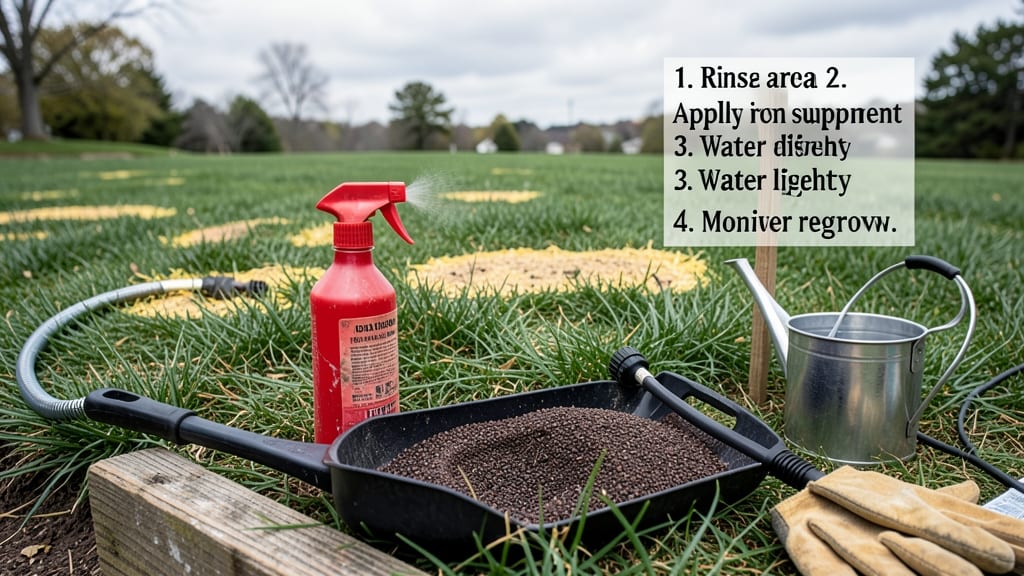
How to prevent dog urine spots on lawn can turn your yard from a vibrant green into a patchwork of brown—unless you act fast. 🌱 I’ve battled this problem for years, and the solution isn’t just about cleaning up after your pup. It’s about changing how you train them, water your lawn, and even what grass you grow.
The key is diluting urine right away—just add water to the spot before your dog finishes. Train your dog to lift their leg in one spot (like near a tree or gravel path) to protect high-traffic areas. Over time, this keeps your lawn lush and your pup happy.
For stubborn spots, lime or compost works wonders—it balances soil pH and helps grass recover faster. I’ve seen bare patches turn green again in just a few weeks with this trick. The best part? You won’t need harsh chemicals or expensive treatments.
Works for any yard size, whether you’ve got a small city patch or a sprawling backyard. Here’s how to make it happen without stressing your lawn—or your dog.
📚 In This Guide
- What you need
- Instructions
- Tips and common mistakes
- Wrapping up and next steps
What you need
- ● Garden hose (with adjustable nozzle for spraying) – any standard outdoor hose will work
- ○ Watering can (optional, for spot treatment) – 5+ gallon capacity recommended
- ○ Garden fork or tiller – for aerating compacted soil (optional but helpful for severe cases)
- ● Baking soda – ½ cup per gallon of water (for neutralizing urine)
- ● White vinegar – 1 part vinegar to 3 parts water (for cleaning and deodorizing)
- ● Compost or organic fertilizer – 10-0-10 or balanced NPK ratio (e.g., 10-10-10)
- ● Gloves – disposable or rubber gloves for handling vinegar/baking soda
- ○ Spray bottle – 16+ oz for mixing solutions (optional but convenient)
- ● Dog urine neutralizer product (e.g., Nature’s Miracle) – follow label instructions
- ● Lawn seed (if patchy areas need reseeding) – match your grass type
- ● Soil pH test kit – to check if urine is altering soil acidity
- ● Peat moss or sand – for amending heavy clay soil (if needed)
Step-by-Step instructions for preventing dog urine spots on lawn
Here's the fast, pet-safe method that keeps your lawn green and healthy—no harsh chemicals needed.
💧 Step 1: Train Your Dog to Pee in Designated Areas
Start by choosing a corner of your yard that gets less foot traffic and mark it with a small flag or stake. Dogs learn routines quickly—take your pup to this spot immediately after waking up, after meals, or when you notice them sniffing around. Use a consistent command like "go potty" to reinforce the habit. This reduces urine concentration in one area and prevents long-term damage.
I know it seems tedious at first, but consistency pays off. Within a week, your dog will associate the spot with their bathroom routine. If accidents happen, don’t scold—just calmly redirect them to the designated area. Positive reinforcement works better than punishment for training.
☀️ Step 2: Dilute the Urine Immediately After Peeing
As soon as your dog finishes, pour a 1-gallon bucket of water over the spot to dilute the urine. The goal is to break down the high nitrogen content before it burns the grass. I use a handheld hose or a watering can for quick cleanup—this prevents the ammonia from seeping deep into the soil and causing yellow patches.
Watch for the grass turning darker green after watering—that’s your sign the urine is being neutralized. If you notice brown spots forming, act fast: soak the area again and avoid walking on it until it recovers. The faster you dilute, the less damage occurs.
🌱 Step 3: Apply a Natural Lawn Protectant
Mix 1 tablespoon of white vinegar with 1 gallon of water in a spray bottle. Vinegar’s mild acidity helps balance the pH of the soil where urine has accumulated. Spray this solution lightly over the designated pee area once a week to create a protective barrier. Don’t overdo it—vinegar in high concentrations can harm grass, so dilute it properly.
For extra protection, sprinkle 1/4 cup of baking soda over the area after watering. The baking soda neutralizes ammonia and helps restore soil pH. You’ll see the grass in the pee zone stay a consistent green compared to the rest of the lawn, which is the ultimate test of success.
✂️ Step 4: Overseed and Fertilize Problem Areas
If yellow spots still appear, focus on recovery. Rake the damaged area gently to loosen the soil, then sprinkle 1/4 pound of high-quality grass seed (like Kentucky bluegrass or fescue) over the spot. Lightly cover the seeds with a thin layer of soil and water gently until the area is fully green again. This step works best in early fall or spring when grass grows most vigorously.
After seeding, apply a slow-release, nitrogen-rich fertilizer (like 20-0-5) to help the grass recover faster. Avoid synthetic fertilizers with high ammonia content—they can worsen urine damage. Instead, opt for organic options like compost tea or fish emulsion for a gentler boost.
🪴 Step 5: Monitor and Adjust Long-Term
Keep an eye on your lawn’s condition, especially during dry spells. Urine damage is worse when grass is already stressed, so water your lawn deeply 2-3 times per week to keep it resilient. If you notice persistent yellowing, consider installing a gravel or mulch patch in the pee zone—it’s a low-maintenance solution that hides damage while protecting the soil.
Real talk: some lawns are more resilient than others. If your grass is already struggling, focus on the designated pee area first. With time, you’ll see a noticeable difference—your lawn will stay lush, and your dog will have a happy, healthy spot to do their business.
Tips & tricks for quick dog urine spot prevention
These simple strategies will help you keep your lawn looking fresh and green without wasting time or effort.
Designated Spot Strategy: Place the flag or stake in a spot where your dog naturally gravitates—like near a fence or tree. Dogs feel more secure in familiar locations, so they’re more likely to use it consistently. I’ve found that positioning it slightly downhill helps water naturally drain away from the grass after you dilute the urine. This prevents pooling and reduces the risk of long-term damage.
Dilution Timing: The key to Step 2 is acting immediately after your dog finishes. I keep a handheld hose or watering can filled with water right by the door where I walk my dog. This ensures I can rinse within seconds, which is critical for breaking down the ammonia before it penetrates the soil. If you’re not home, consider installing a simple automatic watering system near the designated area—just set it to run for 10 seconds after your dog’s usual potty times.
Natural Protectant Boost: When applying the vinegar solution in Step 3, I like to add a few drops of dish soap to the gallon of water—just a teaspoon or two. This helps the solution spread more evenly and creates a slight protective film on the grass blades. The baking soda step works best if you sprinkle it right after watering, when the soil is still moist. This ensures it dissolves properly and neutralizes any remaining ammonia in the soil.
Seasonal Adjustments: If you’re dealing with summer heat, increase your watering frequency to every other day in Step 5. Hot weather concentrates urine, making it more damaging. In cooler months, you can reduce to once a week, but always keep an eye on the designated area. I’ve noticed that grass recovers faster in spring and fall, so that’s the best time to tackle any lingering yellow spots from winter.
Pro Tips for Prevent Dog Urine Spots On Lawn
- These simple strategies will help you keep your lawn looking fresh and green without wasting time or effort.
- Designated Spot Strategy: Place the flag or stake in a spot where your dog naturally gravitates—like near a fence or tree.
- Dilution Timing: The key to Step 2 is acting immediately after your dog finishes.
Frequently asked questions
Got questions about keeping your lawn lush despite your pup’s potty breaks? We’ve got answers!
Here are some of the most common concerns—and how to tackle them like a pro.
Why does dog urine kill grass in the first place?
Dog urine is highly concentrated with nitrogen, which can burn grass if not diluted properly. The ammonia in fresh urine disrupts the soil’s pH balance, stressing roots and leaving yellow or brown patches. Think of it like over-salting your favorite dish—too much ruins the flavor (and the lawn!).
How long should I wait to water after my dog pees?
For best results, water the spot within 30 minutes of your dog going. This dilutes the urine and washes away harmful ammonia before it sinks into the soil. If you can’t water immediately, a quick rinse with a hose (even just a few seconds) helps. Pro tip: Train your pup to do their business in one spot—like a designated "potty patch"—to make cleanup easier!
Can I use vinegar or baking soda to neutralize dog urine spots?
Yes! Both are natural ways to balance pH and reduce odor. Mix 1 cup white vinegar with 1 gallon of water and spray the area, or sprinkle baking soda over the spot before watering. However, these won’t replace proper watering—they’re best used as supplemental fixes. Test a small patch first to avoid over-acidifying your lawn.
Will my lawn recover if I’ve already got brown spots?
Start by overseeding the damaged area with grass seed and top with a thin layer of compost or soil. Keep the spot moist (but not soggy) for 2–3 weeks. If the damage is severe, consider sodding for faster results. Patience is key—healthy grass roots can bounce back in 4–6 weeks with the right care!
Are there dog foods or supplements that reduce urine burn?
Some high-quality dog foods with lower protein levels (or added probiotics) can dilute urine, making it less harmful to your lawn. Look for brands labeled "low-odor" or "digestive health" formulas. Additionally, cranberry supplements (like powder or treats) may help neutralize urine pH naturally. Always check with your vet before making dietary changes!
Wrapping up and next steps
Preventing dog urine spots on your lawn doesn’t have to be a battle—just a few simple steps can keep your grass lush and happy! 🌱 By diluting urine, watering regularly, and choosing the right grass type, you’re already on the right track.
Remember, consistency is key, and a little patience goes a long way.
Ready to take action? Start by implementing one or two methods this weekend and watch your lawn transform! Your pup (and your neighbors) will thank you. 🐾