
Lawn
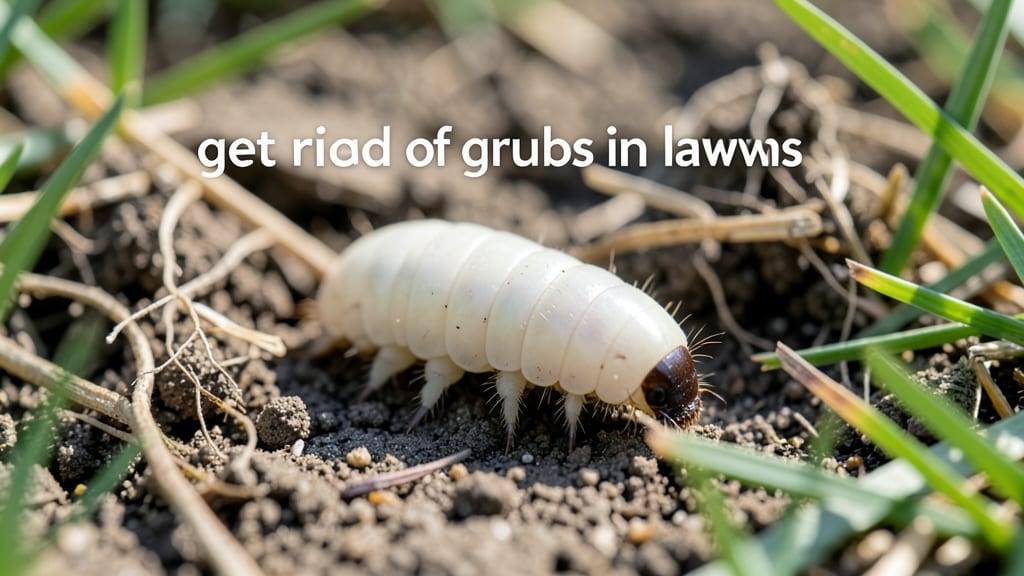
Grubs turning your lawn into a chewed-up mess? 🌱 I’ve battled these white, C-shaped pests and learned the fastest organic cure—no harsh chemicals needed. The key is acting quickly before they skeletonize your grass roots.
Most grubs hatch from Japanese beetle eggs in late summer, then feast underground until fall. If you spot patches of brown, spongy grass that pulls up easily, you’re dealing with a grub infestation.
The good news? A 3-step organic approach—beneficial nematodes, milky spore bacteria, and proper lawn care—can eliminate them in weeks.
By week 3, your lawn will bounce back with lush, green recovery as grubs die off and roots regrow. The nematodes and milky spore create a long-term defense, so next season’s grub population stays low.
No more digging up dead patches or watching your yard turn into a buffet for pests.
Works for any lawn type—cool-season or warm-season grass—and fits into a weekend plan. Here’s how to tackle it step by step without harming your yard’s health.
Root Causes of Grub Infestations
Grubs—those plump, C-shaped larvae of beetles—don’t just appear in your lawn by accident. They thrive because of specific conditions that turn your grass into their all-you-can-eat buffet.
Understanding why they show up is the first step to stopping them before they devour your lawn’s roots. Let’s break down the science behind these sneaky pests.
---
Grubs love moist, nutrient-rich soil—almost like a five-star hotel for larvae. Here’s why your lawn might be sending out an open-sign invitation:
- Excessive Watering: Grubs need moisture to survive, and overwatering creates the perfect damp environment. Deep, infrequent watering (1-1.5 inches per week) is ideal, but frequent light watering keeps soil soggy, making it a grub magnet. - Organic Matter Overload: Thatch, mulch, and decomposing grass clippings provide food and shelter.
While some organic matter is natural, a thick layer (over ½ inch) can trap moisture and attract grubs. - Nitrogen Overload: Fertilizers high in nitrogen (like quick-release options) create a feast for grubs. Slow-release, balanced fertilizers (with lower nitrogen) reduce this risk.
Pro Tip: 💡 If your lawn feels spongy when walked on, it’s often a sign of both grubs and overwatering—two problems that feed each other.
---
Grubs don’t just pop up—they’re the offspring of adult beetles. The most common culprits are:
- Japanese Beetles: Females lay eggs in late June to July in compacted, sandy soil.
The grubs hatch in 4-6 weeks and overwinter to feast the next year. - June Beetles: These beetles lay eggs in early summer, and the grubs take 10-12 months to mature, often going undetected until they cause damage. - European Chafer Beetles: Their eggs hatch in late summer, and the grubs become active in spring, timing their damage perfectly with new grass growth.
Key Insight: 🔍 If you see adult beetles (especially Japanese beetles with metallic green bodies) in your lawn, they’re likely already laying eggs nearby.
---
Grubs avoid dry, aerated soil—they prefer dense, poorly drained areas where roots are weak and easy to munch. Here’s how soil conditions play a role:
- Compaction: Heavy foot traffic, machinery, or clay soil compresses the ground, reducing oxygen and encouraging grubs to burrow deeper. - Clay or Sandy Soil: Clay holds too much moisture, while sandy soil drains too quickly—both create microclimates grubs love. - Low Organic Matter: Surprisingly, soil with too little organic matter can also attract grubs because they seek out pockets of decomposing material for food.
Fix It: 🌱 Core aeration (removing small soil plugs) in spring or fall improves drainage and reduces grub-friendly conditions.
--- A healthy lawn is resilient, but stressed grass is an open door for grubs. Common stressors include:
- Drought Stress: When grass is thirsty, roots weaken, making them easier targets for grub feeding. - Disease or Fungal Issues: Lawns with brown patch, dollar spot, or fungal infections often have compromised roots, inviting grubs to move in. - Improper Mowing: Cutting grass too short (below 2.5–3 inches) exposes roots and stresses the plant, making it more vulnerable.
Prevention Tip: ✨ Mow high (3–4 inches) to shade soil and reduce moisture loss, and water deeply but less frequently to encourage deep root growth.
--- Grubs don’t stay in one place—they migrate. If your lawn borders:
- Trees or Shrubs: These provide shade and moisture, creating ideal conditions for beetles to lay eggs. - Wild or Unmaintained Areas: Overgrown grass, flower beds, or wooded edges act as grub reservoirs, spreading to manicured lawns. - Golf Courses or Parks: High-traffic areas with grubs can introduce them to residential lawns via wind, water, or equipment.
Action Step: 🚜 Inspect the perimeter of your lawn for beetle activity and treat high-risk zones first.
--- Grubs thrive in warm (70–85°F) and humid conditions, which explains why they’re more common in:
- Southern and Midwestern U.S. States: Regions like Texas, Louisiana, and the Midwest see year-round grub activity. - Coastal Areas: High humidity keeps soil moist longer, extending the grub season. - Summer Months: Even in cooler climates, June–August is peak grub season when beetles are most active.
Climate Hack: 🌡️ If you live in a grub-prone zone, spring and fall treatments (when soil temps are moderate) can disrupt their life cycle before they multiply.
Fix Grubs Fast with Targeted Solutions
Grubs don’t stand a chance when you attack them with the right strategy—whether they’re feasting on your lawn roots or lurking beneath the surface. Below, we’ll map out practical, step-by-step fixes tailored to how grubs invade your yard, plus prevention tips to keep them from returning.
No harsh chemicals required—just smart, organic action.
---
Cause: Grubs are munching on roots, causing dead patches or easy-to-pull turf.
#### 🍳 Step 1: Confirm the Problem (5-Minute Test) 1. Dig up a small patch (about 6x6 inches) where the grass looks weak. 2. Flip the sod—if you see white, C-shaped larvae (grubs), you’ve got your culprit.
3. Count them: More than 5–10 grubs per square foot means it’s time to act.
> 💡 Pro Tip: Do this test in late afternoon—grubs hide deeper in the soil during the day but rise to feed at dusk.
#### 👨🍳 Step 2: Apply a Grub Killer (Choose Your Weapon) | Method | How to Use | Best For | |--------------------------|-------------------------------------------------------------------------------|---------------------------------------| | Beneficial Nematodes | Mix 5–10 million nematodes per 1,000 sq ft with water; water lawn deeply. | Organic yards, long-term control | | Milky Spore Powder | Sprinkle 1–2 lbs per 1,000 sq ft over damp soil; water in.
Takes 2–3 years to fully establish. | Prevention in grub-prone areas | | Neem Oil Spray | Mix 2 tbsp neem oil + 1 tsp dish soap per gallon of water; spray turf. | Mild infestations, organic approach | | Beauveria Bassiana | Apply fungal spores (like GrubCheck) as a soil drench. | Fast-kill, works in 48–72 hours |
#### 🥘 Step 3: Revive Your Lawn (Post-Treatment Care) - Water deeply after treatment to help beneficial microbes or nematodes penetrate the soil. - Aerate if soil is compacted—grubs love tight, moist soil. - Overseed thin areas with grub-resistant grass like tall fescue or ryegrass.
---
Cause: Grubs are too numerous—wildlife (skunks, raccoons, crows) are raiding your yard for an easy snack.
#### ⏰ Step 1: Act Fast (Grubs Peak in Late Summer) - Best time to treat: July–August (when grubs are large and hungry). - Avoid fall treatments—birds will still dig them up before they pupate.
#### 🎯 Step 2: Use a Fast-Acting Organic Killer - Spinosad (e.g., Captain Jack’s) – Spray every 2 weeks for 3 applications. - Diatomaceous Earth (DE) – Sprinkle food-grade DE on dry turf; reapply after rain. - Chicken or Duck Manure – Spread composted manure (not fresh!) to attract predators like ground beetles.
> ✨ Prevention Hack: Plant marigolds or nematode-attracting plants (like chives or garlic) around your lawn edges to deter grubs naturally.
---
Cause: Your lawn is a grub buffet—thick thatch, overwatering, or poor drainage invites them.
#### 🔄 Step 1: Break the Grub Cycle 1. Reduce irrigation – Water deeply 2–3x/week (grubs thrive in soggy soil). 2. Mow high – Keep grass at 3–4 inches to shade soil and discourage egg-laying. 3. Dethatch – Remove that layer (over ½ inch) where grubs hide and lay eggs.
#### 📊 Step 2: Boost Natural Predators - Encourage ground beetles by leaving leaf litter in garden edges. - Install a bird bath – Robins and starlings love grubs for breakfast. - Apply milky spore in early spring to build long-term defense.
#### 🛡️ Step 3: Barrier Treatment (For High-Risk Zones) - Apply horticultural sand (like quartz sand) around lawn edges—grubs hate crawling through it. - Use coffee grounds (spread lightly) as a natural repellent.
---
- ❌ Don’t overwater – Grubs need moisture to survive. - ❌ Avoid synthetic pesticides – They kill beneficial insects too. - ❌ Don’t ignore early signs – Brown patches = grubs are already eating your roots.
--- Final Thought: Grubs are annoying but beatable—pick the method that fits your lawn’s needs, act before they pupate, and soon you’ll have a thriving, grub-free turf. 🌱💪
Frequently asked questions
How do I know if my lawn has grubs instead of other pests like chinch bugs or fungus?
The easiest way to confirm grubs is the sod pull test: Lift a small patch of grass. If it comes up easily with white, C-shaped larvae clinging to roots, you’ve got grubs. Chinch bugs leave behind yellow patches with no easy-to-pull turf, while fungus creates circular brown rings with no larvae present.
Can I use vinegar to kill grubs in my lawn?
Vinegar is too weak and temporary to kill grubs effectively. While it may burn some surface pests, it won’t penetrate the soil where grubs live. For organic solutions, try neem oil or beneficial nematodes instead—they target grubs directly without harming your grass.
How long does it take for beneficial nematodes to work against grubs?
Beneficial nematodes typically take 4-6 weeks to fully eliminate a grub population. They work by infecting grubs internally, so you’ll see gradual improvement. For faster results, combine them with milky spore or neem oil. Apply them in the evening when soil is moist for best effectiveness.
Will my dog be safe if I use organic grub treatments?
Most organic treatments like neem oil, milky spore, and nematodes are pet-safe once dry. However, always keep pets off treated areas for 24 hours to prevent accidental ingestion. Avoid diatomaceous earth—it can irritate pet lungs if inhaled. For chemical options, choose pet-safe insecticides labeled for lawn use.
Can I prevent grubs by just using milky spore every year?
Milky spore takes 2-3 years to fully establish in your soil, so it’s best used as a long-term prevention tool rather than an immediate fix. For faster results, combine it with nematodes in the first year. Once established, milky spore creates a natural defense that can reduce grub populations by up to 90% for years.