
How To
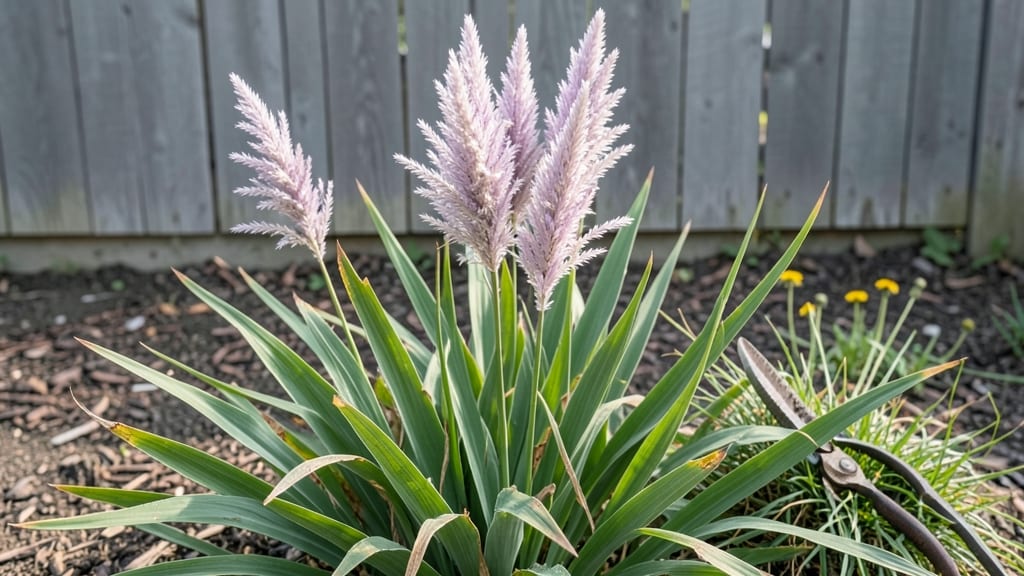
Removing pampas grass (Cortaderia selloana) starts with understanding its stubborn roots—those fibrous strands spread deeper than you’d expect. 🌱 I’ve wrestled with this invasive plant for years, and the root-cutting method is the only way to guarantee it doesn’t bounce back.
The key is timing: tackle it in early spring before new growth begins, when the soil is soft enough to expose those tenacious roots without tearing up your entire garden.
You’ll need a sharp spade, heavy-duty gloves, and patience—this isn’t a quick weekend project. Dig around the base in a wide circle, cutting through roots at least 12 inches deep to prevent regrowth.
The goal is to remove 90% of the root system, even if it means leaving some behind temporarily. For stubborn clumps, a hula hoe works better than a shovel to sever roots without uprooting surrounding plants.
Once you’ve exposed the roots, pull them out by hand—don’t just chop and leave them. Burn or bag the debris immediately to stop seed dispersal, which is how pampas grass spreads like wildfire.
After clearing the area, monitor for new shoots for at least a year, as dormant roots can sprout. For extra insurance, apply a mulch layer of cardboard or landscape fabric to block sunlight from any missed fragments.
Herbicides like glyphosate can help in stubborn cases, but they’re a last resort—always follow label instructions carefully. The root-cutting method works best for eco-conscious gardeners who want to avoid chemicals.
With persistence, your garden will reclaim its space, free from those towering, seed-spewing invaders. The satisfaction of a clean slate is worth the effort.
Why it happens
Pampas grass (Cortaderia selloana) may look stunning in landscapes, but its invasive tendencies can quickly turn it into a nuisance. Understanding why it spreads aggressively is the first step to reclaiming your yard. Here’s why this ornamental grass takes over so easily:
🌱 Aggressive Rhizome Growth
Pampas grass spreads primarily through rhizomes—underground horizontal stems that produce new shoots. These rhizomes can grow up to 10 feet per year under ideal conditions, sending out shoots that quickly establish themselves as independent plants.
Unlike some grasses, pampas grass rhizomes are not easily contained by traditional barriers, allowing them to creep into lawns, gardens, and even cracks in pavement.
🌪️ Wind-Dispersed Seeds
Beyond its underground network, pampas grass also spreads via fluffy seed plumes that travel on the wind. A single mature plant can produce thousands of seeds, each capable of germinating in disturbed soil.
These seeds can hitchhike on clothing, pets, or vehicles, colonizing new areas far from the original plant. In coastal or open areas, wind dispersal becomes even more efficient, turning a single plant into a regional invasion within a few years.
🌿 Fast Adaptation to Disturbed Soils
Pampas grass thrives in poor, compacted, or disturbed soils, making it a common weed in construction sites, roadsides, and neglected yards. Its deep root system allows it to outcompete native plants for water and nutrients, while its drought tolerance lets it survive in areas where other vegetation struggles.
Once established, it forms dense thickets that block sunlight, further suppressing competing plants.
🌍 Lack of Natural Predators
Unlike native grasses, pampas grass has few natural predators or diseases in its adopted regions (e.g., the U.S.). While deer and some insects may nibble on it, they rarely control its spread.
Additionally, its high toxicity (due to compounds like cortaderin) deters herbivores, allowing it to dominate without ecological checks.
🔥 Human Activity Acceleration
People often unintentionally spread pampas grass through:
- Landscaping choices: Planting it for ornamental purposes without containment.
- Seed dispersal: Tossing seed plumes into compost piles or wind-blown areas.
- Rhizome fragments: Accidentally transplanting root pieces during yard work.
- Erosion control: Using it to stabilize slopes without realizing its invasive potential.
Even well-intentioned gardeners can become part of the problem if they don’t understand its spread mechanisms.
Practical Ways to Remove Pampas Grass
Now that you understand why pampas grass can be so invasive, let’s tackle the real question: how to get rid of it for good. The key is a combination of manual removal, chemical control (if needed), and prevention to stop regrowth.
Below are targeted solutions based on the most common issues—whether your pampas grass is spreading uncontrollably, dying back, or just refusing to leave.
🔥 Manual Removal: Digging Out the Roots
If your pampas grass is still young or localized, physical removal is the most effective method—but you must get the roots. Partial roots left behind will sprout new plants.
Step-by-Step Root Extraction
🔪 Cut the plant at the base – Use pruners or shears to trim the stems about 2 inches above the ground. This makes the plant easier to pull.
👨🍳 Dig deeply with a shovel or mattock – Pampas grass roots can extend 3–4 feet deep and spread horizontally. Work the soil around the plant to loosen roots before pulling.
⏰ Pull in sections – Grasp the base and wiggle the plant while pulling upward. If resistance is strong, dig deeper. Avoid breaking roots—this encourages regrowth.
🌱 Inspect the roots – Look for any remaining root fragments. Even a small piece can regenerate. Burn or bag all plant material (never compost it!).
💡 Pro Tip: Wear gloves—pampas grass leaves can be sharp and irritating to the skin.
🌡️ Chemical Control: When Manual Isn’t Enough
For large infestations or when roots are too deep, herbicides can help. Glyphosate (a non-selective systemic herbicide) is the most effective for killing pampas grass.
How to Apply Herbicide Safely
✅ Choose the right product – Look for glyphosate-based herbicides (e.g., Roundup). Follow label instructions carefully.
🍃 Apply on a warm, wind-free day – Spray the entire plant, including stems and leaves, until fully saturated. Avoid overspraying nearby plants.
⏳ Wait for full absorption – It may take 1–2 weeks for the plant to wilt and die. Do not dig up roots yet—the herbicide needs time to travel through the plant system.
🔪 Dig out the dead plant – Once the plant is brown and crispy, remove the roots as described above. The herbicide weakens the root system, making extraction easier.
⚠️ Safety First:
- Wear protective gear (gloves, goggles, long sleeves).
- Keep pets and children away until the area is fully treated and dried.
- Never apply herbicide to flowering plants—it can harm beneficial pollinators.
🎯 Prevention: Stopping Regrowth for Good
Even after removal, pampas grass can resprout from tiny root fragments. Here’s how to prevent future invasions:
🌱 Soil Treatment After Removal
🔥 Solarize the soil (for extreme cases):
- Cover the area with clear plastic sheeting for 4–6 weeks in hot sun. This bakes out remaining roots and seeds.
- Remove the plastic, then dig up any new sprouts.
🌡️ Apply a pre-emergent herbicide (optional):
- Products like corn gluten meal or pre-emergent granules can prevent new growth from seeds or root fragments.
🌿 Long-Term Landscape Strategies
🚫 Avoid planting pampas grass again – It’s highly invasive and nearly impossible to control in the long run.
🌱 Replace with non-invasive alternatives – Consider ornamental grasses like fountain grass, switchgrass, or muhly grass for a similar look without the hassle.
🌳 Mulch heavily – A 3–4 inch layer of mulch (wood chips or gravel) suppresses weeds and prevents new shoots from emerging.
💡 Pro Tip: If you’re unsure whether a sprout is pampas grass, dig it up and check the roots. A single missed root can lead to a full-blown regrowth in months.
✨ When to Call a Professional
If your pampas grass infestation is large, deep-rooted, or near structures, consider hiring a landscaping or pest control professional. They have access to industrial-strength herbicides and tools like root saws for stubborn cases.
Final Checklist for Success
Before calling it a win, verify your work with these steps: ✅ Monitor the area for 6–12 months – New sprouts may appear even after removal. ✅ Re-treat any regrowth immediately – Don’t let small shoots turn into full plants. ✅ Keep the soil disturbed – Regularly check for new growth, especially in spring and fall (peak regrowth seasons).
By combining manual removal, herbicide treatment (if needed), and diligent prevention, you can completely eliminate pampas grass from your yard—permanently. 🚀
Frequently asked questions
How do I know if I’ve completely removed all the pampas grass roots?
Check for any remaining root fragments by carefully inspecting the soil after removal. Even a small piece can regrow—look for white, fibrous roots. For extra assurance, monitor the area for new shoots for at least 6 months. If you spot any, dig them up immediately. Pro tip: Wear gloves and use a root rake to uncover hidden pieces.
Can I use vinegar to kill pampas grass instead of chemical herbicides?
Vinegar can kill young pampas grass plants, but it’s not reliable for established ones due to its shallow penetration. Use undiluted white vinegar (20-30% acetic acid) on a sunny day, spraying directly on leaves and stems. Repeat weekly for 2-3 weeks. For deep roots, vinegar alone won’t work—you’ll still need to dig. For stubborn cases, combine vinegar with dish soap to improve adhesion.
Why does pampas grass keep coming back even after I’ve removed it?
Pampas grass spreads through both rhizomes (underground stems) and wind-dispersed seeds. Even tiny root fragments left in the soil can regrow. Additionally, seeds can travel far and germinate in disturbed areas. To prevent regrowth, solarize the soil (cover with plastic for 4-6 weeks) or apply a pre-emergent herbicide after removal. Always check for new shoots in spring and fall.
Is it safe to compost pampas grass clippings or roots?
No, you should never compost pampas grass material—even small root pieces or seed plumes can survive and regrow. Instead, bag and dispose of all plant debris in the trash or burn it (if local regulations allow). For large quantities, check with your waste management for proper disposal options. This prevents accidental spread to new areas.