
Pruning
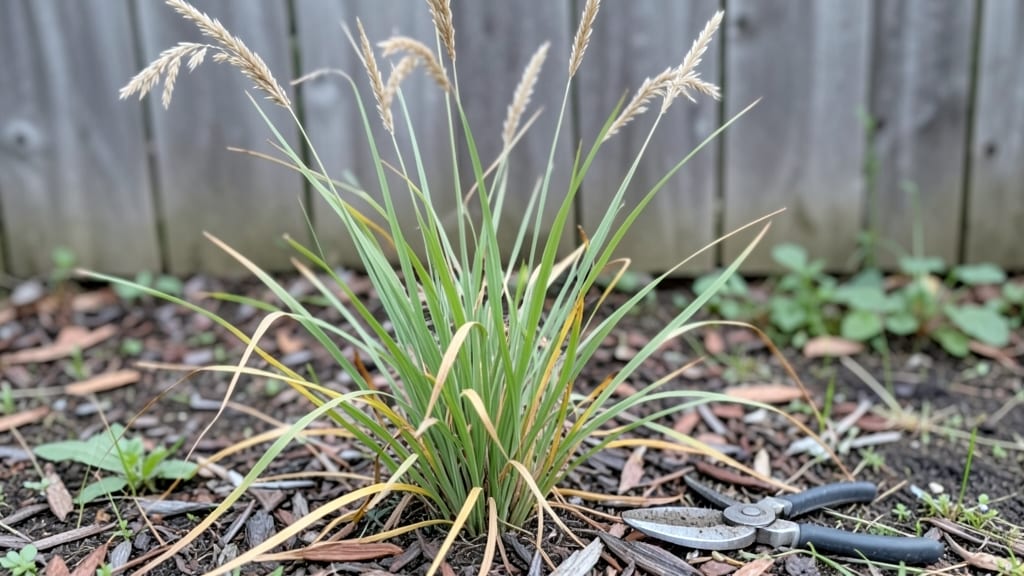
Cutting back fountain grass transforms your yard from shaggy mess to structured beauty—here’s how to do it right. ✨ I’ve learned the hard way that timing and technique make all the difference, especially when you want that sleek, architectural look without sacrificing next year’s growth.
You’ll need sharp pruners or a hedge trimmer, gloves, and a clear morning when the grass is dry. Most varieties thrive when cut back in late winter or early spring, but tropical types can handle light trims year-round.
The key is never cutting below the crown—this keeps the plant healthy and prevents dieback.
Start by removing dead or damaged foliage first, then shape the remaining growth into a clean, tapered form. For a foolproof finish, step back every few minutes to check your angles. The result? A fountain grass that looks intentional, not overpruned, and bounces back stronger than ever.
Pro tip: If your grass looks bare after cutting, don’t panic—new shoots will emerge from the base within weeks. And if you’re in a warm climate, a light trim in fall can prevent flopping. Ready to give your grass a fresh start?
📚 In This Guide
- What you need
- Instructions
- Tips and common mistakes
- Wrapping up and next steps
What you need
- ○ Pruning shears or hedge clippers – Choose sharp, bypass-style shears (4–6" blades) for clean cuts. Optional: Heavy-duty loppers for thicker stalks.
- ● Gloves – Garden-grade, cut-resistant gloves (size medium/large) to protect hands from jagged edges.
- ● Pruning saw – Only if your grass has thick, woody stalks (8–10" blades with serrated teeth).
- ● Rake or leaf blower – A bow rake (12–18" teeth) or leaf blower to clear debris afterward.
- ● Wheelbarrow or tarp – For hauling clippings (5–10 sq. ft. coverage).
- ○ Knee pads or stool – Optional but helpful for comfort during long pruning sessions.
- ● Timing – Prune in late winter/early spring (before new growth) or fall (after frost). Avoid cutting in extreme heat.
- ● Weather check – Choose a dry, calm day (no rain for 24–48 hours before/after).
- ● Safety first – Wear long sleeves/pants to avoid scratches from sharp blades.
- ● Hydration & snacks – Water bottle and high-energy snacks (trail mix, fruit) for endurance!
Step-by-step instructions for reviving fountain grass year-round
Here's how I keep fountain grass looking lush without the guesswork—just sharp cuts and timing.
✂️ Step 1: Time Your First Cut for Late Winter
Wait until late winter or early spring when new growth starts but before the grass shoots more than 4-6 inches. You'll see fresh green shoots at the base—this is your signal. Cutting too early can leave dead growth, while waiting too long makes the job harder.
Use sharp bypass pruners or hedge shears to cut back one-third of the plant's height. I like to leave 6-8 inches of growth to ensure the plant has enough energy to rebound. Avoid cutting into old, brown stems—they'll snap off easily, leaving a cleaner look.
✂️ Step 2: Shape Gradually Through the Growing Season
After the first cut, monitor the grass's growth. Once it reaches 12-18 inches, trim again to maintain its natural shape. I prefer shaping in stages rather than one heavy cut—this prevents stress and keeps the plant healthy.
Use the same tools to trim the outer edges first, then work inward. Keep the center slightly taller than the edges to encourage a fuller, fountain-like appearance. If you notice any dead or discolored fronds, remove them completely to improve airflow and prevent disease.
✂️ Step 3: Late Summer Renewal Cut
In late summer, give your fountain grass another light trim to encourage fresh growth before winter. Cut back about 25-30% of the plant's height, focusing on any straggly or overgrown sections. This helps the grass prepare for dormancy without losing its structure.
I avoid heavy cuts in fall because the grass needs time to harden off. Instead, I remove only the dead or damaged parts, leaving the healthy growth intact. This keeps the plant looking tidy while allowing it to store energy for next year.
✂️ Step 4: Light Winter Maintenance
During winter, remove only the completely dead or brown fronds—never cut into live growth. You'll know what to remove by how easily it snaps off. This keeps the plant looking neat without shocking it into early growth.
If you live in a mild climate, a light trim in early spring before new shoots appear is all you need. In colder areas, a single cut in late winter is enough. The key is to work with the grass's natural cycle, not against it.
Tips & tricks for perfect fountain grass revival
Keeping fountain grass lush all year isn't rocket science—just a few smart timing tricks and tool know-how.
Timing is Everything: The late winter/early spring cut is your secret weapon. I wait until I see those fresh green shoots at the base—about 4-6 inches tall. This timing ensures you're cutting back just enough to encourage new growth without removing too much of the plant's energy reserves. Think of it like pruning roses: you want to cut just above a leaf node where new growth can emerge.
Tool Matters More Than You Think: Sharp bypass pruners or hedge shears make all the difference. Dull blades crush stems instead of cleanly cutting them, which can damage the plant. I always test my tools on a few fronds first—if they're not cutting cleanly, they're not ready. And never use regular scissors or shears designed for paper—they'll tear the grass fibers.
Shape with Purpose: When maintaining the fountain shape, work from the outside in. Trim the outer edges first to create that signature curved silhouette, then gradually work toward the center. Keeping the center slightly taller than the edges helps maintain that full, cascading look. I like to think of it like sculpting—you're shaping the plant's natural growth pattern rather than forcing it into an unnatural shape.
Seasonal Strategy: The late summer renewal cut is often overlooked but crucial. This light trim helps the grass prepare for dormancy while still allowing enough time to harden off. I focus on removing only the straggly sections and dead fronds—never more than 25-30% of the plant's height. This small intervention makes a big difference in how fresh the grass looks when spring arrives.
Pro Tips for Cutting Back Fountain Grass
- Keeping fountain grass lush all year isn't rocket science—just a few smart timing tricks and tool know-how.
- Timing is Everything: The late winter/early spring cut is your secret weapon.
- Tool Matters More Than You Think: Sharp bypass pruners or hedge shears make all the difference.
Frequently asked questions
When is the best time to cut back fountain grass?
Late winter or early spring (just before new growth starts) is ideal. If you live in a mild climate, wait until after a hard frost—this prevents shocking the plant. Never cut back in fall, as it removes vital winter protection.
How short can I cut fountain grass?
Trim to 6–12 inches above the ground for a clean look. Avoid cutting too low (below 6 inches), as this can damage the crown and stunt regrowth. Use sharp pruners or a string trimmer for clean cuts.
What if my fountain grass looks dead after cutting?
Don’t panic! If the base is still firm (not mushy), it’s alive. Water lightly and wait for new shoots (usually 2–4 weeks). If the center is hollow or rotting, the plant may be beyond saving—replace it next season.
Can I cut back fountain grass in summer?
Only if it’s severely overgrown or diseased. Summer pruning stresses the plant and can invite pests. If you must trim, do it early morning to reduce heat shock, and water thoroughly afterward.
What’s a good alternative if I hate pruning fountain grass?
Try low-maintenance grasses like Miscanthus sinensis (which self-cleans) or Carex sedges. For bold foliage without pruning hassles, consider ornamental grasses like Pennisetum (fountain grass’s cousin) or Andropogon.
Wrapping up and next steps
Cutting back fountain grass is a simple yet rewarding task that keeps your yard looking vibrant and well-maintained year-round!
Whether you’re trimming in late winter or early spring, the key is patience and precision—your efforts will pay off with lush, healthy growth. Now that you’re armed with the right tools and techniques, it’s time to roll up your sleeves and give your fountain grass the care it deserves! 🌿
Ready to take the next step? Mark your calendar for your next pruning session—consistency is the secret to stunning results. Happy gardening! 🌱