
Lawn
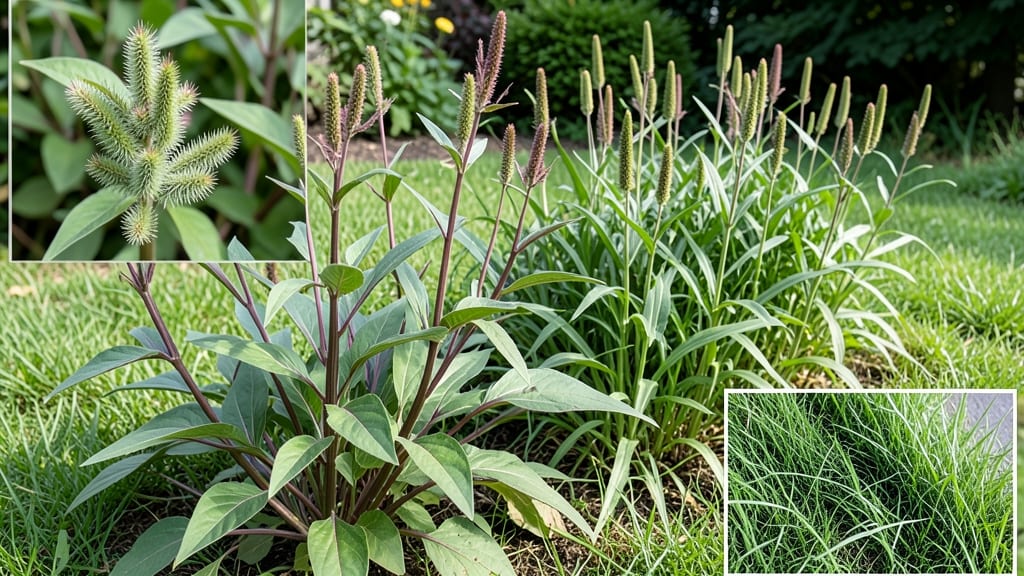
Pigweed in your lawn isn't just an eyesore—it's a stubborn, fast-growing weed that chokes out grass and makes mowing a nightmare. 🌱 I’ve wrestled with these deep-rooted invaders for years, and I’ve finally cracked the code on removing them without wrecking your knees or your grass.
The key is timing and technique: pull when soil is moist (after rain or watering), grasp the base firmly, and yank with a twist to break those taproots. A weed puller tool saves your back and makes the job 10x faster—no more digging with your fingers.
For large patches, spot-treat with vinegar-based herbicide (mix 1 gallon vinegar, 1 cup dish soap, and 1 cup salt) for organic control. By late summer, your lawn will look like it’s finally winning the battle—no more bald spots or that "wildflower" look you didn’t ask for.
The secret? Consistency. Check for new sprouts weekly, and you’ll keep them from taking over again. Works in any yard, from sunny backyards to shady patches. Here’s how to make it permanent—without the backache.
Root Causes of Lawn Invaders
If you’ve ever spotted pigweed (or its close relatives like lambsquarters or amaranth) popping up in your lawn, you’re not alone. These resilient weeds thrive in conditions that many homeowners accidentally create.
Understanding why they appear is the first step to stopping them—without resorting to harsh chemicals or endless pulling sessions. Let’s break down the science behind their persistence.
Pigweed and similar weeds are opportunistic survivors. They flourish in soil that’s either too compacted, nutrient-poor, or over-fertilized—all of which weaken your grass and leave gaps for weeds to exploit.
- Compacted Soil: Heavy foot traffic, machinery, or clay-heavy soil crushes grass roots, reducing their ability to compete. Pigweed, with its shallow but widespread root system, slips into these open spaces like a thief in the night.
- Low Organic Matter: Soil lacking compost or decomposed plant material struggles to retain moisture and nutrients. Weeds like pigweed have fast germination rates (some seeds sprout in just 3–5 days) and outcompete slow-growing grass.
- Over-Fertilization: Too much nitrogen (common in fast-release lawn fertilizers) promotes top-heavy grass growth while starving roots. Pigweed, meanwhile, thrives on mineral-rich but unbalanced soil, especially if phosphorus is high.
Actionable Fix: Test your soil’s pH and nutrient levels (aim for 6.0–7.0 pH and balanced N-P-K ratios). Aerate compacted areas in spring or fall and top-dress with 1–2 inches of compost to crowd out weeds naturally.
Watering habits play a huge role in pigweed proliferation. These weeds love moisture, but not the kind that keeps grass healthy. Here’s how you’re accidentally helping them:
| Problem | Why It Helps Weeds |
|---|---|
| Overwatering (e.g., daily light sprinkles) | Keeps soil consistently damp, creating ideal conditions for pigweed seeds to germinate and sprout rapidly. |
| Underwatering (e.g., drought stress) | Weakens grass roots, leaving bare spots where pigweed’s deep taproots can establish dominance. |
| Inconsistent Watering (e.g., deep soaks followed by dry spells) | Encourages seed dormancy break—pigweed seeds lie in wait until moisture fluctuates, then germinate in mass waves. |
Actionable Fix: Water deeply but infrequently—aim for 1–1.5 inches per week (including rain). Use a soaker hose or drip irrigation to avoid wetting leaves (which spreads disease). Early morning watering (4–8 AM) reduces evaporation and fungal growth.
Grass isn’t the only plant fighting for space in your lawn—it’s also competing with thousands of weed seeds lurking in the soil. Pigweed, in particular, can produce up to 200,000 seeds per plant, many of which lie dormant for years until conditions are right.
- Disease or Pest Damage: Fungal infections (like brown patch or dollar spot) or grubs eating roots create dead patches. Pigweed seeds detect bare soil and germinate within days.
- Improper Mowing: Cutting grass too short (below 2–3 inches) stresses roots and exposes soil. Taller grass shades out weeds by competing for sunlight.
- Slow Germination of Grass Seed: If you’re overseeding, pigweed seeds may sprout faster than your grass, giving them a head start. Cool-season grasses (like fescue) take 14–21 days to germinate, while pigweed can appear in 3 days.
Actionable Fix:
- Mow at 3–4 inches to crowd out weeds and retain moisture.
- Pre-treat bare spots with a corn gluten meal (natural pre-emergent) before overseeding.
- Choose fast-germinating grass seed mixes (e.g., annual ryegrass) if you’re repairing patches in warm months.
Pigweed doesn’t just appear—it’s deliberately spread by human activity. Its seeds are lightweight but highly mobile, hitching rides on:
- Wind: A single pigweed plant can release seeds up to 13 feet away in a strong breeze. That’s why it often appears in clusters.
- Water: Rain or irrigation washes seeds into lawn crevices, while runoff from sidewalks or driveways deposits them in new areas.
- Equipment: Mowers, rakes, and even shoes transport seeds from one part of the lawn to another. One study found that mower blades can spread pigweed seeds 50+ feet in a single pass!
- Animals/Birds: While less common, birds may eat the seeds and disperse them in their droppings.
Actionable Fix:
- Clean mower decks and tools after each use with a stiff brush or soapy water.
- Avoid blowing leaves into flower beds—seeds hide in thatch and get redistributed.
- Isolate infested areas by mowing first (to cut seed heads) before treating.
Now that you know why pigweed takes over, the next step is how to outsmart it. The good news? A few strategic tweaks to soil, water, and lawn care can turn your yard into a weed-resistant fortress—without breaking your back (or your budget).
Stay tuned for our grass-friendly removal tactics next!
Grass-Friendly Weed Removal Tactics
Now that you know why pigweed (or any stubborn weed) invades your lawn, it’s time to tackle it—without the backache or the harsh chemicals. Below, we’ll break down practical, step-by-step solutions tailored to the most common causes of pigweed outbreaks.
Each fix is designed to be effective, eco-friendly, and easy on your lawn (and your joints!).
Cause: Thin grass or poor soil lets weeds thrive. Fix: Strengthen your grass so it outcompetes pigweed naturally.
- 🌱 Step 1: Test Your Soil Use a DIY soil test kit (available at garden centers) to check pH and nutrient levels. Pigweed loves acidic or nutrient-poor soil—aim for a pH of 6.0–7.0 and balanced NPK (nitrogen, phosphorus, potassium).
- 💧 Step 2: Water Deeply & Less Often Weeds like pigweed thrive in shallow, frequent watering.
Instead: - Water early in the morning (4–6 AM). - Apply 1–1.5 inches per week, letting the top 3–4 inches of soil dry between sessions. - Use a soaker hose or sprinkler to avoid wetting leaves (which fuels fungal diseases).
- 🌿 Step 3: Over-Seed Bare Spots Choose a dense, competitive grass like tall fescue or Kentucky bluegrass.
Spread seed in early fall (ideal germination temps) and keep the area moist until sprouts appear (about 2–3 weeks). - Pro Tip: 💡 Mix seed with a starter fertilizer (low nitrogen, high phosphorus) to encourage root growth.
- 🍄 Step 4: Apply Organic Mulch A 2–3 inch layer of compost or shredded leaves smothers weeds while improving soil. Reapply annually in spring.
Cause: Pigweed spreads quickly—pulling it wrong makes it worse. Fix: Remove it before it seeds (when plants are young and moist).
- 👨🍳 Step 1: Pull at the Right Time - Best time: Early morning (soil is soft) or after rain. - Tool up: Use a weed puller, hori-hori knife, or dandelion digger to avoid bending over too much. - Grip it right: Hold the weed 1–2 inches from the base and wiggle it free—roots and all.
Breakage = regrowth!
- 🔪 Step 2: Smother or Bag It
- Small patches? Pull weeds and drop them in the trash (don’t compost—they’ll resprout).
- Large infestations? Lay down cardboard + mulch (see below) to block sunlight.
- ⏰ Step 3: Stay Consistent Check your lawn weekly for new sprouts. Pigweed can grow 1 inch per day—don’t let it go to seed!
Cause: Persistent weeds in high-traffic or shaded areas. Fix: Starve them of sunlight and resources.
- 🔥 Step 1: Solarize the Soil (For Small Areas)
- Cover the infested patch with clear plastic sheeting for 4–6 weeks in hot weather (75°F+).
- Weeds die from heat buildup—then reseed or replant.
- Warning: Only works in sunny climates; not ideal for shady lawns.
- 🏗️ Step 2: Cardboard + Mulch Barrier
- Lay unwaxed cardboard or thick newspaper over the area.
- Wet it down, then top with 3–4 inches of mulch (wood chips or straw).
- Weeds decompose in 4–6 weeks; grass can grow through the mulch over time.
- 🌿 Step 3: Corn Gluten Meal (Pre-Emergent)
- Apply 20 lbs per 1,000 sq ft in early spring (before weeds sprout).
- How it works: Blocks weed seeds from germinating while feeding grass.
- Limit: Won’t kill existing weeds—use for prevention.
Cause: Large, established infestations where manual methods fail. Fix: Use selective herbicides sparingly and strategically.
- 💊 Step 1: Choose the Right Herbicide - Glyphosate (e.g., Roundup): Kills everything—use only on bare soil before reseeding. - Selective herbicides (e.g., 2,4-D or dicamba): Target broadleaf weeds without harming grass.
Best for pigweed in established lawns. - Natural options: Vinegar + dish soap spray (50/50 mix)—kills weeds on contact but also grass (use in cracks or driveways).
- 🎯 Step 2: Apply Precisely
- Spot-treat only the pigweed (avoid overspray on grass).
- Best time: Mornings with no wind—herbicide works best when leaves are dry.
- Reapply if rain occurs within 24 hours.
- ✨ Step 3: Follow Up
- After herbicide use, reseeds the area within 3–5 days to prevent bare spots.
- Monitor for regrowth—pigweed can be tough!
Once you’ve cleared pigweed, stop it from coming back with these habits:
- ⏳ Mow High: Keep grass at 3–4 inches—taller grass shades out weeds.
- 🌱 Feed Your Grass: Apply slow-release fertilizer in early fall (not spring).
- 🚫 Don’t Overwater: Weeds thrive on moisture—water deeply but infrequently.
- 🧹 Clean Equipment: Rinse mowers and rakes after use to avoid spreading seeds.
- 🔍 Inspect New Plants: Buy weed-free mulch and soil from reputable sources.
Final Thought: Pigweed is a tough opponent, but with the right mix of prevention, manual removal, and smart lawn care, you can reclaim your yard—without the back pain or harsh chemicals.
Start with the method that fits your lawn’s current state, and soon, you’ll have a weed-free, lush carpet underfoot!
Frequently asked questions
Why does pigweed keep coming back after I pull it?
Pigweed has deep taproots and produces thousands of seeds that can lie dormant for years. If you don’t remove the entire root, it regrows. Even small root fragments left in the soil can sprout new plants. Always pull from the base and check for remaining roots—especially in moist soil after rain.
Can I use vinegar to kill pigweed without harming my grass?
Vinegar works best as a spot treatment for pigweed in driveways or sidewalks, but it’s too harsh for grass. For lawns, mix 1 gallon vinegar + 1 cup dish soap + 1 cup salt and apply only to weeds on a calm day. Avoid overspray—it’ll kill grass too. For grassy areas, use selective herbicides like 2,4-D instead.
How do I tell pigweed apart from other weeds like lambsquarters?
Pigweed has arrow-shaped leaves with noticeable veins and grows in clusters. Lambsquarters has softer, more rounded leaves and a grayish bloom. Both produce seed pods, but pigweed’s are more elongated. Check the leaf shape first—pigweed’s are more angular and pointed.
Is pigweed edible like other "wild greens"?
Yes! Young pigweed leaves are nutrient-rich and safe to eat when cooked. Harvest only young shoots (before they flower) and cook thoroughly to remove oxalates. Avoid plants near roads or treated lawns. Some cultures use it in soups or stir-fries—just don’t confuse it with poisonous lookalikes like nightshade.
Why does pigweed spread so fast in my lawn?
Pigweed thrives in compacted or nutrient-poor soil where grass struggles. Its seeds germinate in just 3–5 days and spread via wind, water, or equipment. Common triggers include overwatering, mowing too short (below 2 inches), or using high-nitrogen fertilizers that weaken grass roots.