
Lawn
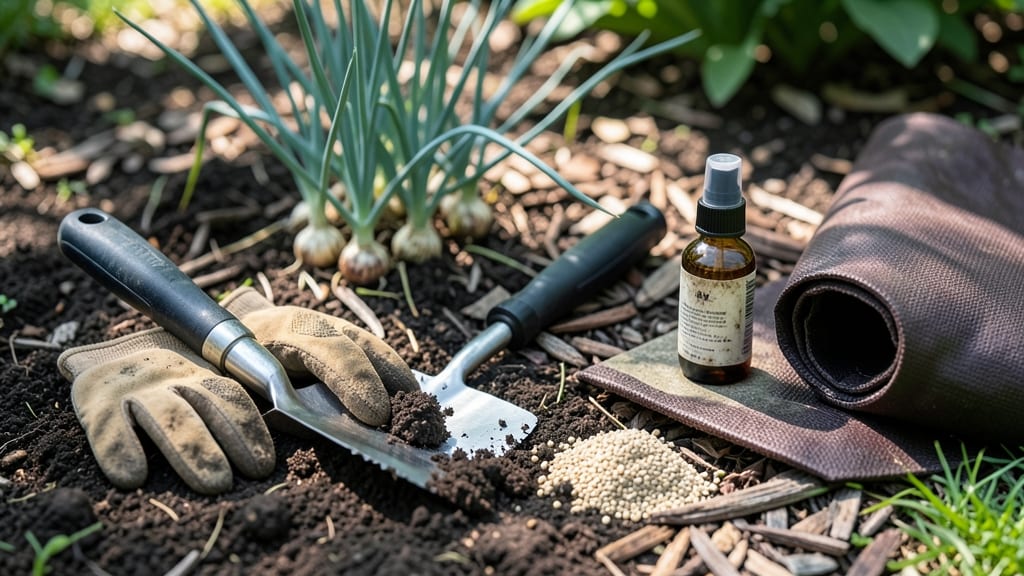
Wild onions in your lawn mean it's time for a root-out removal plan—this is how you reclaim your grass. 🌱 I've spent years battling these tenacious weeds, and the key is getting every last root, not just the tops.
Most people give up after one season, but with the right approach, you can eliminate them for good within 3-4 months of consistent effort.
The problem starts with those sneaky underground bulbs that regrow even after mowing. They thrive in sunny lawns with poor soil, and once established, they spread aggressively. My first attempt with just pulling weeds failed—until I learned the 3-step method that actually works: dig, smother, and prevent.
It's not quick, but it's simple and chemical-free when you do it right.
By the end of summer, you'll have a lawn free of those pungent onion shoots and no more regrowth next spring. The grass will fill in faster, and you'll breathe easier without those sharp onion smells when you mow.
This method works for both small patches and large lawns—just start with the worst areas first.
Timing matters most: tackle this in early spring before new growth starts or in late summer when weeds are stressed. We'll cover all the tools you'll need and exactly how to spot those hidden bulbs—no more guessing games.
Let's get your lawn back to looking like grass, not an onion patch.
Hidden Triggers Invading Your Lawn
Wild onions don’t just appear out of nowhere—they’re sneaky survivors that thrive thanks to a mix of environmental factors and human habits. Understanding why they take over your lawn is the first step to stopping them in their tracks.
Let’s break down the science behind their persistence and how they exploit your yard’s weaknesses.
Wild onions (often Allium vineale or Allium canadense) are masters of stealth. Their tiny, black seeds can:
- Hitch rides on animals, shoes, or lawn equipment, landing in fresh soil where they germinate.
- Lay dormant for years in the seed bank—waiting for the perfect conditions (like disturbed soil or sunlight) to sprout.
- Produce hundreds of seeds per plant, ensuring a relentless cycle of regrowth unless you intervene early.
Pro tip: 💡 A single wild onion plant can drop 200–500 seeds—so one overlooked clump can turn into a full-blown infestation in a season.
Wild onions love lawns that mimic their natural habitats—dry, compacted, or nutrient-poor soil with:
- Full sun exposure (they thrive in 6+ hours of direct sunlight daily).
- Poor drainage (they tolerate drought but also flourish in soggy spots).
- Low mowing heights (their leaves stay hidden until they’re tall enough to poke through).
Why it matters: If your lawn is stressed (from drought, overwatering, or poor soil), wild onions seize the opportunity to fill the gaps. Think of them as nature’s opportunistic weeds—they don’t need rich soil to survive, just a chance to take root.
Even well-maintained lawns can become wild onion magnets if:
- You overseed without prepping the soil—disturbing the ground can wake up dormant seeds.
- You use heavy equipment (like aerators or tillers) that churns up seeds buried deep in the soil.
- You ignore small patches—letting them flower and seed means more work later.
Warning: 🚨 Mowing too short (below 3 inches) doesn’t kill wild onions—it just encourages them to spread via underground bulbs and rhizomes.
Wild onions don’t just grow from seeds—they also spread via:
- Bulbs (like garlic) that store energy and regrow year after year.
- Rhizomes (horizontal roots) that send up new shoots even if you mow the tops.
Science alert: These bulbs can survive 5+ years in the soil, making them harder to eradicate than annual weeds. That’s why spot-treatment fails—you need to dig deep to break their cycle.
Believe it or not, wild onions can benefit from:
- Grub infestations (like Japanese beetle larvae), which weaken grass roots, giving onions more space to grow.
- Fungal diseases in lawns that thin out turf, creating bare spots where wild onions move in.
Key takeaway: 🎯 A healthy lawn is your best defense—thick, competitive grass starves out wild onions by blocking sunlight and nutrients.
How to solve it
Wild onions may seem harmless, but their persistence can turn your lawn into a patchwork of unwanted greenery. The good news? With the right approach, you can reclaim your yard—without resorting to harsh chemicals.
Below, we’ve mapped out targeted solutions based on the most common causes of wild onion infestations, along with actionable steps to eliminate them for good.
Best for: New growth, isolated patches, or when onions are still young (before they bulb).
Why it works: Wild onions thrive on their ability to spread undetected. Catching them early means less work and fewer regrowth cycles.
How to do it:
- 🔥 Wait for the right time – Pull when the soil is moist (after rain or watering) to avoid breaking the roots.
- 👨🍳 Grab the base – Use gloves (wild onions can irritate skin) and pull firmly from the root. A trowel helps loosen stubborn clumps.
- 🗑️ Dispose properly – Do not compost the pulled onions (they’ll regrow!). Seal them in a bag and trash them.
- 🌡️ Monitor the area – Check weekly for new shoots, especially in sunny, well-drained spots.
✨ Pro tip: If pulling feels tedious, try a garden fork to lift larger patches in one go—just be thorough!
Best for: Large areas, thick clusters, or when pulling isn’t practical.
Why it works: Wild onions need sunlight to grow. Blocking it starves them out over time.
How to do it:
- 🥘 Cover the area – Lay down cardboard, thick layers of newspaper, or black plastic directly over the onions. Secure with rocks or mulch to prevent wind from lifting it.
- 🌞 Wait 4–6 weeks – The onions will decompose without sunlight. For stubborn spots, extend to 8 weeks.
- 🔪 Remove debris – Once the area is bare, rake out the dead matter and reseed or replant.
- 🌱 Prevent regrowth – Apply a pre-emergent herbicide (like corn gluten meal) to block new seeds from sprouting.
💡 Warning: Avoid smothering in shady or wet areas—moisture can cause mold or attract pests.
Best for: Persistent onions in high-traffic lawns or when organic methods fail.
Why it works: Natural herbicides target onion growth without harming grass or the environment.
Top options:
| Method | How to Apply | Effectiveness | Best For |
|---|---|---|---|
| Vinegar + Dish Soap | Mix 1 gallon white vinegar + 1 tbsp dish soap. Spray directly on leaves (avoid grass). Repeat weekly. | Moderate (works in 2–4 weeks) | Small patches, driveways |
| Corn Gluten Meal | Spread 20 lbs per 1,000 sq ft in early spring. Water lightly. | Prevents seeds (not existing plants) | Long-term prevention |
| Boiling Water | Pour boiling water directly on the base of pulled onions. | Fast (kills roots immediately) | Isolated clumps |
⚠️ Caution: Vinegar can burn grass—spot-treat only and avoid windy days.
Best for: Lawns with years of onion buildup or when onions have spread underground via rhizomes.
Why it works: Wild onions can send out underground stems (rhizomes) that regrow if left intact. Tilling breaks these connections.
How to do it:
- 🔪 Rent or buy a tiller – Set it to a shallow depth (2–3 inches) to avoid damaging grass roots.
- 🌱 Till the entire infested area – Focus on where onions are thickest. This disrupts their root network.
- 🌿 Reseed immediately – After tilling, spread grass seed or clover to fill bare spots.
- 💧 Water deeply – Keep the soil moist for 2 weeks to help new grass establish.
💡 Pro tip: If tilling isn’t an option, rent a sod cutter to remove a thin top layer of soil (where most rhizomes live), then replant.
Once you’ve cleared the wild onions, keep them from returning with these strategies:
- 🌡️ Mow high – Set your lawnmower to 3–4 inches to shade the soil and discourage onion seeds from germinating. - 🌱 Improve soil health – Wild onions love poor, compacted soil.
Aerate annually and add compost to make your lawn more resilient. - 🚫 Stay vigilant – Pull any new shoots immediately—don’t wait for them to bulb! - 🌿 Plant competitive ground covers – Clover, creeping thyme, or dense grass outcompetes wild onions for space.
Final Thought: Wild onions may be tough, but they’re not unbeatable. Start with hand-pulling or smothering for small areas, and till or use natural herbicides for larger invasions. With consistency, your lawn will be onion-free in no time—and you’ll save money on those pricey lawn treatments! 🚀
Frequently asked questions
Why do wild onions keep coming back even after I pull them?
Wild onions spread through underground bulbs and rhizomes that can survive for years. When you only remove the tops, these hidden roots regrow. Always pull from the base and check for secondary shoots—even a tiny piece left behind can sprout again.
Can I use regular vinegar to kill wild onions without harming my lawn?
Spot-treating with 1 gallon white vinegar + 1 tbsp dish soap works, but be careful! Vinegar burns grass, so only spray directly on the onion leaves (not the surrounding lawn). For large areas, smothering with cardboard or plastic is safer for your turf.
How do I know if my lawn has wild onions or just regular grass?
Wild onions have long, flat leaves with a hollow stem (like green onions) and a distinctive onion smell when crushed. Grass leaves are round, solid, and don't have that sharp odor. Pull a few suspicious plants—if they smell like onions, you've found your culprits!
Is tilling my lawn the best way to eliminate wild onions?
Tilling helps, but it's not always the best first choice. While it breaks up rhizomes, it can also spread seeds deeper into the soil. For small patches, hand-pulling or smothering is more effective. Only till if you're prepared to reseed immediately and monitor for regrowth.
Will corn gluten meal prevent wild onions from returning?
Yes! Corn gluten meal is a natural pre-emergent herbicide that blocks weed seeds (including wild onions) from sprouting. Apply 20 lbs per 1,000 sq ft in early spring before seeds germinate. It won't kill existing onions, but it stops new ones from taking hold.