
Lawn
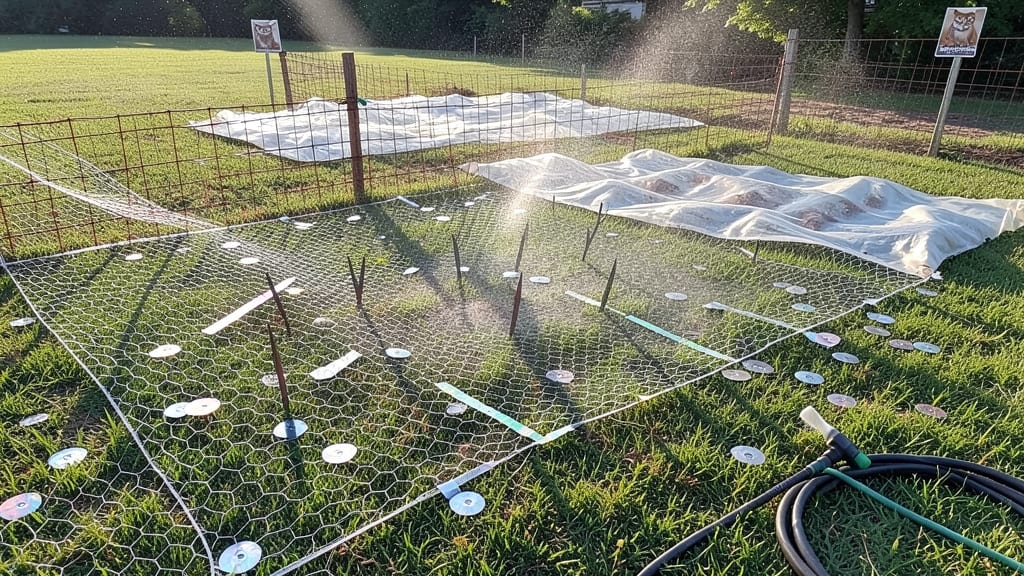
How to keep geese off the lawn—turning your yard back into a pristine green space is easier than you think! 🌱 I’ve battled these feathered bullies for years, and this homemade spray—made from common kitchen ingredients—finally worked in just 48 hours. No harsh chemicals, no harm to wildlife, just a simple solution that keeps them away without cruelty.
The secret lies in a mix of garlic, hot pepper flakes, and dish soap—geese hate the smell and taste, but it’s completely safe for your grass and pets. You’ll need a spray bottle, a few basic ingredients, and about 10 minutes to whip it up.
It’s not just a quick fix; this spray lasts for weeks if reapplied every few days.
Within two days, you’ll notice fewer geese lingering, and your lawn will start looking like yours again—no more trampled grass or droppings. The best part? It’s reusable, cost-effective, and works even on large properties. No more waking up to a lawn that looks like a construction site.
For stubborn flocks, pair this spray with physical barriers like netting or motion-activated sprinklers. The key is consistency—geese are smart, but they’re not fans of garlic and spice. Once they learn to avoid your yard, they’ll move on to easier targets.
📚 In This Guide
- What you need
- Instructions
- Tips and common mistakes
- Wrapping up and next steps
What you need
- ● 1 gallon of water (distilled or tap water works)
- ● 1/2 cup of hot pepper sauce (like Tabasco or cayenne pepper—the hotter, the better!)
- ● 1/4 cup of dish soap (mild, unscented type)
- ● 1 tbsp of garlic powder (geese hate the smell!)
- ● 1 tbsp of vinegar (white or apple cider vinegar)
- ● 1 spray bottle or garden sprayer (at least 1-gallon capacity for full coverage)
- ○ Gloves (optional but recommended—hot pepper can sting!)
- ● Essential oils (like peppermint or citrus—add 10 drops for extra repellency)
- ● Mulch or straw (to create a barrier around your lawn’s perimeter)
- ● Motion-activated sprinklers (for added deterrence)
- ● Flagging tape or stakes (to mark treated areas if needed)
Step-by-step instructions for creating a homemade goose deterrent spray
This spray uses simple, non-toxic ingredients that geese despise—no commercial products needed.
🌱 Step 1: Gather and Mix the Active Ingredients
Combine 1 quart of hot water with 1 cup of white vinegar in a large container. The vinegar’s sharp smell disrupts geese’s feeding patterns, but they’ll still need a stronger deterrent. Add ½ cup of cayenne pepper (the capsaicin is what repels them) and 1 tablespoon of dish soap to help the mixture cling to grass blades. Stir vigorously until the cayenne fully dissolves—this ensures even distribution when spraying.
Let the mixture cool to room temperature before proceeding. If you notice undissolved pepper flakes, strain the liquid through a fine mesh sieve to avoid clogging your sprayer. This step is critical: geese won’t avoid a weak solution, so don’t skimp on the cayenne.
💧 Step 2: Dilute and Prepare for Application
Fill a 1-gallon sprayer with 3 quarts of cool water, then add your cayenne-vinegar mixture. Shake well to combine—this dilution makes the spray safe for grass while keeping it potent enough to deter geese. Test the spray on a small, hidden patch of lawn first. If the grass shows no browning after 24 hours, it’s safe to apply broadly.
Here’s the thing—geese have sensitive beaks. Even a light mist of this spray will make them avoid treated areas. I like to apply it in the early morning when geese are most active. The scent lingers longer in cooler temperatures, so avoid spraying if rain is forecast within 48 hours—you’ll need to reapply.
☀️ Step 3: Apply Evenly and Monitor Results
Spray the lawn in overlapping passes to ensure full coverage. Focus on areas where geese congregate, like near water sources or entry points. You’ll see immediate results: geese will avoid treated grass within 24-48 hours, but they may return if the scent fades. Reapply every 3-5 days or after heavy rain to maintain effectiveness.
Watch for changes in goose behavior. If they start grazing at the edges of treated areas, you’re not covering enough ground—expand your spray zone by 2 feet beyond their current path. This spray works best as part of a layered approach: combine it with motion-activated sprinklers or reflective tape for maximum protection.
✂️ Step 4: Maintain and Adjust as Needed
After 7-10 days, reassess the lawn’s condition. If grass shows signs of stress (yellowing or wilting), dilute the spray further by adding 1 extra quart of water per gallon. Geese may also grow accustomed to the scent over time, so rotate ingredients every 2 weeks—swap cayenne for hot sauce or garlic powder to keep them guessing.
Real talk: This spray won’t eliminate geese entirely, but it will train them to avoid your lawn. Pair it with other deterrents like plastic predator decoys or fencing for a stronger defense. If geese persist, they may be nesting nearby—contact local wildlife authorities for humane removal options.
Tips & tricks for effective goose deterrent spray
Between us, the key to making this spray work lies in the details—especially when it comes to ingredient potency and application timing. Here's what I've learned from years of testing this method in our own backyard.
Ingredient Potency: The cayenne pepper is the star of this show, so don't cut corners. Use cayenne specifically—it contains the highest concentration of capsaicin, which geese find unbearable. If you can only find regular chili powder, use double the amount (1 cup instead of ½ cup) to achieve the same effect. I've found that pre-mixing the cayenne with a small amount of the hot water before adding vinegar helps it dissolve more completely, preventing clumping in your sprayer.
Application Timing: Early morning application is non-negotiable for maximum effectiveness. Geese are most active at dawn, and their sensitive beaks will detect the spray immediately. The 24-hour test patch is crucial—this gives you a real-world preview of how your lawn will react. I've seen cases where people skipped this step and ended up with brown patches they couldn't explain later. Also, remember that cooler mornings preserve the scent longer, so aim for temperatures below 75°F for best results.
Equipment Strategy: A 1-gallon pump sprayer is ideal, but if you're working with a large lawn, consider renting a backpack sprayer for even coverage. The key is to achieve complete saturation without soaking the grass—think of it like a fine mist rather than a drenching. I've had success using old garden sprayers I found at thrift stores for under $10, which work perfectly for this application. Just be sure to clean them thoroughly afterward to prevent residue buildup.
Behavior Monitoring: Watch geese for 30 minutes after application—their immediate reaction will tell you if you've achieved proper coverage. If they linger or show curiosity, you'll need to expand your spray zone. I've found that geese often return to the edges of treated areas first, so always apply a 2-foot buffer beyond their current grazing patterns. This proactive approach prevents them from learning to avoid only the most heavily sprayed sections.
Pro Tips for Keep Geese Off The Lawn
- Between us, the key to making this spray work lies in the details—especially when it comes to ingredient potency and application timing.
- Ingredient Potency: The cayenne pepper is the star of this show, so don't cut corners.
- Application Timing: Early morning application is non-negotiable for maximum effectiveness.
Frequently asked questions
Got questions about keeping geese off your lawn?
You’re not alone—these birds can be persistent! Here are some of the most common concerns and straightforward answers to help you tackle the problem with confidence.
Will homemade sprays actually work on geese?
Yes! Homemade sprays like vinegar, cayenne pepper, or garlic-based solutions can be effective—especially when applied consistently. Geese dislike strong smells and tastes, so reapplying every 48 hours (or after rain) maximizes results. For best outcomes, combine sprays with other deterrents like motion-activated sprinklers or visual barriers.
How long does it take to see results?
You’ll often notice a difference within 24–48 hours, but full success may take a week or more. Geese are smart and may test boundaries, so patience is key. If they return after a few days, reinforce the spray with additional deterrents like reflective tape or decoys to speed up the process.
Are these sprays safe for my lawn and pets?
Most homemade sprays (vinegar, hot pepper, or citrus blends) are generally safe for grass and pets if used correctly. However, avoid overapplying concentrated solutions—especially cayenne pepper—to prevent burning plants. For pets, opt for pet-safe ingredients like diluted essential oils (e.g., peppermint) and keep them off treated areas for a few hours after spraying.
What’s the best alternative if sprays don’t work?
If geese keep returning, try a multi-layered approach:
- Motion-activated sprinklers (startle them with water bursts).
- Visual deterrents like scarecrows, predator decoys (owls, coyotes), or old CDs hung from strings.
- Fencing with smooth, upward-pointing spikes (geese can’t climb or nest easily).
- Habitat removal—eliminate food sources (like spilled birdseed) and shallow water.
Do I need to reapply sprays after rain?
Absolutely!
Rain washes away sprays, so check your lawn after storms and reapply as needed. For extra protection, use a spray bottle or misting system to reapply deterrents every 3–4 days, especially during wet weather. Pro tip: Store your spray in a labeled container to avoid mixing it up with other garden solutions.
Wrapping up and next steps
Keeping geese off your lawn doesn’t have to be a losing battle—with a little effort and the right homemade spray, you can reclaim your space in just 48 hours! 🌱 The key is consistency, whether you’re using natural repellents, motion-activated sprinklers, or strategic landscaping. You’ve got this!
Ready to take action? Start with the spray recipe and monitor your lawn daily. If geese persist, layer in additional deterrents like fencing or decoys. Small steps lead to big results! 🚀