
Propagation
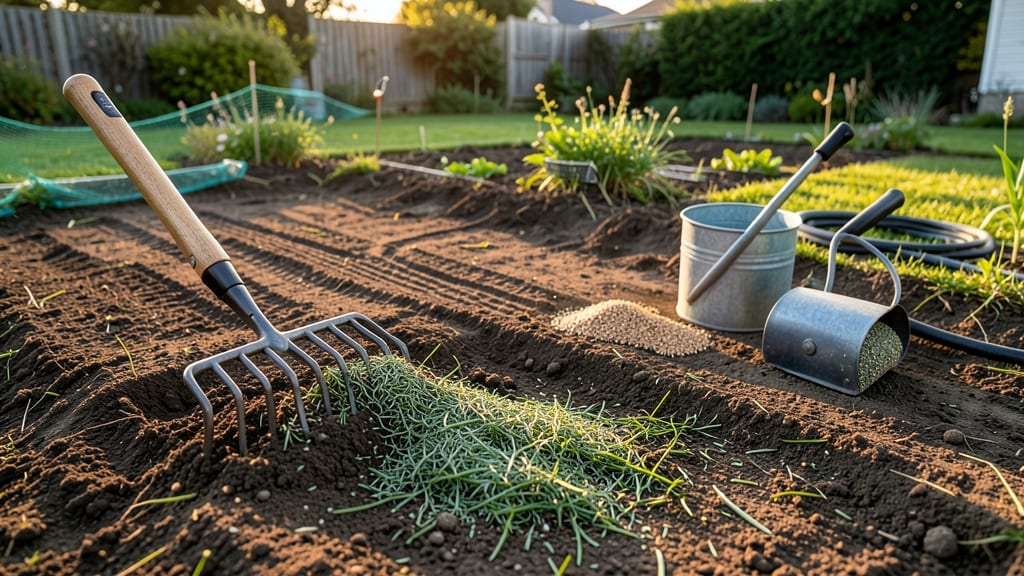
Laying a lawn from seed transforms bare soil into a vibrant green carpet—but only if you nail the prep work first. 🌱 I’ve seeded three lawns, and the difference between patchy results and lush coverage comes down to soil, seed choice, and patience.
Skipping even one step means weeds or thin spots by summer.
Start with a clean, level plot—no rocks, no clumps—and test your soil’s pH. Most cool-season grasses (like Kentucky bluegrass or fescue) thrive in slightly acidic soil (6.0–7.0), while warm-season types (like Bermuda) prefer 6.5–7.5. Rent a core aerator if your soil is compacted; it’s the game-changer for seed-to-soil contact.
Once sown, water lightly twice daily for the first 2 weeks—just enough to keep the top inch moist. Avoid oversaturating, or seeds will rot. By week 4, you’ll see sprouts pushing through, and by month 2, your lawn will be dense enough to handle light foot traffic.
The key? Consistency in watering and zero foot traffic until the grass is 3–4 inches tall.
This method works for new lawns, repairs, or overseeding—just adjust seed rates for partial coverage. For shady spots, opt for fine fescue; sunny areas need drought-tolerant ryegrass blends. Let’s get that seed in the ground before weeds move in!
📚 In This Guide
- What you need
- Instructions
- Tips and common mistakes
- Wrapping up and next steps
What you need
- ● Lawn seed: Choose a high-quality grass seed blend suited to your climate and sun exposure (e.g., Kentucky Bluegrass, Fescue, or Bermuda). Calculate 5–10 lbs per 1,000 sq ft for new lawns.
- ○ Topsoil or compost: 1–2 inches of nutrient-rich soil to improve seedbed quality (optional if existing soil is healthy).
- ● Rake: A bow rake (for leveling) and a garden rake (for seed distribution).
- ● Lawn roller: A 100–150 lb roller to press seed into the soil (rent or buy).
- ● Spreaders: Broadcast spreader (for large areas) or a drop spreader (for precision).
- ● Handheld spreader for small patches or edges.
- ● Water source: A hose with a sprinkler head or garden hose timer for consistent watering.
- ● Fertilizer: A starter fertilizer (high in phosphorus, e.g., 10-20-10 ratio) to kickstart growth.
- ● Mulch or straw: ¼–½ inch of straw mulch (not hay!) to retain moisture and protect seeds.
- ● Soil test kit: Check pH and nutrient levels (ideal pH: 6.0–7.5) for custom amendments.
- ● Pre-emergent herbicide: Apply after seeding to prevent weeds (follow package timing!).
- ● Lawn edging tools: For crisp borders (e.g., plastic or metal edging).
- ● Knee pads or gloves: Because comfort matters! 😉
Step-by-step instructions for laying a lawn from seed
Here’s how I’ve transformed bare patches into thick, vibrant lawns—no shortcuts, just reliable results.
🪴 Step 1: Prepare the Soil for Perfect Seed Germination
Start by removing all debris, rocks, and weeds from your area. I use a rake to pull out weeds and a shovel to dig up any stubborn roots. The goal is a clean slate—seeds won’t grow where competition exists. Test your soil’s pH (aim for 6.0–7.0 for most grasses). If it’s too acidic or alkaline, amend it with lime or sulfur before proceeding.
Loosen the top 4–6 inches of soil with a tiller or garden fork. This breaks up compacted layers so roots can penetrate easily. Smooth the surface afterward with a leveling rake—any bumps or low spots will create uneven growth. Water the area lightly to settle the soil without creating puddles.
🌱 Step 2: Spread Soil Amendments and Fertilizer Evenly
Spread a ½-inch layer of topsoil or compost over the prepared area to improve drainage and fertility. Use a rake to distribute it uniformly—no clumps or thick spots. Next, apply a starter fertilizer (high in phosphorus) at the rate recommended on the package. I like to use a broadcast spreader for even coverage, then lightly rake it into the top ¼ inch of soil.
This step is critical: phosphorus promotes strong root development, while nitrogen (too much now) can burn tender seedlings. Water the area again to help the fertilizer and soil settle. Let it sit for 24 hours before seeding—this gives amendments time to integrate without washing away.
💧 Step 3: Sow the Seed at the Right Depth and Spacing
Use a seed spreader for even distribution, or hand-sow by walking in a crisscross pattern. Most grass seeds should be planted ¼ inch deep. For larger areas, divide the seed into two applications—sow half in one direction, then the other half perpendicular. This ensures full coverage without gaps. Lightly rake the area again to cover seeds gently; don’t bury them too deeply.
I like to mark the edges of my lawn with stakes or spray paint to avoid missing spots. Water immediately after sowing to help seeds settle into the soil. Keep the surface moist (not soggy) for the next 7–10 days—this is when seeds germinate. A light misting twice daily works best.
☀️ Step 4: Maintain Consistent Moisture and Light for Germination
For the first 2–3 weeks, keep the soil surface damp by watering lightly every morning. Avoid heavy watering, which can wash away seeds or create crusts that prevent sprouting. You’ll see the first signs of life—tiny grass blades—as early as 5–14 days, depending on the seed type and weather.
Once seedlings reach 2–3 inches tall, gradually reduce watering frequency but increase depth. Aim for 1 inch of water per week, either from rain or irrigation. Avoid walking on the lawn until the grass is 3–4 inches tall—this prevents damaging delicate roots and stems.
✂️ Step 5: Fertilize and Mow for a Thick, Healthy Lawn
After 6–8 weeks, when the grass is 3–4 inches tall, apply a general-purpose fertilizer (following package rates). Choose a slow-release formula to feed the lawn over time. Mow for the first time when the grass reaches 3–4 inches, cutting no more than ⅓ of the blade height—this encourages deeper roots and thicker growth.
Adjust your mower height based on grass type: taller settings (3–4 inches) for cool-season grasses, shorter (2–3 inches) for warm-season varieties. Keep mower blades sharp to avoid tearing grass. Water deeply after mowing to help recovery. With consistent care, you’ll have a lush lawn in 8–12 weeks—worth every step!
Tips & tricks for perfect lawn establishment from seed
Common lawn mistakes can turn your dreamy green space into a patchy disappointment—here’s how to avoid them.
Timing Secret: The 24-hour waiting period in Step 2 isn't just about letting amendments settle—it's about giving phosphorus time to work its magic. Too eager to plant? You risk washing away nutrients or creating a salt burn on delicate seeds. I've seen this happen when people rush ahead after just a few hours. Patience here means stronger roots later.
Seed Depth Matters: Planting grass seeds ¼ inch deep might seem shallow, but it's crucial. Burying them deeper than this blocks sunlight needed for germination. Use a light hand with that rake—just enough to cover seeds gently. I've had to reseed entire areas because seeds were planted too deep and never sprouted.
Watering Wisdom: Those first 7–10 days of keeping the soil surface damp are non-negotiable. I've learned the hard way that skipping morning waterings leads to crusty soil that smothers seeds. Use a sprinkler with fine mist settings or a gentle hose attachment. The goal is to maintain moisture without creating puddles that can drown seeds.
Mowing Technique: When you finally reach the mowing stage, remember the ⅓ rule: never cut more than one-third of the blade height at once. This prevents stressing the grass. I've seen lawns turn brown overnight after aggressive mowing. For cool-season grasses, keep that mower set to 3–4 inches—it might look long, but it encourages deeper roots and shade-out weeds naturally.
Pro Tips for Lay A Lawn From Seed
- Common lawn mistakes can turn your dreamy green space into a patchy disappointment—here’s how to avoid them.
- Timing Secret: The 24-hour waiting period in Step 2 isn't just about letting amendments settle—it's about giving phos...
- Seed Depth Matters: Planting grass seeds ¼ inch deep might seem shallow, but it's crucial. Burying them deeper than t...
Frequently asked questions
Got questions about growing a lawn from seed? You’re not alone! Here are answers to the most common concerns—so you can tackle your project with confidence.
When is the best time to plant grass seed?
The ideal times are early spring (after the last frost) or late summer/early fall (when soil is warm but nights cool). Avoid planting in extreme heat or cold—seed struggles to germinate in temperatures below 50°F or above 90°F. Cool seasons (like Kentucky bluegrass) thrive in spring/fall, while warm-season grasses (like Bermuda) need summer planting.
How long does it take for grass seed to grow?
Germination time varies by grass type:
- Cool-season grasses: 7–21 days
- Warm-season grasses: 5–30 days
How often should I water new grass seed?
Keep soil consistently moist (not soggy) for the first 2–3 weeks. Water lightly 2–3 times daily (early morning is best) to prevent seed from drying out. Once sprouts reach 2 inches, gradually reduce to 1 inch per week. A sprinkler with a fine mist setting works best—avoid blasting seed away!
What if birds or squirrels eat my seed?
Use seed with a bird repellent (like corn gluten meal) or cover seed with straw or a lightweight netting until germination. Scare tactics (like wind chimes or reflective tape) can also help. If you’re dealing with persistent pests, try planting in small sections to reduce losses.
Can I lay new grass seed over existing grass?
Only if your current lawn is thin or patchy. First, mow low (1–1.5 inches), then rake out dead patches and loosen soil. For thick turf, consider sod instead—seed struggles to break through dense grass. Over-seeding works best in fall for cool-season grasses.
Wrapping up and next steps
Laying a lawn from seed is a rewarding project that transforms your outdoor space into a vibrant, functional oasis—one step at a time! 🌱 By preparing the soil, choosing the right grass type, and maintaining consistency with watering and care, you’ll soon enjoy a lush carpet underfoot.
Remember, patience and attention to detail are key; even the greenest lawns start with a single seed.
Now that you’re armed with the know-how, roll up your sleeves and get started! For extra confidence, consider testing your soil’s pH or joining a local gardening group for tips. Your dream lawn is just a few weeks (and a little elbow grease) away!