
Lawn
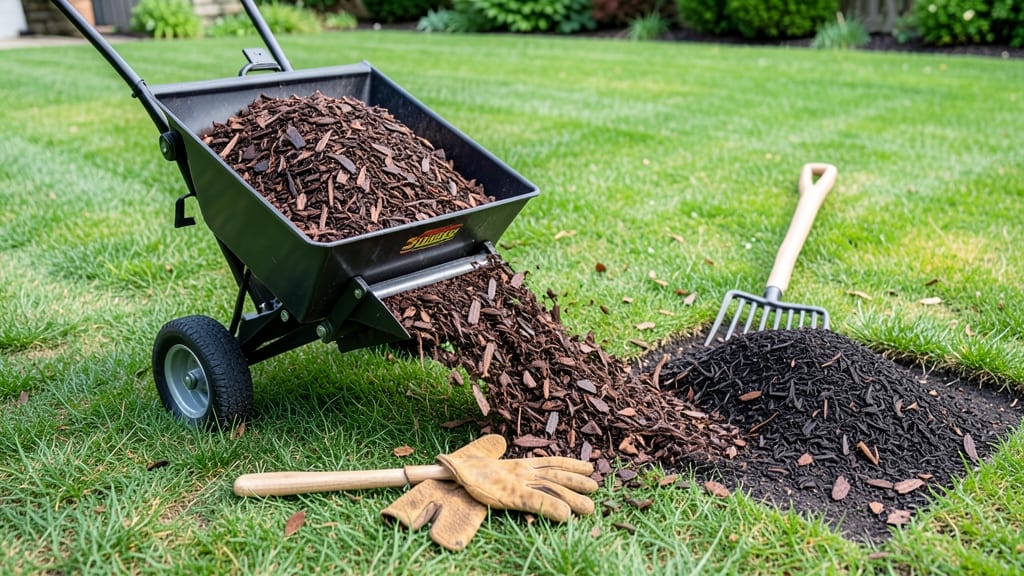
Mulching your lawn transforms it from a thirsty, weed-infested chore into a self-sustaining green carpet. ✨ The right layer keeps soil moist for weeks, blocks weeds before they sprout, and feeds your grass roots—all while looking cleaner than bagging clippings every week.
I’ve gone from watering daily to once a week since I switched, and my neighbors keep asking how I keep it so lush. The secret isn’t fancy tools—just the right materials (organic shredded bark or grass clippings work best) and timing.
Spread 2–3 inches evenly after mowing, and avoid piling it against tree trunks. For clay-heavy soil, mix in compost first to improve drainage. Even synthetic mulch has its place, but organic breaks down into free fertilizer over time. By summer’s end, you’ll notice fewer brown patches and more consistent growth.
The grass stays cooler in heatwaves, and those pesky crabgrass seeds? They’ll struggle to break through. It’s the kind of upgrade that makes your yard the envy of the block—without the backbreaking work. Works for all grass types, from fescue to Bermuda, and even ground covers like creeping thyme.
Just adjust thickness: thicker for dry climates, thinner for damp areas. Here’s how to do it right the first time.
📚 In This Guide
- What you need
- Instructions
- Tips and common mistakes
- Wrapping up and next steps
What you need
- ● Mulching mower (or a regular mower with a mulching blade—look for one labeled "mulching" or "cyclone" mode).
- ● Lawn clippings (naturally produced by your mower—no need to bag them!).
- ● Water source (hose or sprinkler system) to keep grass hydrated post-mulching.
- ● Gloves (heavy-duty gardening gloves to protect your hands from debris).
- ○ Knee pads or cushion (optional but helpful for comfort during larger lawns).
- ● String trimmer (for edging mulch along sidewalks or garden borders).
- ● Lawn fertilizer (slow-release or organic, applied after mulching for best results).
- ● Soil pH tester (to check if your grass needs amendments like lime or sulfur).
- ● Compost or organic matter (to top-dress thin lawn areas before mulching).
- ● Rain gauge or weather app (to track moisture levels—mulching works best with 1 inch of water per week).
Step-by-Step instructions for mulching a lawn
Here’s my foolproof approach to mulching that keeps your lawn thriving year-round with minimal effort.
🪴 Step 1: Choose the Right Mulch for Your Lawn
Start with 2-4 inches of organic mulch like shredded bark, wood chips, or composted leaves. I always opt for shredded hardwood because it breaks down slowly and won’t compact like grass clippings. Avoid dyed mulch—those chemicals can harm soil and grass over time. Spread a thin, even layer first to judge coverage before adding more.
For new lawns, focus on compost or well-aged straw to boost soil fertility without smothering young grass. If you’re mulching an established lawn, stick to 2 inches max—too much blocks sunlight and air, which can suffocate roots. Test a small section first to see how your grass responds.
🌱 Step 2: Mow and Clear the Lawn Before Applying
Mow the lawn to a 3-inch height before mulching—this mimics natural grass cycles and prevents thatch buildup. Bag the clippings if they’re long or thick, but leave short clippings to decompose naturally (this is called grass-cycling). Remove any weeds or debris first; mulch won’t hide them, and they’ll compete with your grass for nutrients.
Rake lightly to even out the surface, especially if your lawn has low spots or uneven patches. A stiff-bristle rake works best for this—it aerates slightly without tearing up grass. If you spot bare spots, hold off on mulching there until grass fills in; mulch won’t help roots establish where there’s no grass to begin with.
✂️ Step 3: Apply Mulch Evenly in Thin Layers
Spread mulch in thin layers—about ¼ inch at a time—to avoid smothering grass. I use a spreader for large areas, but a rake works fine for small lawns. Focus on the base of plants and between grass clumps, not directly over them. Too much mulch right on the grass blades can trap moisture and cause fungal issues.
Work in sections, overlapping slightly to keep coverage consistent. For flower beds or edges, pile mulch 2-3 inches deep to suppress weeds, but keep it 1-2 inches away from plant stems. Water lightly after spreading to help mulch settle and make contact with the soil. You’ll know you’ve done it right when the mulch looks evenly distributed and the grass peeks through in patches.
💧 Step 4: Maintain Mulch Through the Seasons
Check mulch every 4-6 weeks and top up if it’s broken down below 1 inch. In spring, rake out old mulch and refresh with ½ inch of compost before reapplying. This replenishes nutrients and prevents thatch. Avoid piling mulch against tree trunks or shrubs—it can cause rot or attract pests like termites.
In fall, add a thicker layer (2-3 inches) to insulate soil and protect grass roots from winter temps. Mulch also slows erosion from rain, so it’s especially useful on slopes. If you notice mulch clumping or forming a crust, fluff it with a rake—this keeps air and water flowing to the roots below.
☀️ Step 5: Adjust for Seasonal Changes
In summer, reduce mulch thickness to ½ inch to prevent overheating—dark mulch can bake soil and stress grass. Switch to straw or light-colored wood chips if your area gets intense sun. In winter, leave mulch in place but avoid compacting it with foot traffic; snow can press it down naturally.
Watch for signs of over-mulching: yellowing grass, mold, or a musty smell mean you’ve gone too heavy. If this happens, rake back some mulch and let the lawn breathe. Mulching is about balance—too little won’t protect soil, but too much can do more harm than good. With the right approach, you’ll have a lush, low-maintenance lawn that stays healthy all year.
Tips & tricks for perfect lawn mulching
Here's what nobody tells you—these tricks will transform your mulching game from messy to masterful.
Mulch Type Matters: For established lawns, stick to the 2-inch maximum recommendation from Step 1, but consider shredded hardwood over pine bark if you have clay soil—it breaks down more evenly. I learned this the hard way after watching pine bark clump and suffocate grass. For flower beds, that 2-3 inch depth works perfectly to suppress weeds while keeping stems safe.
Seasonal Layering Strategy: In Step 5, when summer hits, I switch to ½ inch of straw mulch instead of wood chips—it reflects sunlight and prevents soil from overheating. This simple swap saved my lawn from brown patches during heatwaves. For winter prep, add that 2-3 inch layer in fall but avoid compacting it; let snow do the work of settling it naturally.
The Test Section Secret: Before covering your whole lawn, test a 2-foot square section with your chosen mulch type and thickness. Observe for 24 hours—if grass stays green and you don't see mold, you're golden. This prevents the heartbreak of ruining your whole lawn with one wrong choice. I always do this, especially with new mulch types.
Tool Upgrade: Rent a broadfork for $20 a day if you have compacted soil—it aerates without tearing up grass. Work it into the soil before applying mulch in Step 3. This single tool change improved my lawn's health dramatically by letting water and air penetrate properly. Your regular rake won't do the same deep work.
Pro Tips for Mulch Lawn
- Here's what nobody tells you—these tricks will transform your mulching game from messy to masterful.
- Mulch Type Matters: For established lawns, stick to the 2-inch maximum recommendation from Step 1, but consider shredded hardwood over pine bark if you have clay soil—it breaks down more evenly.
- Seasonal Layering Strategy: In Step 5, when summer hits, I switch to ½ inch of straw mulch instead of wood chips—it reflects sunlight and prevents soil from overheating.
Frequently asked questions
What’s the best time of year to mulch my lawn?
The ideal time is spring and fall, when soil is moist but not waterlogged. Mulching in summer can smother grass, while winter mulch (like straw) protects roots from freeze-thaw cycles. For year-round mulching, focus on overseeding in spring and lightly mulching in fall to retain moisture and nutrients.
How often should I mulch my lawn?
Light mulching (like grass clippings) can happen every time you mow—just leave clippings to decompose naturally. For heavier mulch (like wood chips), apply it 1–2 times per year (spring/fall) at a depth of ¼–½ inch. Over-mulching can suffocate grass or attract pests, so less is often more!
Is mulching free, or do I need to buy materials?
You can mulch for free using grass clippings (just mow high and leave them behind!). For organic mulch, try free yard waste from local tree services or compost piles. If you prefer wood chips, buy them in bulk (cheaper!) or split costs with neighbors. Pro tip: Shredded leaves make a great free mulch too!
Will mulching attract pests like ants or termites?
Not if done right! Fresh wood mulch can draw pests, but aged/composted mulch (or grass clippings) won’t. To prevent issues, avoid piling mulch against tree trunks or foundations (keep it 6+ inches away). If pests appear, reapply a thin layer of mulch or use a natural repellent like diatomaceous earth.
Can I mulch in hot or cold weather?
Mulching in extreme heat (above 90°F) can smother grass, while freezing temps slow decomposition. Aim for mild weather (50–80°F). In winter, use a light layer of straw to insulate soil, but avoid heavy mulch that traps moisture and encourages rot. Spring and fall are your best bets!
Wrapping up and next steps
Mulching your lawn is a game-changer for soil health, water retention, and long-term beauty—without the hassle of messy clippings! 🌱 By choosing the right method (organic, inorganic, or mower mulching) and following simple steps, you’ll create a thriving, low-maintenance yard that’s easier on your time and the planet.
Start small, stay consistent, and watch your lawn transform into a lush, resilient masterpiece.
Ready to take the next step? Pick your mulching style and grab your tools—your lawn’s future is greener than ever! 🌿