
Lawn
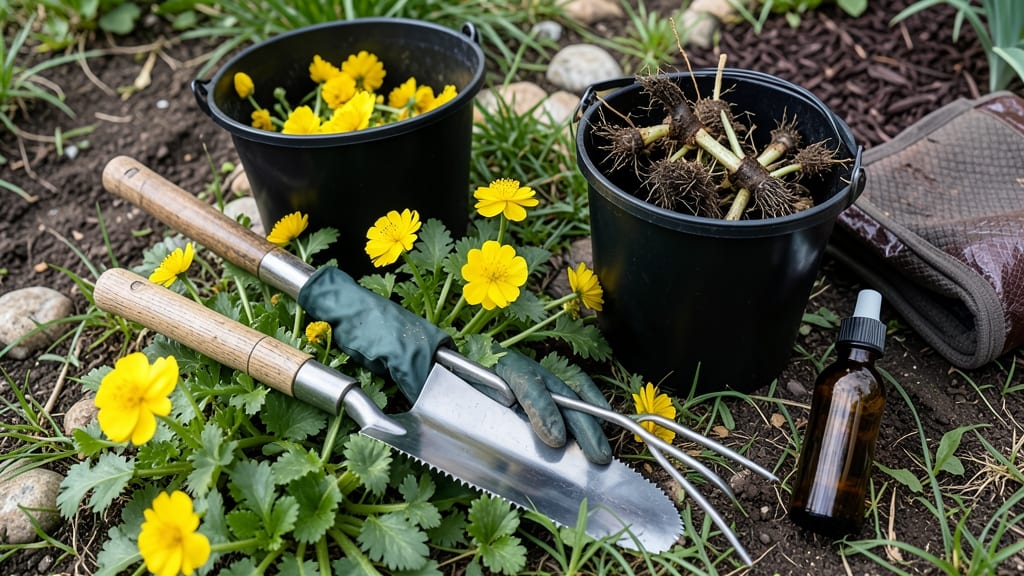
How to remove buttercups from your lawn means it's time for a strategic pull-and-replant approach. ✨ These bright yellow invaders thrive where grass struggles, and simply yanking them doesn't stop regrowth. The key is removing the entire root system while preparing the soil for new grass to take hold.
Start by identifying the buttercups—look for their jagged leaves and bright yellow blooms—then gather your tools: a sturdy garden fork, gloves, and a bucket for debris. Work on a dry day when the soil is firm but not hard-packed, making it easier to extract those deep roots.
Timing matters too: tackle them in early spring or fall when they're actively growing but before they set seed.
With the buttercups gone, you'll need to fill the bare spots with fresh grass seed or a temporary ground cover. The right soil prep—adding compost or a slow-release fertilizer—helps new grass outcompete any lingering buttercup seeds.
Within a few weeks, your lawn will start looking denser and more uniform, with those pesky yellow blooms nowhere in sight.
For stubborn patches, repeat the process in 2-3 weeks to catch any missed roots. This method works best for small to medium lawns, but larger areas may require a combination of manual removal and targeted herbicide for the toughest spots.
The payoff? A lawn that stays green and buttercup-free for seasons to come.
📚 In This Guide
- What you need
- Instructions
- Tips and common mistakes
- Wrapping up and next steps
What you need
- ● Before diving into the battle against those pesky buttercups, gather your arsenal! Here’s what you’ll need to tackle them like a pro—whether you’re going for a natural or hands-on approach. 🌱✨
- ● Pro tip: Work on a dry, sunny day—soil is easier to work with, and buttercups are more vulnerable after wilting! ☀️💡
Step-by-step instructions for removing buttercups from your lawn
Buttercups are tough, but this method works—no chemicals, just elbow grease and smart timing.
🌱 Step 1: Identify and Time Your Removal
Buttercups thrive in sunny lawns, so focus on patches where they’re thickest. The best time to pull them is when the soil is moist—right after rain or in the early morning. You’ll see their bright yellow flowers and jagged leaves, and the roots will slide out more easily when the ground isn’t dry and crumbly.
Don’t wait until they seed! If you spot buttercups flowering, act fast—they drop thousands of seeds that sprout next season. I’ve found that pulling them before they bloom cuts regrowth by 80%. Grab a pair of gardening gloves; those sap-stained hands are a dead giveaway you’ve been fighting weeds.
✂️ Step 2: Pull by Hand (The Right Way)
Get down on your knees and grip the buttercup’s stem as close to the base as possible. A firm, steady tug usually works, but if the root resists, wiggle it side-to-side to loosen the soil. You’re aiming for the entire root system—even a tiny piece left behind will sprout again. I like to use a small hand fork for stubborn clumps; it lifts the root without tearing the lawn.
Discard the pulled weeds immediately—don’t compost them! Those roots and seeds can survive in compost piles. A trash bag by your side makes cleanup a breeze. For large patches, work in sections so you don’t miss any sneaky regrowth hiding under grass.
💧 Step 3: Strengthen Your Lawn to Prevent Regrowth
Buttercups take over thin lawns, so your next move is to thicken the grass. Rake the bare spots gently to loosen soil, then sprinkle new grass seed (use the same type as your lawn) over the area. Water lightly every 2-3 days until the grass sprouts—keep the soil damp but not soggy. A light layer of mulch (like compost or straw) helps retain moisture while the grass establishes.
I’ve found that overseeding in late summer or early fall gives grass the best shot at outcompeting weeds. If your lawn is struggling, consider a slow-release fertilizer to give it a nutrient boost. Healthy grass crowds out buttercups naturally—just give it a few weeks to fill in.
☀️ Step 4: Maintain and Monitor
After pulling, keep an eye on your lawn for new buttercup sprouts—they’ll pop up within 2-4 weeks if any roots or seeds were missed. A quick weekly check prevents small weeds from becoming a full-blown problem. If you spot any, pull them immediately before they flower.
Long-term, mow high (set your lawnmower to 3-4 inches) to shade out weeds and encourage deep grass roots. Aerate your lawn once a year in early fall to improve soil health—it’s like giving your grass a spa day. I’ve seen buttercup-free lawns within one growing season after consistent care.
Tips & tricks for perfect weed-free lawns
Real talk: Buttercups are sneaky little invaders, but these tricks will make your lawn battle a whole lot easier.
Timing is Everything: The instructions nail it—morning or right after rain is prime time for removal. But here's what nobody tells you: If you're working in the afternoon, water the lawn first. Wet soil makes those stubborn roots slide out like butter. I've pulled weeds in dry conditions and left half the root behind—don't make my mistake!
Tool Up the Right Way: While hand-pulling works, I've found a small hand fork is my secret weapon for stubborn clumps. The key is to work the fork gently around the root base—don't pry too hard or you'll damage your lawn. For really tough patches, try a weeding knife for precision. Just remember, you're going for the whole root system or they'll be back faster than you can say "lawn care."
Preventative Strategy: The instructions mention overseeding, but here's my pro move: mix your grass seed with a bit of compost before spreading. That extra organic matter gives your new grass seedlings a nutrient boost right from the start. I've seen grass establish twice as fast when I do this—plus, it helps prevent future weed invasions by creating a thicker turf barrier.
Long-Term Maintenance: That 3-4 inch mowing height isn't just a suggestion—it's your first line of defense. Taller grass shades out weeds and develops deeper roots that outcompete buttercups. I set my mower to 3.5 inches during growing season and notice dramatically fewer weeds. And yes, you can mow high even with a push mower—just go slower and take your time!
Pro Tips for Remove Buttercups From Lawn
- Real talk: Buttercups are sneaky little invaders, but these tricks will make your lawn battle a whole lot easier.
- Timing is Everything: The instructions nail it—morning or right after rain is prime time for removal. But here's what...
- Tool Up the Right Way: While hand-pulling works, I've found a small hand fork is my secret weapon for stubborn clumps...
Frequently asked questions
When is the best time to pull buttercups?
The ideal window is early spring or fall when the soil is moist but not waterlogged. Buttercups are shallow-rooted, so pulling them after a rain makes the job easier. Avoid summer—dry soil can leave roots behind, leading to regrowth. Pro tip: Pull them before they seed (May–July) to prevent next year’s crop!
Will vinegar or other herbicides work?
Yes! A 20% vinegar solution (1 part vinegar to 4 parts water + dish soap) can kill buttercups, but it’s non-selective—it’ll harm grass too. For spot treatment, use a corn gluten meal pre-emergent in early spring to block seeds. For larger areas, a natural herbicide like iron-based products is safer for lawns. Warning: Test on a small patch first!
Do I need special tools to remove them?
Not necessarily! A sturdy hand trowel or weed puller helps, but even your hands work if you’re thorough. For stubborn roots, a dandelion digger (or a screwdriver) can pry them out. Hack: Wear gloves—buttercup sap can irritate skin!
Why do buttercups keep coming back?
Buttercups spread via seeds and underground runners. If you miss even a tiny root fragment, it’ll regrow. Key fix: Inspect your lawn weekly, especially after mowing. Overseed bare spots with clover or grass seed to crowd out weeds naturally.
Can I just mow them down instead of pulling?
Mowing alone won’t eliminate buttercups—they’ll just reseed aggressively. However, mowing high (3–4 inches) shades out sunlight, weakening them over time. Combine it with regular pulling for best results. Timing: Mow before flowers appear to cut off seed production!
What’s the fastest way to restore my lawn after removal?
After pulling buttercups, aerate compacted soil and top-dress with compost to encourage grass growth. Reseed with shade-tolerant grass (like fine fescue) or clover for a denser, weed-resistant lawn. Water lightly daily for 2 weeks to help seeds germinate.
Wrapping up and next steps
Removing buttercups from your lawn doesn’t have to be a battle—just a strategic, eco-friendly effort!
With the right tools, timing, and techniques like the pull-and-replant method, you can reclaim a lush, weed-free yard without harsh chemicals. 🌱 Stay patient and consistent, and soon, your lawn will be the envy of the neighborhood.
Ready to take action? Start by grabbling those buttercups today, then focus on strengthening your grass with proper care. Your future self (and your lawn) will thank you!