
Lawn
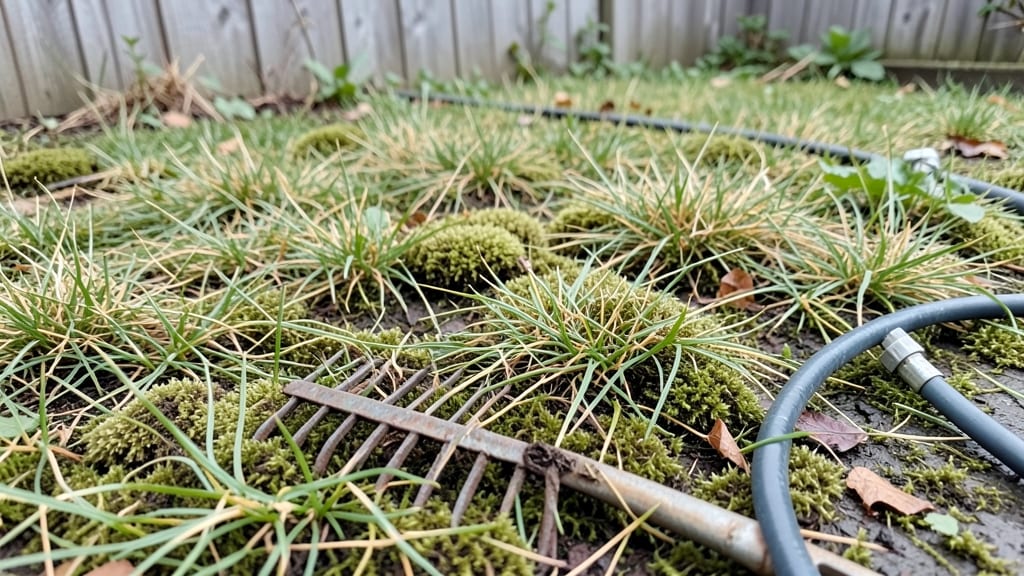
Removing moss from your lawn naturally starts with a simple but powerful combo—vinegar and baking soda—that cuts through the problem without harsh chemicals. 🌱 I’ve battled this stubborn green carpet more times than I’d like to admit, and this method actually works without poisoning your soil or grass.
The secret lies in balancing pH, improving drainage, and giving your grass a fighting chance. Most people overlook the root causes—shady spots, compacted soil, or acidic conditions—that let moss take over. Once you address those, the vinegar-baking soda mix does the heavy lifting in just a few days.
You’ll see the moss lift right out of the lawn with minimal effort, leaving behind a healthier turf that stays moss-free for good. The grass recovers faster than you’d expect, and your lawn starts looking thick and vibrant again—no more patchy, spongy ground that ruins your mower blades.
This works best in early spring or fall when grass is actively growing, but you can adapt it for any season. The key is consistency: one treatment won’t do it, but a little prevention goes a long way toward keeping moss at bay for years.
Why it happens
Moss might seem like a harmless green carpet for your lawn, but it’s actually a red flag that your grass isn’t getting what it needs. Understanding the real reasons moss thrives will help you tackle it at the root—literally.
Here’s why it’s taking over your yard and crowding out your grass.
🌧️ Too Much Moisture (And Poor Drainage)
Moss loves water—way more than grass does. Unlike turfgrass, which needs well-drained soil to thrive, moss thrives in soggy, waterlogged conditions. Here’s why:
- Compacted soil prevents water from draining properly, leaving moss with a perfect, damp habitat.
- Shady, low-lying areas (like slopes or valleys) trap moisture, creating ideal moss-growing zones.
- Overwatering can drown grass roots while moss soaks up excess water like a sponge.
💡 Pro Tip: If your lawn feels spongy underfoot, it’s a sign of poor drainage—fix it with aeration or sand top-dressing.
☀️ Lack of Sunlight (Moss’ Secret Advantage)
Grass needs 4–6 hours of direct sunlight daily to photosynthesize and grow strong. Moss, on the other hand, thrives in shade because it doesn’t rely on deep roots or sunlight for energy. It gets nutrients from:
- Decaying organic matter (like fallen leaves or thatch).
- Airborne spores that land and grow in damp, shaded spots.
- Low light conditions where grass struggles but moss flourishes.
🌿 Actionable Fix: Thin out overgrown trees or shrubs to let more light reach your lawn. If shade is unavoidable, choose shade-tolerant grass varieties like fine fescue.
🧪 Soil pH Imbalance (The Silent Saboteur)
Grass prefers a slightly acidic to neutral pH (6.0–7.0), while moss loves acidic soil (below 5.5). Here’s how pH plays a role:
| pH Level | Grass Health | Moss Activity |
|---|---|---|
| Below 5.5 (Very Acidic) | ❌ Struggles to absorb nutrients | ✅ Thrives, outcompetes grass |
| 6.0–7.0 (Ideal for Grass) | ✅ Grows strong, resists moss | ❌ Weakens, recedes |
| Above 7.0 (Alkaline) | ⚠️ May develop nutrient deficiencies | ❌ Still struggles, but grass may suffer too |
🔥 Quick Test: Grab a DIY pH test kit or sprinkle baking soda on your lawn—if it fizzes, your soil is too acidic.
🌱 Poor Soil Quality (Nutrient Starvation)
Moss doesn’t need rich soil—it’s a low-maintenance opportunist. But grass? It craves nutrients like:
- Nitrogen (for leaf growth)
- Phosphorus (for root development)
- Potassium (for disease resistance)
When your soil lacks these, grass weakens, while moss moves in to fill the gap. Common culprits:
- ❌ Thin or patchy lawns (signs of nutrient deficiency)
- ❌ No fertilization for 1+ years
- ❌ Heavy foot traffic compacting soil and blocking nutrients
💪 Solution: Test your soil and apply a balanced fertilizer (like 10-10-10) in early spring or fall.
🌡️ Cool, Damp Climates (Moss’ Favorite Weather)
Moss spreads fastest in cooler, wetter climates (think Pacific Northwest or UK-style weather). Even in warmer areas, moss can dominate during:
- 🌧️ Spring and fall (mild temps + high humidity)
- ❄️ Winter (when grass goes dormant but moss stays active)
- 💦 After heavy rain (when soil stays soggy for days)
🌡️ Climate Hack: If you live in a moss-prone zone, improve airflow with proper mowing height (3–4 inches) and reduce thatch buildup.
Natural Fixes for Mossy Lawns
Moss may seem like a harmless green carpet, but it can suffocate your grass and leave your lawn looking dull. The good news? You don’t need harsh chemicals to banish it—just a few natural, eco-friendly solutions tailored to the root cause.
Below, we’ve mapped common reasons for moss growth to practical fixes, plus tips to keep it from creeping back.
🌱 Overly Shady Lawn? Boost Light & Airflow
If moss thrives in your yard, it’s likely because your grass isn’t getting enough sunlight. Moss loves shade, while most lawn grasses crave at least 4–6 hours of direct sunlight daily.
How to Fix It:
- 🔪 Trim Overhanging Branches: Use pruning shears or a chainsaw to thin out tree branches blocking sunlight. Aim for 20–30% reduction to improve airflow without stripping the tree bare.
- 🌳 Remove Dense Shrubs: Bushes like rhododendrons or boxwoods can cast deep shade. Replace them with sun-loving plants (e.g., ornamental grasses, daylilies) or relocate them to sunnier spots.
- 🌿 Reseed with Shade-Tolerant Grass: If shade is unavoidable, switch to fine fescue or Kentucky bluegrass, which handle low light better than Bermuda or zoysia.
💡 Pro Tip: If you can’t remove shade sources, aerate your lawn in early fall to help grass roots access nutrients and outcompete moss.
💦 Too Much Moisture? Improve Drainage
Moss loves wet, soggy conditions—think compacted soil, poor drainage, or lawns that stay damp for days after rain. If your yard feels like a swamp, moss will move in fast.
How to Fix It:
- 🔥 Top-Dress with Sand or Compost: Spread a ½-inch layer of coarse sand or organic compost over the lawn, then rake it in. This loosens soil, helping water drain faster.
- 🚜 Core Aerate in Fall: Rent a core aerator (or hire a pro) to pull plugs of soil from your lawn. This creates channels for water to escape. Do this before the first frost for best results.
- 🌡️ Adjust Watering Habits: Water deeply 2–3 times per week (early morning) instead of daily light sprinkles. This encourages grass roots to grow deeper, reducing surface moisture moss loves.
✨ Bonus Hack: Install French drains or swales (shallow trenches) in low-lying areas to redirect excess water.
🌾 Thin or Weak Grass? Strengthen the Lawn
Moss moves in when grass is stressed, thin, or struggling. If your lawn is patchy, it’s an open invitation for moss spores.
How to Fix It:
- 🍳 Overseed Bare Spots: In early fall, spread high-quality grass seed (match it to your climate) over thin areas. Use a drop spreader for even coverage.
- 💪 Fertilize Smartly: Apply a slow-release, organic fertilizer (like compost or a 16-4-8 blend) to give grass the nutrients it needs to thicken. Avoid high-nitrogen fertilizers in summer—they encourage weak, shallow roots.
- 🪓 Dethatch if Needed: If moss is growing on a thick layer of thatch (dead grass buildup), rent a dethatching rake and remove it. Aim for ½-inch or less of thatch—any thicker, and grass struggles to breathe.
🎯 Prevention Tip: Mow high (3–4 inches) to shade out moss and encourage deep roots.
🍯 pH Problems? Balance the Soil
Moss thrives in acidic soil (pH below 6.0), while most grasses prefer a neutral to slightly alkaline pH (6.0–7.5).
How to Fix It:
- 📊 Test Your Soil: Grab a DIY soil test kit (or send a sample to a local extension office) to check pH. If it’s below 6.0, you’ll need to raise it.
- 🥄 Apply Lime: Sprinkle garden lime (calcium carbonate) over the lawn in early fall (follow package rates). Rake it in lightly, then water. Repeat once a year if needed.
- 🍂 Mix in Wood Ash (Sparingly): A light dusting of wood ash (from untreated wood) can raise pH, but use sparingly—too much can harm plants.
💡 Warning: Never use quicklime (calcium oxide)—it burns grass. Stick to dolomitic or agricultural lime.
🧼 Chemical-Free Cleanup: Vinegar & Baking Soda Combo
Once you’ve addressed the root causes, it’s time to remove existing moss naturally. Our vinegar + baking soda method kills moss without harming grass (when used correctly).
How to Fix It:
- 🍳 Mix the Solution:
- 1 gallon white vinegar (5% acidity)
- 2 cups baking soda (helps neutralize vinegar’s harshness)
- 10 drops dish soap (as a surfactant to help it stick)
- 1 gallon warm water
- Stir until baking soda dissolves.
- 👨🍳 Apply on a Dry Day:
- Spray the solution directly onto moss patches (avoid healthy grass).
- Let it sit for 24–48 hours—you’ll see moss turn black and crispy.
- 🔪 Scrape or Rake It Out:
- Use a stiff-bristle brush or lawn rake to remove dead moss.
- For stubborn patches, scrub with a plastic putty knife (avoid metal—it can damage soil).
- 🌿 Reseed & Recover:
- After removal, overseed bare spots and top-dress with compost.
- Water lightly to help grass roots establish.
⏰ Best Time to Treat: Late summer to early fall—when grass is actively growing but moss is stressed by heat.
🛡️ Long-Term Prevention Checklist
Keep moss from staging a comeback with these low-maintenance habits:
✅ Mow high (3–4 inches) to shade out moss and strengthen grass. ✅ Aerate annually (fall is ideal) to prevent soil compaction. ✅ Water deeply but infrequently—avoid daily light watering. ✅ Test soil pH every 2–3 years and adjust with lime if needed. ✅ Apply a thin layer of sand or compost in spring to improve drainage. ✅ Plant moss-resistant ground covers (like clover or creeping thyme) in shady areas.
Final Thought: Moss may seem like a quick fix for a dull lawn, but it’s actually a sign your grass needs better conditions. By boosting sunlight, improving drainage, strengthening grass, and balancing soil pH, you’ll create an environment where moss can’t survive—and your lawn will thrive naturally. 🌿✨
Frequently asked questions
Why does moss grow in patches rather than covering the whole lawn?
Moss thrives in specific conditions—shady, damp, or acidic spots—while grass needs sunlight and good drainage. When your lawn has uneven moisture or pH levels, moss targets those microclimates first. Think of it as nature’s way of highlighting problem areas that need attention.
Can I use vinegar alone to kill moss without harming grass?
Undiluted vinegar can damage grass, but the vinegar-baking soda mix in our method neutralizes its harshness. The baking soda acts as a buffer, protecting healthy grass while still killing moss. Always apply on dry days and avoid overspraying nearby plants.
How often should I aerate my lawn to prevent moss?
Aerate once a year in early fall to break up compacted soil and improve drainage. This prevents moss by giving grass roots better access to air, water, and nutrients. If your lawn is heavily trafficked or clay-heavy, consider aerating twice a year.
Will moss come back after I remove it?
Yes, if you don’t address the root causes! Moss spores are everywhere, so focus on improving sunlight, drainage, and soil pH. Without these fixes, new moss will grow within months. Think of removal as the first step—prevention keeps it gone for good.
What’s the fastest way to test my soil pH at home?
Grab a DIY soil test kit (available at garden centers) or use the baking soda test. Sprinkle baking soda on dry soil—if it fizzes, your pH is too acidic (below 6.0). For a more accurate reading, send a sample to your local cooperative extension service.