
Lawn
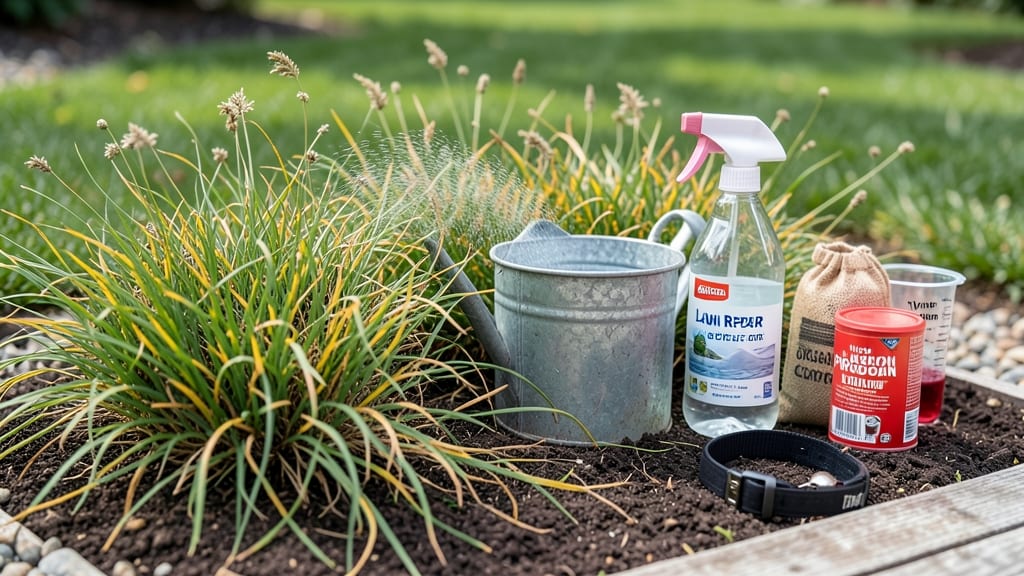
How to save your lawn from dog urine—the yellow crime scenes that turn your yard into a patchwork of shame—can be fixed in 24 hours without bleach or chemical warfare. I’ve fought this battle for years until I discovered the real solution: diluting the burn immediately and giving grass a fighting chance to recover.
Here’s the science: Dog urine is basically liquid fertilizer—too much nitrogen, not enough balance. When it concentrates in one spot, it scorches grass roots like salt on a slug. But watering right after your pup goes (even just a quick sprinkle) dilutes the damage.
For stubborn patches, a vinegar rinse (1:1 water ratio) neutralizes pH without harming pets or soil.
By next week, you’ll see lush green regrowth where yellow once ruled. The secret weapon? Overseeding damaged areas with a shade-tolerant grass blend (like fine fescue) and training your dog to rotate potty spots. No more hiding hoses or praying for rain—just a lawn that stays dog-proof and picture-perfect.
Works for any breed, any yard size, and even renters (no digging required). Let’s turn those yellow spots into grassy memories instead.
The Hidden Culprits Behind Dead Grass
If your lawn looks like it’s been hit by a yellow paintball after your dog does its business, you’re not alone. Dog urine can turn lush green grass into patchy, brown wastelands—fast. But why does this happen?
The answer lies in a mix of science, chemistry, and canine habits. Let’s break down the real reasons your lawn is suffering and what’s really going on beneath the surface.
Dog urine is a powerhouse of nitrogen—up to 25 times more concentrated than regular rainwater. When your pup pees, that nitrogen gets absorbed by the grass blades.
At first, it might even seem like a fertilizer boost—grass can look greener temporarily. But here’s the catch: too much nitrogen at once is toxic.
When nitrogen levels spike, it disrupts the grass’s ability to absorb water and other essential nutrients. The cells in the grass roots get overwhelmed, leading to osmotic shock—a process where the grass essentially drowns in its own urine.
Within hours, the affected area turns yellow or brown as the grass struggles to recover.
Fun fact: Male dogs often cause more damage because their urine is far more concentrated than that of females.
Urine isn’t just nitrogen—it’s also highly acidic, with a pH often between 6.0 and 6.5 (while healthy soil typically sits around 6.0 to 7.5).
When this acidic urine soaks into the soil, it disrupts the pH balance, making it harder for grass roots to absorb nutrients like phosphorus and potassium.
Over time, this acidity can also kill beneficial soil microbes that help break down organic matter and support grass growth. Without these microbes, your lawn’s ability to recover weakens, leaving it vulnerable to disease, drought, and further urine damage.
Pro tip: If your dog frequently pees in the same spots, those areas may develop a permanent pH imbalance, making recovery even harder.
Grass needs water to stay hydrated, but dog urine actively interferes with this process. The high salt and nitrogen content in urine draws moisture out of the grass cells through a process called osmotic pressure.
Think of it like a sponge being squeezed dry—except in this case, your grass is the sponge.
Even if you water your lawn regularly, the urine-affected areas may repel water due to the altered soil structure. This creates a vicious cycle: the grass can’t absorb water, so it wilts, and without proper hydration, it turns brown and dies.
Key insight: Overwatering won’t fix the problem—it can actually worsen root rot in already-stressed grass.
Not all dogs cause equal destruction, and it’s not just about how much they pee—it’s about where and how often they go. Here’s how your pup’s behavior impacts your lawn:
- 🏃♂️ Frequent peeing in the same spots: Repeated urination in one area burns out the soil’s ability to recover, creating permanent bald patches.
- 🌿 Long grass vs. short grass: Taller grass dilutes urine slightly, reducing damage, while short grass concentrates the burn.
- 💦 Dilution matters: Dogs that drink more water (from bowls, puddles, or wet food) produce more diluted urine, which is less damaging than highly concentrated pee.
- 🐶 Breed & diet differences: Raw-fed dogs or those on high-protein diets may produce urine with even higher nitrogen levels, increasing lawn damage.
Actionable tip: If your dog has a favorite pee spot, train them to go elsewhere—consistency is key!
Now that you know why dog urine turns your lawn into a yellow crime scene, the next step is how to fix it—and fast. Stay tuned for actionable solutions to revive your grass in 24 hours or less.
Fixing Dog Urine Damage Fast
Dog urine can turn your lush lawn into a patchwork of yellow spots, but the good news is that with the right approach, you can neutralize the damage and restore your grass in 24 hours—or even prevent it from happening in the first place.
Below, we break down the most common causes of urine damage and the practical, step-by-step solutions to fix them. Plus, we’ll share prevention tips to keep your lawn healthy long-term.
When urine sits on dry grass, it burns the blades. But if your lawn is already overwatered, the ammonia in urine lingers longer, causing deeper damage. Here’s how to reverse it:
💦 Step 1: Flush the Area Immediately
- 👨🍳 Rinse with water within 10–15 minutes of your dog peeing.
Use a garden hose on a gentle spray setting to dilute the urine without compacting the soil. - 🌧️ Pro tip: If it’s been hours, don’t worry—just water thoroughly for 10–15 minutes to help the soil absorb the excess ammonia.
🌱 Step 2: Apply a Neutralizing Agent
- 🧪 Vinegar or baking soda mix: Combine 1 gallon of water with 1 cup of white vinegar or ½ cup of baking soda.
Lightly spray the affected area (avoid oversaturating). - 🌿 Commercial neutralizers: Products like Urine Away or Pet Stain & Odor Remover contain enzymes that break down ammonia. Follow package instructions for best results.
🌱 Step 3: Revive the Grass
- 🌱 Overseed the spot: After neutralizing, sprinkle new grass seed (matching your lawn type) over the damaged area.
Lightly rake and keep it moist for 7–10 days. - ✨ Bonus: Use a lawn fertilizer with high nitrogen (like 30-0-4) to help the grass recover faster.
Dog urine is naturally acidic, which can throw off your soil’s pH balance over time. If your lawn has chronic yellowing beyond urine spots, the soil may need adjustment.
📊 Test Your Soil First
- 🧪 Grab a soil test kit (available at garden centers) or send a sample to your local Cooperative Extension Service for a professional analysis.
🔄 Adjust the pH
- 🌿 If soil is too acidic (low pH):
- Sprinkle lime (calcium carbonate) over the lawn in early spring or fall.
Follow package rates for your soil type. - 💡 Pro tip: Water the area well after applying lime to help it absorb into the soil. - 🌱 If soil is too alkaline (high pH): - Use sulfur or peat moss to lower pH gradually.
Work it into the top 2–3 inches of soil and water thoroughly.
🌱 Fertilize for Balance
- 💪 Use a balanced fertilizer (like 10-10-10) to restore nutrients. Avoid high-nitrogen fertilizers if your soil is already nitrogen-rich.
If your lawn is already struggling—whether from drought, poor soil, or foot traffic—dog urine can be the final straw. Strengthen your grass to make it resilient to future damage.
🌱 Step 1: Improve Soil Health
- 🥗 Aerate the lawn in early fall to help roots grow deeper and absorb nutrients better.
- 🌿 Add compost or organic matter (like peat moss or coconut coir) to improve drainage and nutrient retention.
🌱 Step 2: Choose the Right Grass Type
- 🌱 Cool-season grasses (like Kentucky bluegrass or fescue) recover better from urine damage than warm-season grasses (like Bermuda or Zoysia).
- 💡 Pro tip: If your lawn is thin, consider overseeding with a shade-tolerant or drought-resistant variety.
🌱 Step 3: Water Deeply & Infrequently
- 💧 Water your lawn 1–1.5 inches per week (including rainfall) to encourage deep root growth. Shallow watering makes grass more susceptible to urine burn.
- ⏰ Best time to water: Early morning (5–9 AM) to reduce evaporation and fungal risks.
The best way to save your lawn? Prevent yellow spots from appearing in the first place. Here’s how:
🐕 Train Your Dog to Pee in Designated Spots
- 🎯 Use pee pads or a gravel area far from your lawn. Reward your dog with treats when they use it.
- 🌿 Train them to pee on mulch or wood chips—these materials neutralize ammonia better than grass.
💦 Dilute Urine on the Spot
- 🚰 Keep a hose nearby and train your dog to pee while you rinse the area immediately.
- 🌧️ Pro tip: If you can’t rinse right away, water the lawn thoroughly 2–3 times a week to flush out excess ammonia.
🌱 Choose Dog-Friendly Grass Types
- 🌱 Tall fescue and perennial ryegrass are more urine-resistant than others. If you’re reseeding, pick a tough variety.
- 💡 Avoid thin, weak grass—it’s an open invitation for urine damage.
🌿 Use a Natural Urine Neutralizer Spray
- 🍃 Mix equal parts water and white vinegar in a spray bottle.
Lightly mist the lawn after your dog pees to dilute the ammonia. - 🌱 Commercial options: Look for enzyme-based sprays (like Nature’s Miracle) that break down urine before it harms the grass.
With these targeted fixes and prevention strategies, you can turn those yellow stains into green, healthy grass in no time. The key is acting fast and giving your lawn the care it needs to bounce back. 🌱✨
Frequently asked questions
Can I use bleach to fix dog urine damage on my lawn?
Never use bleach on your lawn—it will kill the grass and harm the soil. Bleach is too harsh and can leave chemical residues that damage roots permanently. Instead, use a vinegar-water mix (1:1 ratio) or commercial pet-safe neutralizers like Urine Away to safely break down ammonia without harming your grass.
How long does it take for grass to recover from dog urine?
With immediate treatment, grass can show recovery in 24-48 hours. For deeper damage, overseeding may take 7-14 days to see full regrowth. The key is acting fast—rinse with water within 10-15 minutes of your dog peeing to minimize damage.
Why does my dog's urine burn some spots but not others?
Grass thickness and soil moisture play a huge role. Thin grass or dry soil concentrates the urine's ammonia, causing burns, while thicker grass or moist soil dilutes the damage. Male dogs also produce more concentrated urine than females, explaining why some spots suffer more.
What's the best grass type to resist dog urine damage?
Tall fescue and perennial ryegrass are your best bets—they're more resilient to urine burns. For severe cases, consider clover mixes (like white Dutch clover), which handle nitrogen better than pure grass lawns. Just avoid thin, weak grass—it's an open invitation for damage!
Will my dog's diet affect lawn damage?
Dogs on raw or high-protein diets produce urine with higher nitrogen levels, worsening damage. Switching to a balanced kibble or adding wet food can dilute their urine. Also, ensure they drink plenty of water—hydrated dogs produce less concentrated pee!