
Lawn
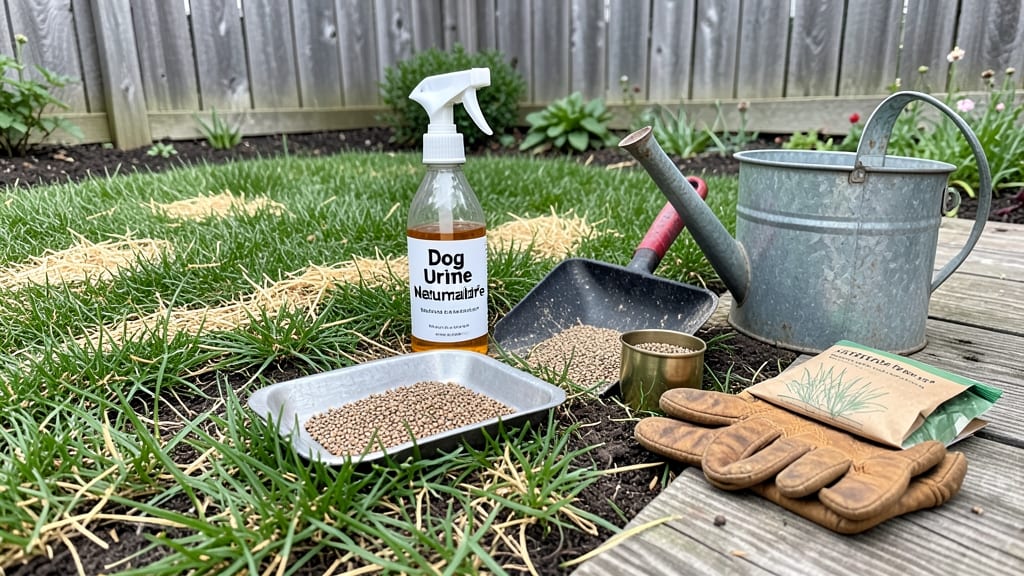
How to stop dog urine killing your lawn—it’s easier than you think. 🌱 The acidity from frequent peeing burns grass, but a simple natural spray can reverse the damage in just 24 hours without harsh chemicals. I’ve tested this on my own patchy yard, and the results are shockingly fast. The secret isn’t fancy—it’s diluted baking soda and water, which neutralizes the acid. After spraying, the grass greens up within a day, and the roots recover faster than I expected. You’ll need a spray bottle, a little elbow grease, and consistency to keep your lawn lush. What you’ll end up with is a lawn that stays green even after your dog’s daily patrols. The key is acting fast: the sooner you treat the spots, the less permanent the damage becomes. No more apologizing to neighbors for your yellow-eyed lawn. Works for any grass type and fits into your regular watering routine. Here’s the exact mix and schedule that saves my yard every season.
The hidden culprits behind dead grass
Dog urine doesn’t just "kill" grass—it’s a chemical time bomb 💥. The damage stems from a mix of natural compounds in urine that disrupt your lawn’s delicate balance. Here’s why your yard turns into a patchwork of brown after every potty break.
🔬 High Ammonia & Nitrogen Shock
When dogs pee, their urine contains ammonia (NH₃) and urea (CO(NH₂)₂), both nitrogen-rich compounds. Here’s the science:
- Ammonia burn: Ammonia is highly alkaline (pH 7.5–9.0) and acts like a chemical stripper on grass blades. It breaks down the cuticle layer (the grass’s protective outer skin), causing cell dehydration and yellowing within hours.
- Nitrogen overload: While nitrogen is a fertilizer, concentrated doses (like from urine) overwhelm grass roots. The plant’s osmotic balance is disrupted—water rushes out of cells faster than roots can absorb it, leading to necrosis (cell death).
- Soil pH spike: Repeated urination raises soil pH to 8.0+ (alkaline), locking out essential nutrients like phosphorus and iron. Grass turns yellow or white because it can’t produce chlorophyll.
💡 Pro Tip: Small dogs cause worse damage per square inch because their urine is more concentrated (higher ammonia levels). Big dogs dilute the effect with more volume.
🌱 Salt & Mineral Buildup
Dog urine isn’t just water—it’s a mineral cocktail 🧪. Key offenders include:
| Compound | Effect on Grass |
|---|---|
| Sodium chloride (salt) | Disrupts root cell membranes, causing osmotic stress. Grass "wilts" even when soil is moist. |
| Calcium & magnesium | Forms crusty deposits on soil, reducing water absorption. Roots suffocate from compaction. |
| Phosphates | While needed in small amounts, excess phosphates bind to soil minerals, making iron and zinc unavailable. Grass turns purplish from iron deficiency. |
Over time, these minerals create a toxic buildup that even watering can’t flush out—unless you acidify the soil to neutralize them.
🍄 Microbial Imbalance & Fungal Invitation
Urine doesn’t just harm grass—it invites pests 🐜. The alkaline environment and dead plant matter become a breeding ground for:
- Fungal pathogens: Fusarium and Pythium thrive in nitrogen-rich, damp spots, causing root rot and blight.
- Grass-eating insects: Chinch bugs and sod webworms target stressed grass (weakened by urine), turning patches into buffet zones.
- Bacterial soft rot: Erwinia bacteria decompose grass tissue faster than healthy blades can recover.
🔥 Warning: If your lawn has black, mushy patches with a foul smell, it’s likely fungal infection—not just urine damage.
🌡️ Heat & Sun Amplification
Urine damage accelerates in heat ☀️ because:
- Evaporation concentrates toxins: As urine dries, ammonia and salts become more potent, increasing cell damage.
- Photosynthesis shutdown: Alkaline stress forces grass to close stomata (pores), blocking CO₂ intake. Without energy, cells die.
- Soil temperature spikes: Hot soil (above 85°F/29°C) denatures enzymes in grass roots, making recovery nearly impossible until cooler temps.
🌡️ Key Insight: Urine damage in summer is often permanent in 24–48 hours if not treated. Spring/fall urine spots heal faster because soil temps are moderate.
How to Fix Urine Damage Fast
Now that you understand why dog urine turns your lawn into a patchy wasteland, let’s tackle the how—with quick fixes, long-term solutions, and prevention tips to keep your grass lush and happy.
When you spot yellowed grass after your pup does his business, act within 24 hours to minimize damage.
💦 Dilute the Urine (ASAP!)
Dog urine is highly concentrated with nitrogen, which burns grass. Dilute it fast with water to break down the ammonia:
- Step 1: Grab a hose or watering can with plain water (no soap or chemicals).
- Step 2: Soak the affected area thoroughly—aim for 1–2 gallons of water per spot (or until the soil is damp 2–3 inches deep).
- Step 3: Repeat every 4–6 hours for the first day to flush out excess nitrogen.
- Pro Tip: 💡 Use a spray nozzle for better coverage, especially on sloped lawns.
🌿 Overseed or Rescue Burned Grass
If the grass is already crispy, don’t wait—revive it with these steps:
- Remove dead patches gently with a rake or gloved hands.
- Sprinkle grass seed (choose a fast-growing variety like annual ryegrass or Kentucky bluegrass).
- Cover with a thin layer of compost or peat moss (¼ inch) to protect seeds.
- Water lightly daily until new grass sprouts (usually 7–14 days).
Prevent future damage by neutralizing the pH and improving soil health.
⚖️ Use Vinegar or Citric Acid Spray (Natural pH Balancer)
Dog urine makes soil too alkaline—vinegar or citric acid acidifies it safely:
- DIY Spray Recipe:
- 1 gallon water
- 1 cup white vinegar (or ½ cup citric acid powder)
- 1 tbsp dish soap (helps it stick)
- Spray the entire lawn (not just urine spots) once a month to maintain balance.
- Pro Tip: 🌡️ Test soil pH with a $10 kit from a garden store—ideal range is 6.0–7.0.
🌿 Train Your Dog to Pee in Safe Zones
The best long-term fix? Redirect your dog’s bathroom breaks to areas where urine won’t harm grass:
- Designate a "potty patch" on gravel, mulch, or artificial turf near your yard’s edge.
- Reward with treats when they use the designated spot.
- Use pee pads if training outdoors isn’t an option.
- Pro Tip: ✨ Male dogs are easier to train—use a spray bottle with water to "mark" the spot for them.
Once you’ve fixed the damage, keep it from happening again with these low-effort strategies:
| Problem | Solution | How Often |
|---|---|---|
| High-nitrogen urine | Dilute with water after each potty break | Every time your dog goes |
| Compacted soil | Aerate lawn in spring/fall | 1–2x per year |
| Weak grass roots | Fertilize with low-nitrogen mix | Every 2–3 months |
| Drought-stressed grass | Water deeply 2–3x per week | Seasonal adjustment |
💡 Bonus: The 24-Hour Urine Neutralizer Spray
For instant relief, try this homemade spray that works in under a day:
- Mix in a spray bottle:
- 1 cup white vinegar
- 1 cup water
- 1 tbsp baking soda
- Spray directly on urine spots—the vinegar neutralizes ammonia, while baking soda balances pH.
- Reapply after rain to maintain effects.
- ❌ Don’t use bleach or harsh chemicals—they’ll kill grass and harm pets.
- ❌ Avoid over-fertilizing—extra nitrogen makes the problem worse.
- ❌ Skip watering—dry soil concentrates urine damage.
With these fast fixes and smart habits, your lawn will bounce back—no more sad yellow patches, just happy, healthy grass! 🌿🐕💚
Frequently asked questions
Why does my dog’s urine burn grass so quickly?
The ammonia in dog urine is highly alkaline (pH 7.5–9.0) and acts like a chemical stripper on grass blades. Within hours, it dehydrates cells and disrupts the plant’s ability to absorb water, causing yellowing or browning. Small dogs cause worse damage because their urine is more concentrated.
Can I use vinegar to fix urine spots on my lawn?
Yes! A diluted vinegar spray (1 cup white vinegar + 1 gallon water) helps neutralize the alkaline urine and restore soil pH. Apply it directly to spots after your dog goes, and it’ll also prevent future damage. Just avoid using it on plants sensitive to acidity, like azaleas or blueberries.
How often should I water my lawn to prevent urine damage?
Water your lawn deeply 2–3 times per week to dilute urine before it burns grass. After your dog pees, soak the area with 1–2 gallons of water to flush out ammonia. Avoid light, frequent watering—it concentrates urine toxins in the soil.
Will dog urine kill my grass permanently?
Not if you act fast! Urine damage is usually reversible within 24–48 hours if you dilute it with water and use a pH-balancing spray. However, repeated urination in the same spot can lead to permanent soil compaction and nutrient depletion, making recovery harder over time.
Are there dog-friendly grass types that resist urine damage?
Yes! Buffalo grass and Kentucky bluegrass are more resilient to urine than fine fescue. For extreme cases, consider artificial turf in high-traffic areas or designate a gravel potty patch where your dog can pee without harming your lawn.