
Lawn
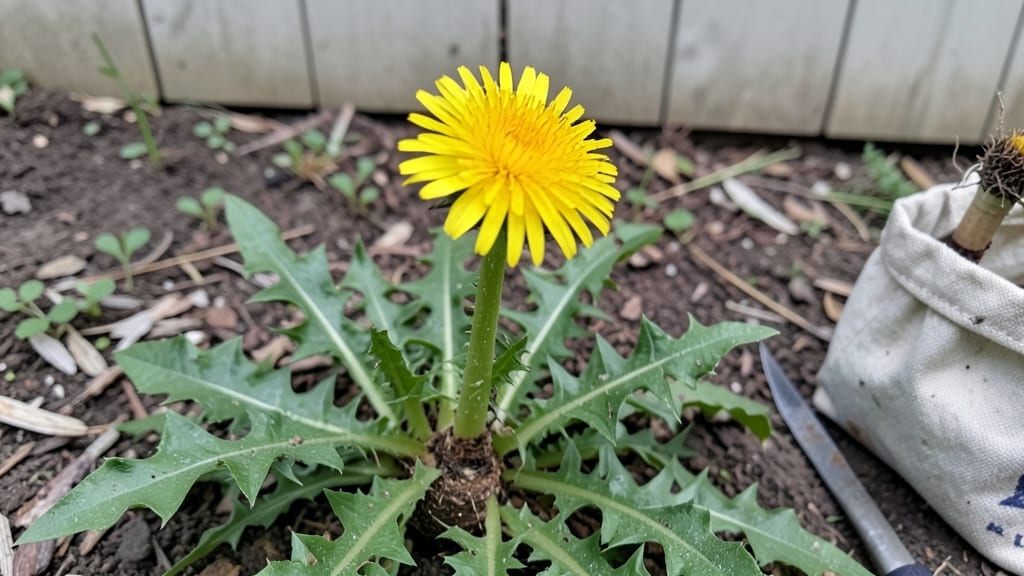
Treating dandelions in grass doesn’t have to mean harsh chemicals or endless battles with a weeder. 🌱 I’ve spent years testing what actually works—from pulling them by hand to smarter lawn care habits—and the right approach can turn your patchy lawn into a thick, weed-free carpet in just three weeks.
The problem isn’t just the dandelions themselves—it’s the thin grass letting them take over. Most lawns suffer from poor soil, overwatering, or mowing too short, which gives weeds a foothold.
The good news? Fix those issues, and your grass will crowd out dandelions naturally. I’ll show you the foolproof methods that work without store-bought sprays.
By the end, you’ll have a lawn that stays green, dense, and dandelion-free. No more digging up stubborn roots or watching them pop back up—just a simple system that keeps your yard looking sharp. Ready to reclaim your grass? Let’s get started.
This works for any lawn, from small patches to full backyards, and adapts to seasonal changes. The key is consistency—once you see results, you’ll wonder why you didn’t try this sooner.
Root Causes of Dandelion Invasion
Dandelions may seem like stubborn weeds, but their presence in your lawn is rarely random—it’s usually a sign of deeper issues. Understanding why they thrive helps you tackle the problem at its source.
Below, we break down the most common reasons dandelions take over grass, along with the science behind each cause.
🌱 Poor Soil Conditions: The Hidden Weakness
Dandelions are opportunistic survivors, thriving in soil that’s compacted, nutrient-deficient, or improperly drained. Unlike grass, which struggles in these conditions, dandelions send deep taproots (up to 15 inches!) to access water and nutrients, even in hardpan or clay-heavy soil.
- Compacted Soil: Heavy foot traffic, machinery, or poor aeration compresses soil, reducing oxygen and water flow. Grass roots suffocate, while dandelions push through with ease.
- Low Organic Matter: Soil lacking compost or organic material has fewer beneficial microbes and poor structure. Dandelions exploit this by breaking down minerals faster than grass.
- pH Imbalances: Grass prefers a pH of 6.0–7.0. If your soil is too acidic (<6.0) or alkaline (>7.5), grass weakens, leaving gaps for dandelions to colonize.
Actionable Insight: Test your soil’s pH and compaction levels (DIY kits are affordable). Amend with compost or gypsum to improve structure and nutrient availability.
🌞 Overwatering or Irregular Watering: A Dandelion’s Dream
Dandelions love moisture—too much or too little can trigger their growth. Here’s how watering habits create the perfect dandelion paradise:
- Overwatering: Soggy soil (from poor drainage or excessive watering) drowns grass roots but feeds dandelions, which thrive in wet conditions. Their taproots also store water, making them drought-resistant once established.
- Inconsistent Watering: Shallow, infrequent watering (e.g., sprinklers that only wet the surface) stresses grass, creating bare spots. Dandelions seize the opportunity, germinating within 24–48 hours of exposed soil.
- Late-Season Watering: Fall is peak dandelion germination time. If you water deeply in September or October, you’re accidentally triggering a seed explosion.
Pro Tip: Water deeply but infrequently (1–1.5 inches per week) to encourage deep grass roots. Use a rain gauge to monitor soil moisture—dandelions hate competition for water!
🌿 Thin or Dormant Grass: The Weak Link
Dandelions don’t invade healthy lawns—they exploit weakness. Thin grass creates gaps where seeds land and sprout. Here’s what causes grass to retreat:
| Cause | Why It Helps Dandelions |
|---|---|
| Lack of Fertilization | Grass needs nitrogen (N), phosphorus (P), and potassium (K) to grow thick. Without it, patches thin out, leaving room for dandelions. |
| Disease or Pest Damage | Fungal infections (e.g., brown patch) or grubs munching on roots create dead zones. Dandelions fill these "holes" faster than grass can recover. |
| Improper Mowing Height | Cutting grass too short (<2 inches) stresses it, while tall grass (>4 inches) shades out weeds. Most homeowners mow at 2.5–3 inches—the "Goldilocks zone" for dandelions. |
| Seasonal Dormancy | In winter or drought, grass goes dormant. Dandelions, however, stay active, germinating from seeds or spreading via their deep roots. |
Quick Fix: Overseed bare spots in early fall with a high-quality grass mix (e.g., Kentucky bluegrass or fescue). Fertilize with a balanced 10-10-10 or slow-release formula to crowd out weeds.
🌍 Seed Spread: Nature’s Sneaky Delivery System
Dandelions don’t just pop up—they’re deliberately dispersed by wind, animals, and even human activity. Their seeds (technically "achenes") can travel up to 5 miles on a breezy day, but closer sources are often the culprit:
- Wind Dispersal: A single dandelion can produce 2,000+ seeds per plant. When the "puffball" releases, seeds land everywhere—your lawn, sidewalk cracks, and neighbor’s yard.
- Animal Hitchhikers: Birds, squirrels, and even dogs carry seeds on their fur or drop them in manure. A single visit from a deer can deposit hundreds of seeds in your grass.
- Human Error: Mowing, raking, or blowing leaves can accidentally aerate seeds into the soil. Even "weed-free" mulch from a neighbor’s yard might contain dormant dandelion seeds.
- Persistent Roots: If you pull a dandelion without the root, it regrows from fragments. A 1-inch root piece can sprout a new plant!
Defense Strategy: Remove dandelions before they flower (when the yellow petals appear). Use a dandelion digger or fork to extract the entire root—no fragments left behind!
Key Takeaway: Dandelions are symptoms, not the disease. Fix the soil, water, and grass health, and you’ll starve them out naturally. The good news? Once you address these causes, your lawn will outcompete them in no time.
Dandelion Removal Strategies That Work
Dandelions may seem like stubborn weeds, but with the right approach, you can reclaim your lawn naturally and effectively. Below are targeted solutions based on common causes—plus prevention tips to keep your grass lush and dandelion-free.
🌱 Overcrowded or Thin Grass? Fix It Fast
If your lawn is sparse, dandelions thrive in the gaps. The fix? Thicken your grass to starve them out.
🔥 Step 1: Overseed Bare Spots
Choose a cool-season grass seed (like Kentucky bluegrass or fescue) that matches your existing lawn. Spread seed evenly over bare patches in early fall or spring, when conditions are ideal for germination.
👨🍳 Step 2: Apply Lawn Fertilizer
Use a balanced, slow-release fertilizer (like 10-10-10) to promote deep root growth. Focus on nitrogen—it helps grass outcompete weeds.
⏰ Step 3: Water Deeply & Consistently
Water 1–1.5 inches per week, encouraging grass roots to grow deep. Shallow watering keeps grass weak and dandelions happy.
💡 Pro Tip: Mow high (3–4 inches) to shade out weeds and retain moisture.
💦 Poor Drainage or Wet Spots? Drain & Dry
Dandelions love soggy soil. Improve drainage to make your lawn less inviting to them.
🔪 Step 1: Aerate Compacted Soil
Rent a core aerator to pull small soil plugs, breaking up compaction. Do this in early fall for best results.
🌡️ Step 2: Amend Soil with Sand or Compost
Mix in ¼ inch of coarse sand or compost to improve drainage. Avoid heavy clay soils—amend gradually over time.
🎯 Step 3: Install a French Drain (If Needed)
For chronically wet areas, bury a perforated pipe surrounded by gravel to redirect water away from your lawn.
✨ Prevention Tip: Test your soil’s pH (ideal: 6.0–7.0). Acidic soil weakens grass—add lime if needed.
🌞 Too Much Sun or Heat Stress? Adjust Care
Dandelions pop up when grass struggles under harsh conditions. Adjust your lawn care routine to help it recover.
🍳 Step 1: Mulch Grass Clippings
Leave clippings on the lawn to return nutrients to the soil. Avoid bagging—it deprives grass of natural fertilizer.
🌿 Step 2: Use a Drought-Resistant Grass Blend
If your area gets little rain, switch to drought-tolerant grasses like Bermuda or Zoysia. They outcompete weeds better.
💧 Step 3: Water Early Morning Only
Avoid evening watering to prevent fungal diseases. Deep, infrequent watering (2–3 times per week) strengthens roots.
💡 Pro Tip: Apply a light layer of compost in spring to retain moisture and improve soil health.
🧹 Late to Remove Weeds? Try Spot Treatments
If dandelions are already established, targeted removal works best.
🔥 Step 1: Dig Out Deep Roots
Use a dandelion weeder or fork to pull the entire taproot (including the crown). Break off any remaining root fragments to prevent regrowth.
👨🍳 Step 2: Apply Corn Gluten Meal
Sprinkle corn gluten meal (a natural pre-emergent) over the lawn in early spring. It prevents weed seeds from sprouting without harming grass.
🌱 Step 3: Smother with Cardboard & Mulch
For stubborn patches, lay down cardboard, wet it, then cover with 2–3 inches of mulch. In 3–4 weeks, grass will regrow while blocking weeds.
✨ Prevention Tip: Reapply corn gluten meal annually in early spring to keep dandelions from returning.
With these strategies, your lawn can go from dandelion-infested to vibrant in just a few weeks—without harsh chemicals. Start with one method that fits your lawn’s biggest issue, and watch the transformation!
Frequently asked questions about managing dandelions in lawns
Why do dandelions keep coming back even after I pull them?
Dandelions regrow because their deep taproots often break when pulled by hand. Always dig out the entire root (including the white crown) using a dandelion weeder or fork. Even a 1-inch root fragment can sprout a new plant—so check carefully for any pieces left behind.
Is vinegar safe to use on dandelions in grass?
Vinegar kills dandelions on contact, but it’s not lawn-safe. The acetic acid can damage grass blades and disrupt soil microbes. For spot treatment, use a 1:1 vinegar-water mix with dish soap (applied only to weeds), but avoid areas where grass grows. For lawns, opt for targeted digging or natural pre-emergents like corn gluten meal.
When is the best time of year to treat dandelions?
Early spring (March–April) and fall (September–October) are ideal. In spring, treat before seeds form; in fall, focus on removing established plants before they spread. Avoid summer heat, which stresses grass and can make treatments less effective. For chemical-free methods, prioritize overseeding in fall to crowd out weeds naturally.
Will herbicides really eliminate dandelions for good?
Selective herbicides (like 2,4-D) can kill dandelions, but they don’t address the root cause—thin grass. Without improving soil health or overseeding, new dandelions will return. For long-term results, combine herbicides with lawn renovation (aeration, compost, and proper mowing). Always follow label instructions to avoid harming grass.
Can I prevent dandelions from spreading to my neighbor’s yard?
You can’t control your neighbor’s lawn, but you can stop seeds from traveling. Remove dandelions before they flower (no yellow petals), and bag mower clippings if seeds are present. For windborne seeds, consider a 1-foot-wide mulch border of wood chips or gravel along property lines to block their spread.