
Lawn
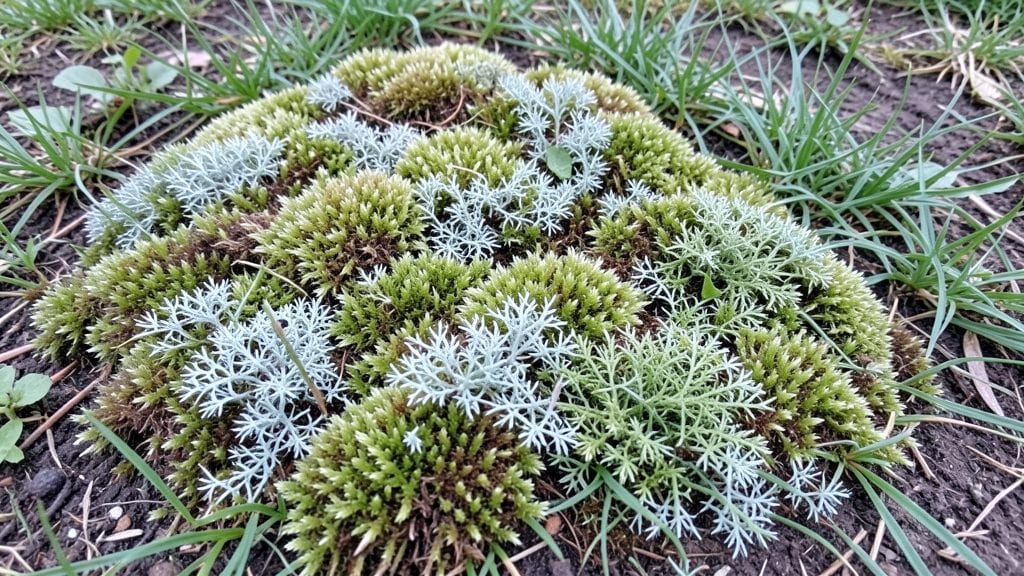
When moss takes over your lawn, it’s not just an eyesore—it’s a sign your grass is struggling to compete. I’ve seen moss choke out entire lawns in damp, shaded spots, leaving behind that telltale springy green carpet.
The good news? You can reverse it naturally, without harsh chemicals, in just three weeks with the right approach.
Moss thrives where grass can’t—shady, compacted, or poorly draining soil. It doesn’t need roots like grass does, so it outcompetes weak turf. The fix starts with improving your lawn’s conditions: aerating to break up thatch, overseeding with shade-tolerant grass, and adjusting watering to keep soil moist but not soggy.
I’ve revived lawns this way even in heavy shade.
By the end of three weeks, you’ll see thick, green grass reclaiming space as moss withers. The key is consistency: keep the soil healthy, mow higher in shady areas, and avoid heavy foot traffic that compacts the ground.
Your lawn won’t just look better—it’ll stay resilient against future moss invasions.
This method works for any lawn, whether it’s a small yard or a large property. The secret is patience and the right techniques—no chemicals needed. Let’s get your lawn back to lush and moss-free for good.
The Hidden Triggers Behind Lawn Moss
Moss may seem like a harmless, even picturesque, ground cover—but when it starts dominating your lawn, it’s usually a sign your turf is sending out an SOS. Understanding the root causes (literally!) is the first step to reclaiming your green space.
Below, we break down the real reasons moss takes over, backed by science and actionable insights.
🌧️ Poor drainage: moss’s favorite moisture trap
Moss thrives in wet conditions because it lacks deep roots and absorbs water directly through its leaves. If your lawn stays soggy for prolonged periods—whether from heavy clay soil, a slope directing water runoff, or compacted ground—moss gets the upper hand. Here’s why:
- Oxygen Starvation: Waterlogged soil cuts off oxygen to grass roots, suffocating them while moss (a non-vascular plant) survives just fine in low-oxygen zones.
- Fungal Foes: Excess moisture invites Pythium and Rhizoctonia fungi, which weaken grass and create the perfect moss-friendly mat.
- Shady Secrets: Moss often moves in after grass dies back in damp, shaded areas—think under trees or along foundations.
💡 Pro Tip: Test your soil’s drainage by digging a 6-inch hole, filling it with water, and timing how long it takes to drain. If it’s slower than 6 hours, your lawn is a moss magnet.
⚡ Acidic soil: the pH power struggle
Grass prefers a neutral to slightly alkaline pH (6.0–7.5), while moss loves acidic soil (below 5.5). Over time, organic matter decomposes, releasing acids that lower pH—especially in cool, wet climates. Here’s how it plays out:
- Nutrient Lockout: Acidic soil binds essential nutrients like nitrogen and phosphorus, starving grass while moss (which needs fewer nutrients) flourishes.
- Fungus Boost: Low pH encourages moss-sporing fungi like Mucor, speeding up its spread.
- Thatch Buildup: Decomposing moss adds to thatch layers, further blocking water and air from reaching grass roots.
🌡️ Test It: Grab a soil pH kit (or send a sample to your local extension office) to confirm the culprit. If it’s below 5.5, lime may be your best friend.
☀️ Shade outsmarting grass
Most lawn grasses need 4–6 hours of direct sunlight daily to photosynthesize and grow. When trees, buildings, or even dense shrubs cast long shadows, grass weakens—and moss moves in. Why?
- Energy Deficit: Grass blades can’t produce enough chlorophyll in low light, slowing growth and making them vulnerable to moss competition.
- Moisture Retention: Shady areas dry out slower, creating the damp conditions moss craves.
- Root Shallowing: Grass roots grow less deeply in shade, making them more susceptible to moss smothering the surface.
✨ Solution: If shade is permanent, opt for shade-tolerant grasses like Fine Fescue or Kentucky Bluegrass. For spotty shade, consider strategic pruning or artificial lighting (yes, really!).
🪓 Compacted soil: the silent grass killer
Foot traffic, heavy machinery, or even pets can compact soil, crushing soil pores and blocking water, air, and nutrients. Compacted soil:
- Strangles Roots: Grass roots can’t penetrate dense layers, leading to thinning patches where moss takes root.
- Traps Moisture: Compacted zones hold water like a sponge, creating the ideal moss habitat.
- Reduces Microbes: Beneficial soil bacteria and fungi (which help grass thrive) get crowded out.
🔥 Fix It: Aerate your lawn in fall or spring to relieve compaction. For severe cases, top-dress with compost to improve soil structure.
Moss isn’t just a nuisance—it’s a symptom of deeper lawn health issues. By identifying which factors are at play in your yard, you can target the real problem and restore your grass’s dominance. Stay tuned for our next section on diagnosing your lawn’s specific moss issues!
How to Fix Your Lawn’s Moss Overgrowth
Moss creeping into your lawn doesn’t have to mean a lost battle—it’s a fixable problem! The key is addressing the root causes (literally and figuratively) with targeted solutions.
Below, we’ll break down the most effective fixes based on why moss thrives in your yard, plus long-term prevention to keep it from returning.
🔥 Shady Lawn? Boost Light & Airflow
Moss loves shade, so if your yard is under tree canopies or surrounded by fences, it’s a prime target. Here’s how to outsmart it:
- 🌳 Thin Out Dense Trees or Shrubs Prune branches to let more sunlight reach the ground (aim for at least 4–6 hours of direct sunlight daily). Use a pole saw or hedge trimmer for high branches, and hand pruners for smaller limbs. Pro Tip: 💡 Trim in late winter/early spring before moss spreads aggressively.
- 🌿 Aerate to Improve Soil Drainage Compacted soil traps moisture—moss’s favorite condition. Rent a core aerator (or hire a pro) to pull small soil plugs, then top-dress with compost or sand to loosen the ground. Pro Tip: ✨ Aerate in fall or early spring for best results.
- 🪓 Remove Moss by Hand or Rake For small patches, pull moss up with a garden fork or rake it away. Avoid chemical killers—they can harm grass roots. Warning: ⏰ Do this on a dry day to prevent spreading spores.
💧 Too Much Moisture? Dry It Out
Moss thrives in damp, soggy soil. If your lawn stays wet for long periods, it’s a magnet for moss. Fix it with these steps:
- 🚰 Improve Drainage with Sand or Gravel Amend heavy clay soil with coarse sand or perlite (mix 1 part sand to 3 parts topsoil). For low spots, add a gravel base before reseeding. Pro Tip: 🌡️ Test soil moisture—if it stays wet more than 24 hours after rain, drainage is the issue.
- 🌞 Water Less Frequently, But Deeply Moss loves shallow, frequent watering. Switch to deep watering 1–2 times per week (early morning) to encourage grass roots to grow deeper. Pro Tip: 🎯 Use a soaker hose to water at the base of grass, not the leaves.
- 🔄 Install French Drains or Swales For chronically soggy areas, redirect water with French drains (buried perforated pipes) or swales (shallow trenches filled with gravel).
🌱 Weak Grass? Strengthen the Sod
If moss has taken over because your grass is thin or struggling, it’s time to revive the turf:
- 🌾 Overseed with Moss-Resistant Grass Choose fine fescue, Kentucky bluegrass, or tall fescue—these tolerate shade better than Bermuda or St. Augustine. Spread seed in fall (ideal germination temps: 60–75°F). Pro Tip: 🔥 Use a slit-seeder for better seed-to-soil contact.
- 💊 Apply a Slow-Release Fertilizer Moss outcompetes weak grass. Feed your lawn with a low-nitrogen, high-phosphorus fertilizer (like 10-20-10) to encourage root growth. Warning: ⚠️ Avoid high-nitrogen fertilizers—they can burn grass and feed moss!
- 🛡️ Use Corn Gluten Meal (Natural Pre-Emergent) This organic option suppresses weeds and moss while feeding grass. Apply 10–20 lbs per 1,000 sq ft in early spring or fall.
🌿 Prevention: Keep Moss From Coming Back
Once you’ve cleared the moss, lock it out with these habits:
| Problem | Solution | When to Do It |
|---|---|---|
| Shade buildup | Prune trees, add reflective surfaces | Late winter/early spring |
| Compacted soil | Aerate + top-dress with compost | Fall or spring |
| Poor drainage | Install swales or French drains | Year-round (best in dry season) |
| Thin grass | Overseed + fertilize | Fall (ideal for cool-season grasses) |
| High humidity | Improve airflow with edging | Anytime (especially after rain) |
Pro Tip: ✨ Walk on your lawn less—foot traffic compacts soil and invites moss. Use stepping stones or mulch paths instead.
Final Thought: 🌱 With the right mix of sunlight, drainage, and grass health, moss won’t stand a chance. Start with one or two fixes this season, then build on them yearly for a lush, moss-free lawn!
Frequently asked questions about moss overgrowth
Why does moss spread faster than grass in my yard?
Moss thrives where grass struggles—typically in shady, damp, or compacted areas. Unlike grass, moss doesn’t need deep roots or sunlight to survive. It spreads through spores that float in the air or hitchhike on pets and shoes. When grass weakens from poor conditions, moss fills the gap quickly.
Is moss harmful to my lawn’s health?
Moss itself isn’t toxic, but it’s a symptom of deeper lawn issues. It smothers grass roots by blocking sunlight and air, while its acidic nature can lower soil pH over time. Left unchecked, moss creates a cycle of poor drainage and compaction that weakens your turf’s overall health.
Can I just rake out moss and expect grass to grow back?
Raking helps, but it’s only part of the solution. After removal, you’ll need to improve soil conditions—like aerating compacted areas and overseeding with shade-tolerant grass varieties. Without fixing the underlying moisture or sunlight issues, moss will likely return within weeks.
What’s the fastest way to kill moss without chemicals?
For immediate results, try a boiling water treatment (pour directly on moss patches) or a vinegar solution (1 part white vinegar to 3 parts water). Both methods work within 24–48 hours, but you’ll still need to address soil drainage and grass health to prevent regrowth.
Will lime really help if my lawn has too much moss?
Yes! Lime raises soil pH, creating conditions unfriendly to moss while benefiting grass. For acidic soil (pH below 5.5), apply pelletized lime at 20–50 lbs per 1,000 sq ft in fall. Test your soil first—over-applying lime can harm grass. Combine it with aeration for best results.