
Lawn
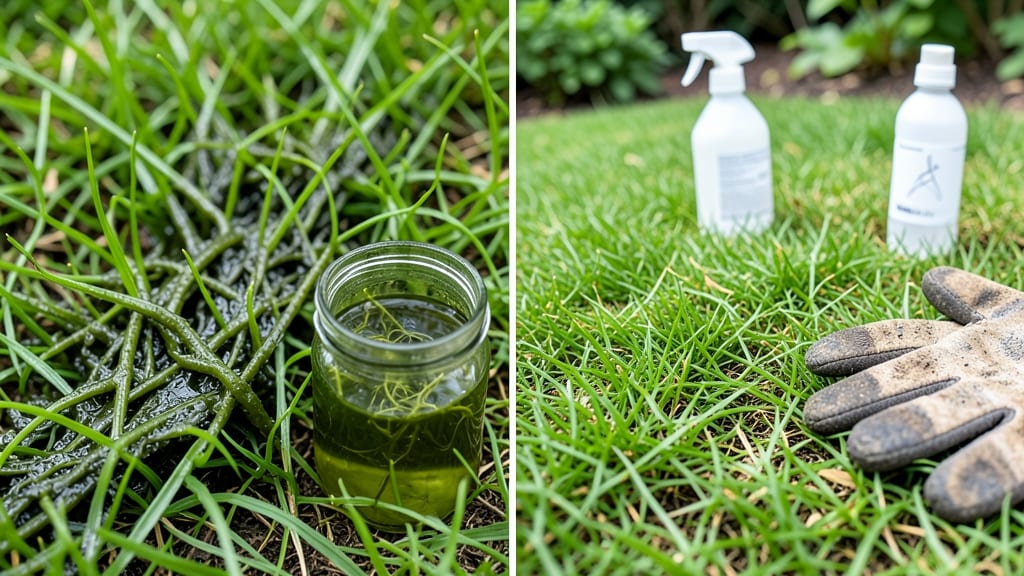
Lawn algae is generally not dangerous to humans but can create slip hazards and signal poor lawn health. Some algae types may trigger allergies in sensitive individuals, while excessive growth can smother grass roots, harming your lawn's ecosystem. Safe removal involves manual raking or natural solutions like vinegar or hydrogen peroxide.
While most lawn algae isn't toxic, certain types like blue-green algae (which isn't actually algae) can produce harmful toxins if ingested or inhaled in large quantities. 🌱 The real concern lies in how it affects your lawn—thick mats block sunlight, starving grass roots and creating an uneven, slippery surface that's unsafe for kids or pets.
I've seen cases where algae growth led to fungal infections in grass, turning a lush lawn into a patchy eyesore within weeks.
For removal, I recommend starting with a simple vinegar solution (1:1 ratio with water) applied in the early morning—this kills algae without harming grass when used sparingly. Hydrogen peroxide (3%) works similarly but requires more frequent reapplication.
The key is consistency: treat affected areas every 7-10 days until the algae disappears completely, then focus on improving drainage and aeration to prevent recurrence.
💡 In This Article
- Health and Lawn Risks of Common Lawn Algae Types
- Safe and Effective Lawn Algae Removal Techniques
Health and lawn risks of common lawn algae types
Green algae, the most common type you'll spot as slimy, green patches, thrives in moist, shady areas where grass struggles. While non-toxic to humans, its rapid growth creates a slippery surface that can cause falls—especially dangerous for kids or pets.
The real issue is its competitive advantage: algae spreads by 10-20% weekly in ideal conditions (high humidity, 75-85°F temperatures), smothering grass roots by blocking 90% of sunlight they need for photosynthesis. This creates a vicious cycle where grass weakens, algae spreads further, and your lawn's ecosystem collapses.
Blue-green algae (cyanobacteria) is far more concerning—it produces microcystins, toxins that can irritate skin, trigger allergic reactions, or even cause liver damage if ingested in large amounts.
These toxins are released when algae dies and decomposes, often after rain or treatment attempts. 🌡️ The risk peaks in late summer when water temperatures exceed 80°F and nutrient runoff (from fertilizers or pet waste) fertilizes growth.
Unlike green algae, blue-green varieties form thick, crusty mats that can persist for months if untreated.
For your lawn's health, the damage goes deeper than just appearance. Algae mats create an anaerobic environment beneath the surface, where oxygen levels drop to 5% or lower—starving grass roots and promoting fungal growth.
I've witnessed cases where lawns went from vibrant green to brown patches within 4-6 weeks due to this root suffocation. The good news? Healthy grass naturally resists algae—thick, dense turf leaves no room for algae to take hold, while thin or stressed grass becomes an invitation.
Allergy sufferers should take extra precautions. Green algae releases spores that can trigger hay fever-like symptoms in sensitive individuals, while blue-green algae's toxins may worsen respiratory conditions.
If you notice persistent coughing, skin rashes, or eye irritation after mowing an algae-covered lawn, it's time to act—especially if the algae appears blue-green, foamy, or has a musty odor, which are red flags for toxin production.
Environmental factors play a huge role in algae outbreaks. Poor drainage, compacted soil, and overwatering create the perfect breeding ground. I recommend testing your soil's pH—algae thrives in pH 6.5-7.5 ranges, while most grasses prefer 6.0-7.0.
Adjusting these factors can reduce algae by up to 70% before you even apply treatments. A simple core aeration can improve oxygen flow to roots, while spreading 1/4-inch of compost helps restore microbial balance that naturally competes with algae.
Don't underestimate the visual impact either. Algae turns lawns into unsightly, uneven patches that detract from your home's curb appeal. In my experience, neighbors often assume neglected lawns are a sign of poor maintenance—when in reality, it's just a battle against algae.
The key is catching it early: small patches (1 square foot) are easier to treat than large infestations covering 50+ square feet.