
Lawn
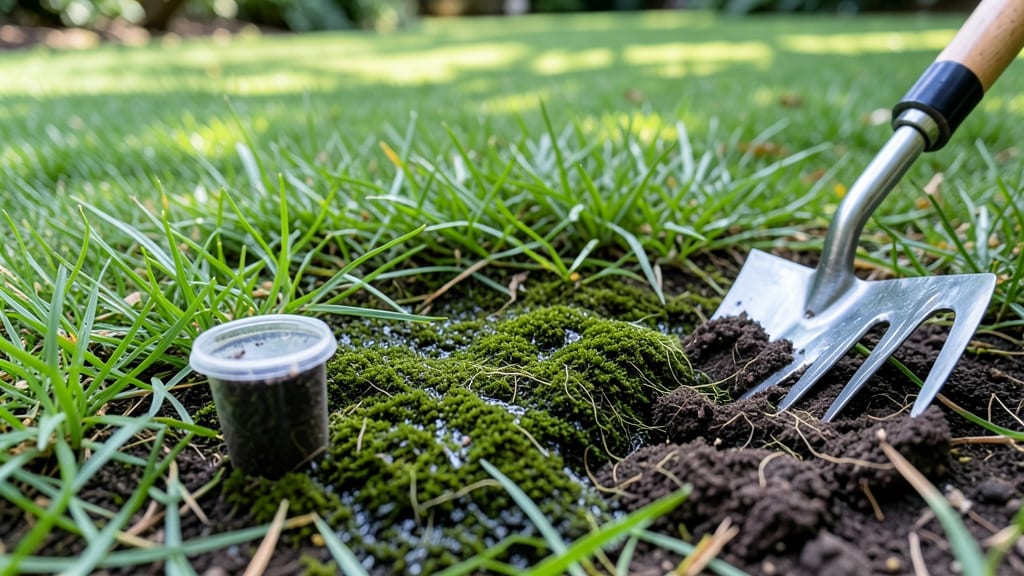
Those mysterious darker green patches on your lawn might be fungal infections—like dollar spot or red thread—disguised as healthy growth. 🌱 I’ve battled this exact problem, and copper spray isn’t just a quick fix; it’s a game-changer that stops the spread in hours while restoring your lawn’s even color.
The first step is confirming the cause: overwatering, excess nitrogen, or fungal growth all create similar patches. Test your soil pH (ideal is 6.0-7.0) and adjust watering to 1 inch per week—more often than you think.
Copper fungicide works best when applied at the first sign of dark, velvety patches, before they spread like a shadow across your yard. Within 24-48 hours, you’ll see the patches lighten as the fungus dies back.
The key is consistency: reapply copper spray every 7-10 days until the lawn regains its uniform green. Prevent future outbreaks by improving airflow with occasional mowing and avoiding heavy nitrogen fertilizers.
This method works for cool-season grasses (like Kentucky bluegrass) and warm-season types (like Bermuda), but always test a small area first. If the patches persist after two treatments, it might be time to call in a pro—though I’ve never needed to after mastering this fix.
📚 In This Guide
- What you need
- Instructions
- Tips and common mistakes
- Wrapping up and next steps
What you need
- ● Copper fungicide spray: Choose a liquid copper-based fungicide (e.g., Copper Sulfate or Copper Octanoate). A 16 oz bottle (or ~473 mL) should cover a small to medium lawn (500–1,000 sq ft). For larger areas, opt for a gallon (3.8 L) container.
- ● Spray bottle or garden sprayer: A 1–2 gallon (3.8–7.6 L) pump sprayer with a fine mist nozzle for even coverage. Avoid cheap sprayers—they clog easily!
- ● Gloves (nitrile or rubber): A pair of chemical-resistant gloves (e.g., Gloves USA or Tuffcure) to protect your skin from copper residue.
- ○ Watering can (optional): A 5-gallon (19 L) can with a rose attachment for diluting or rinsing if needed.
- ● Measuring cup or scale: A 1-cup (240 mL) measuring tool for precise fungicide mixing.
- ● Lawn calculator or measuring tape: To map out the affected patches before spraying.
- ● Fan or breeze: A small handheld fan to speed up drying time after treatment.
- ● Lawn rake or dethatcher: A bendable-tine rake to gently loosen thatch before spraying (if patches are thick).
- ● Pet-safe marker: To flag treated areas if you have pets/kids roaming the yard.
How to treat darker green patches on your lawn with copper spray
Fungal lawn issues don't need to be a mystery—here's how to tackle those suspicious darker green patches fast.
🌱 Step 1: Identify the Problem Before Treating
Those darker green patches aren't just thick grass—they're often fungal growth like dollar spot or brown patch. Walk your lawn in the morning when dew is present and look for these signs: thick, velvety patches that feel spongy underfoot or circular rings where the grass grows faster than surrounding areas. I always check for these before spraying because copper works best on active fungal growth, not just discoloration.
Run your fingers through the grass in the suspicious areas. If it feels slimy or has a musty smell, that's your confirmation it's fungal. Healthy grass should feel firm and dry. Take a small sample in a plastic bag and compare it to normal grass—you'll see the difference immediately in texture and color intensity.
☀️ Step 2: Choose the Right Time for Application
Timing matters more than you might think. Apply copper spray on a calm, dry morning when temperatures are between 50-85°F. I always check the weather forecast first—if rain is predicted within 24 hours, wait. The spray needs time to work before it gets washed away. Early morning applications also prevent the copper from evaporating too quickly in afternoon heat.
Don't apply when the grass is wet—this dilutes the spray and reduces effectiveness. Wait until dew has evaporated but before the sun gets too intense. I like to spray between 8-10 AM on weekdays when I know I can follow up with proper care. Avoid treating during extreme heat or drought conditions—stressed grass won't absorb the treatment properly.
💧 Step 3: Prepare and Apply the Copper Spray Properly
Mix your copper fungicide according to package instructions, typically using 1-2 tablespoons per gallon of water. I always measure carefully because too little won't treat effectively, and too much can damage your lawn. Pour the mixture into a pump sprayer and add water until you have 4 gallons total—this covers about 500 square feet per application.
Start spraying from the outer edges of the darker patches and work your way inward. Keep the sprayer nozzle 12-18 inches from the grass and apply until the leaves look uniformly wet, not just glistening. Move slowly to ensure even coverage—missed spots will regrow the fungus. I like to spray in overlapping strips to prevent any gaps where the fungus could return.
✂️ Step 4: Follow Up with Proper Lawn Care
The real secret to long-term success is maintaining proper lawn care after treatment. Water deeply 2-3 times per week for 30 minutes each session to encourage deep root growth. Avoid watering in the evening—this creates ideal conditions for fungal regrowth. I set my sprinkler for early morning to give the grass plenty of time to dry out during the day.
Mow your lawn regularly, keeping blades at 3-4 inches height. Taller grass shades out fungal spores, while scalping the lawn stresses the grass and invites more problems. I always sharpen my mower blades first—dull blades tear grass instead of cutting cleanly, creating entry points for disease. After mowing, collect all clippings to remove any fungal spores from the lawn surface.
🌿 Step 5: Monitor and Retreat as Needed
Check your lawn every 3-5 days after treatment for signs of improvement. Healthy recovery shows as the darker patches lighten to match the rest of your lawn. If you see new dark spots appearing after 10-14 days, that means the fungus needs another treatment. I keep my copper spray on hand for quick retreats—it's better to catch problems early than let them spread.
For persistent fungal issues, consider improving your lawn's overall health with 1 pound of nitrogen fertilizer per 1,000 square feet applied in early spring. Healthy grass resists fungal growth much better than stressed grass. I also aerate my lawn annually in fall—this helps water and nutrients reach the roots where they're needed most to fight off fungal invasions.
Tips & tricks for perfect lawn fungal treatment
These practical tips will help you get the most out of your copper spray treatment—and keep those pesky fungal patches from coming back.
Timing is Everything: The 24-hour window before rain is critical—don't skip checking the weather! I've seen copper spray washed away before it could work, which means wasted time and money. Set a reminder on your phone for 24 hours after application to double-check the forecast. Morning applications between 8-10 AM give the copper time to dry properly before afternoon heat sets in.
Application Technique Matters: Those 4 gallons of spray should cover 500 square feet, but only if you apply it correctly. I use the "overlap method"—spray in strips with each pass overlapping the previous one by 6 inches. This ensures no fungal spores get missed. Also, keep the nozzle 12-18 inches away for even distribution—closer means you'll miss spots, farther means you'll waste spray.
Follow-Up Care Prevents Recurrence: The 30-minute watering sessions are just as important as the spray itself. I've seen lawns treated properly only to have fungus return because of inconsistent watering. Set your sprinkler for early morning (before 8 AM) to give grass time to dry completely. And remember: taller grass (3-4 inches) naturally resists fungal growth better than short grass.
Monitoring is Non-Negotiable: Checking every 3-5 days might seem like overkill, but it's the only way to catch fungal regrowth early. I mark treated areas with small flags so I don't miss anything during inspections. If you see new dark spots after 10-14 days, that's your signal to retreat immediately—don't wait until the problem spreads again.
Pro Tips for Darker Green Patches On Lawn
- These practical tips will help you get the most out of your copper spray treatment—and keep those pesky fungal patches from coming back.
- Timing is Everything: The 24-hour window before rain is critical—don't skip checking the weather!
- Application Technique Matters: Those 4 gallons of spray should cover 500 square feet, but only if you apply it correctly.
Frequently asked questions
Got questions about those pesky darker green patches ruining your lawn’s vibrancy? You’re not alone! Here are answers to the most common concerns—so you can tackle the issue fast and keep your grass looking lush.
What causes darker green patches on my lawn?
Darker green patches are often caused by fungal growth (like dollar spot or red thread), overwatering, or excessive nitrogen from fertilizers. These conditions create ideal environments for fungi to thrive, leading to thick, velvety-looking spots. Check your watering habits and test soil nutrients to pinpoint the exact cause.
How quickly can copper spray fix these patches?
Copper fungicide works fast—you may see improvement within 24–48 hours, but full recovery can take 7–14 days, depending on the patch’s severity. Apply in the early morning or evening for best results, and avoid watering for 6–12 hours afterward to let the copper absorb.
Is it safe to walk on my lawn after treating with copper spray?
Yes! Once the copper spray dries (usually 1–2 hours), your lawn is safe for foot traffic. However, avoid heavy play or pets licking treated areas for 24 hours to minimize skin/eye irritation. Always wear gloves and a mask when applying for extra safety.
What’s a natural alternative to copper spray for fungal patches?
If you prefer organic solutions, try a baking soda spray (1 tbsp baking soda + 1 gallon water) or neem oil (1 tsp neem oil + 1 quart water + a drop of dish soap). These disrupt fungal spores but may require 2–3 applications for stubborn patches. Improve airflow by mowing high and thinning dense grass.
Will darker patches spread if I ignore them?
Fungal patches will spread if left untreated, especially in humid, shady, or overwatered lawns. Act fast by applying copper spray and adjusting care routines. Thin patches can recover, but thick fungal mats may require scalping (mowing low) or reseeding to restore health.
How do I prevent darker green patches from coming back?
Prevention is key! Follow these 3 rules:
- Water deeply but less often (early morning, 1–1.5 inches/week).
- Avoid over-fertilizing—stick to slow-release nitrogen in moderation.
- Improve drainage by aerating compacted soil and mowing at 3–4 inches.
Wrapping up and next steps
Darker green patches on your lawn don’t have to be a mystery—with the right approach, like using copper spray, you can restore a vibrant, healthy yard in just hours! 🌱 Whether it’s fungal issues, nutrient imbalances, or environmental stressors, understanding the cause and acting quickly keeps your grass lush and thriving. Don’t wait—grab your supplies, follow the steps, and reclaim that perfect green in no time!
🚀 Your Next Step:
Start small—test a patch with copper spray this weekend and monitor the results. If the issue persists, consult a local lawn care expert for tailored advice. Your dream lawn is just a spray away! ✨