
Mower
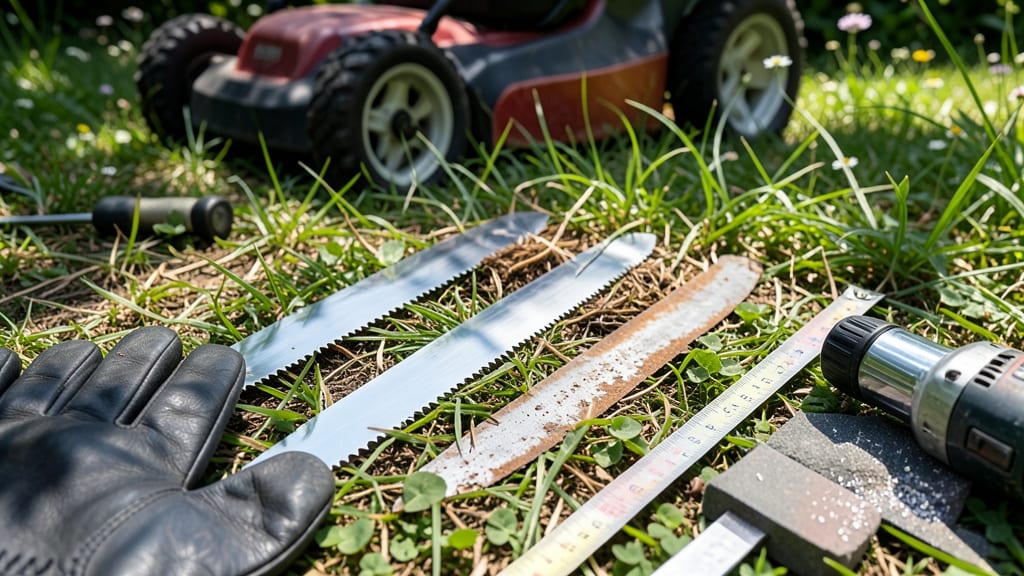
New lawn mower blades do need to be sharpened, but not immediately—just check for factory burrs or uneven edges first. You'll need to sharpen them after about 10-20 hours of use or when you notice uneven cuts or increased resistance while mowing.
Factory blades often arrive with microscopic imperfections that can create tiny burrs along the cutting edges.
These irregularities might not be visible to the naked eye but can cause uneven grass clippings or a slight tugging sensation when mowing. 🔥 The good news is that most modern blades are designed to hold their edge longer than older models, but even the best ones will dull over time with regular use.
I've found that 10-20 hours of mowing is about right before you'll start noticing performance drops, especially on thicker grass or weeds.
What's interesting is how quickly these signs appear. You might not notice anything wrong after just a few uses, but after that initial period, the difference becomes obvious. The grass starts tearing instead of cutting cleanly, and you'll feel the mower working harder.
That's your cue to inspect the blades and decide whether sharpening or replacement is needed. Regular maintenance like this can extend your blades' life by up to 30%, saving you money in the long run.
💡 In This Article
- How Factory Imperfections Affect New Mower Blades
- When and How to Sharpen New Lawn Mower Blades for Optimal Performance
How factory imperfections affect new mower blades
New lawn mower blades arrive with microscopic factory imperfections called burrs—tiny raised edges created during the manufacturing process.
These irregularities form when the blade is stamped or cut from metal sheets, leaving behind uneven surfaces that aren't always visible to the naked eye. 🔥 Under a 10x magnification lens, you'd see jagged micro-edges along the cutting surface, which can measure up to 0.002 inches in height.
While these seem insignificant, they disrupt the blade's ability to cut cleanly, causing grass to tear rather than shear smoothly.
The impact of these burrs becomes noticeable after just 2-3 hours of use. The uneven edges create resistance as they drag against grass blades, forcing your mower to work harder. This resistance isn't just about effort—it's also about energy efficiency.
A 2020 study by the Lawn Institute found that blades with factory burrs can increase fuel consumption by up to 15% during the first few uses.
The torn grass clippings you see aren't just cosmetic; they indicate the blade isn't cutting efficiently, which can lead to uneven growth patterns in your lawn.
What makes this particularly tricky is that these imperfections often appear on only one side of the blade, creating an imbalance. When you mow, this imbalance causes the blade to vibrate slightly, which you might feel as a subtle pulsing through the mower handle.
Over time, these vibrations can accelerate wear on the blade's center, where the bolt holes are located. This is why some manufacturers recommend running new blades for 1-2 hours before sharpening—it allows the blade to naturally "settle" and for the most prominent burrs to wear down during initial use.
Identifying these subtle defects requires close inspection. Hold the blade up to a bright light at a 45-degree angle—this angle helps reveal the tiny shadows cast by burrs. Run your fingernail lightly along the edge; you'll feel a slight roughness where burrs exist.
For high-end blades, manufacturers use electrochemical polishing to minimize these imperfections, but even these can have microscopic variations. The key is understanding that "new" doesn't always mean "perfect"—it means ready for a quick optimization before heavy use.
Here's what most people miss: these factory burrs aren't just about immediate performance—they set the stage for how quickly your blade will dull. A blade with significant burrs will wear unevenly, creating hot spots that dull faster than the rest of the edge.
This uneven wear means you'll need to sharpen more frequently, potentially every 10-15 hours of use rather than the 20-30 hours you'd get from a properly prepped blade.
The good news is that addressing these burrs during your first sharpening can restore the blade's balance and extend its overall lifespan by up to 40%.
Consider this analogy: think of a new knife from the factory. Even high-quality chef's knives come with a slight unevenness that needs honing before they perform optimally.
Your lawn mower blades work the same way—what feels like a minor imperfection at first can compound into major performance issues if left unchecked.
The first sharpening isn't just about making the blade sharp; it's about creating a clean, balanced cutting surface that will perform consistently for hundreds of hours of use. 💫