
Lawn
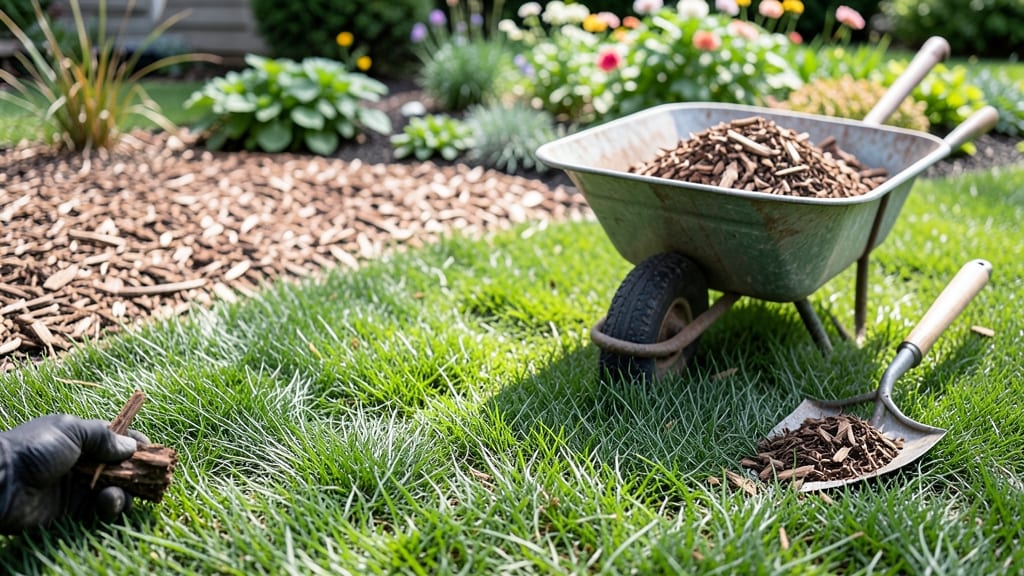
Is mulching grass good for your lawn? It can be, as it enriches soil with nutrients, preserves moisture, and cuts mowing time—but improper use may smother grass growth or encourage thatch accumulation. The key lies in proper technique and moderation.
Mulching grass works by leaving clippings on the lawn after mowing, which naturally decompose into a nutrient-rich layer.
This process mimics how grass would break down in nature, feeding the soil with organic matter that improves root development and microbial activity. 🌱 The right balance—typically ⅛ to ¼ inch of mulch—keeps your lawn lush without suffocating the grass.
However, leaving clippings too long or mowing too short can create a thick layer that blocks sunlight and air, harming your lawn's health over time.
For best results, maintain your mower blade at 3 to 4 inches and ensure it's sharp to avoid tearing grass. Regularly check for signs of over-mulching, like yellowing patches or a spongy texture, which may indicate thatch buildup.
With the right approach, mulching can transform your lawn care routine into an effortless way to boost soil fertility and reduce maintenance.
💡 In This Article
- How Grass Mulching Boosts Soil and Lawn Health
- Best Practices for Mulching Grass Without Harming Your Lawn
How grass mulching boosts soil and lawn health
When you mulch grass, you're essentially creating a natural fertilizer right on your lawn. The clippings decompose through a process called nitrification, where soil bacteria break down organic matter into ammonium, which plants can absorb as nitrogen.
This nutrient release happens gradually—typically over 2-4 weeks—providing a steady supply without the risk of burning grass like synthetic fertilizers might. The nitrogen content in grass clippings averages around 4-5% by weight, making them a potent, free resource for your lawn.
Beyond nutrients, mulched clippings act like a protective blanket. They reduce water evaporation by up to 25% by shielding the soil from direct sunlight, which is especially valuable during dry spells. This moisture retention helps grass roots grow deeper, creating a more resilient lawn.
The clippings also improve soil structure by adding organic matter that enhances aeration and drainage—critical for preventing compaction, which can suffocate roots and lead to brown patches.
What makes mulching particularly effective is how it mimics natural ecosystems. In undisturbed grasslands, fallen leaves and stems decompose on-site, enriching the soil without human intervention. When you mulch, you're replicating this cycle. The key difference is control: you determine the thickness and frequency.
Too much mulch—over ¼ inch—can block sunlight and air, creating an anaerobic environment that promotes fungal growth and thatch buildup. The ideal layer is ⅛ to ¼ inch, which decomposes quickly without smothering the grass.
Another often-overlooked benefit is mulching's role in pest control. The layer of clippings disrupts the life cycle of certain insects and weeds by blocking their access to sunlight and soil. For example, crabgrass seeds need light to germinate, and a thin mulch layer can reduce their emergence by 30-50%.
However, this protective effect diminishes if the mulch layer becomes too thick or compacted, which is why proper mowing techniques are essential.
For optimal results, aim to mulch when your grass is actively growing—typically during spring and fall. At these times, the grass can process the nutrients more efficiently, and the clippings decompose faster due to warmer soil temperatures.
In cooler months, decomposition slows, so you might need to mow less frequently to avoid over-mulching. The right balance keeps your lawn thriving while minimizing maintenance.
Consider this real-world example: A study by the University of Nebraska found that lawns mulched regularly had 20% more biomass (thicker, greener grass) compared to those where clippings were removed. The difference was attributed to the added nitrogen and improved moisture retention.
However, the same study noted that lawns with mulch layers exceeding ½ inch showed signs of stress, including yellowing and fungal issues.