
Plants
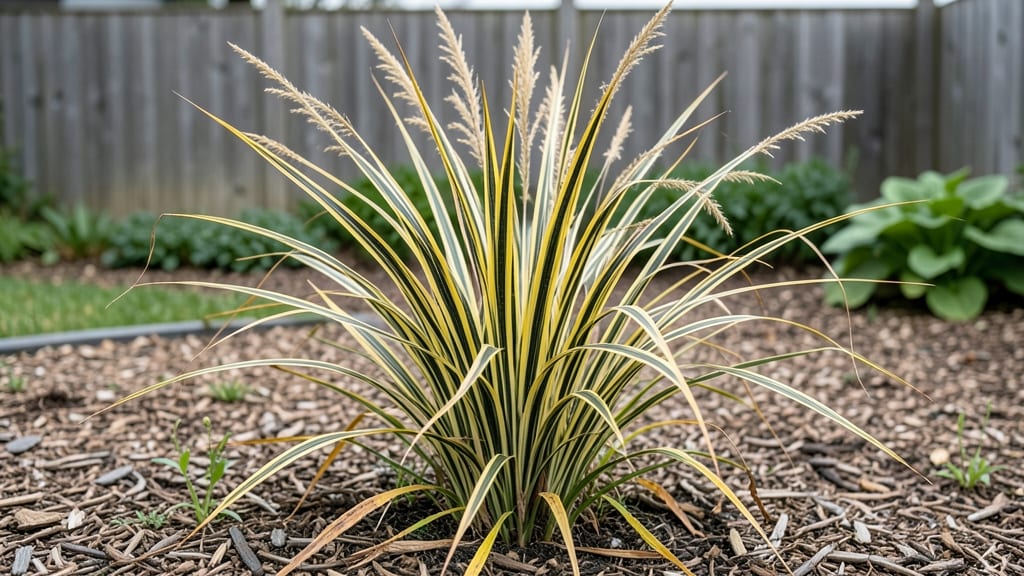
Growing Japanese Golden Grass 🌿 means bringing effortless golden color to your garden—no matter the season or your green thumb level.
Tired of seasonal color in your garden? This ornamental grass delivers vibrant golden hues year-round with minimal effort, making it the perfect low-maintenance star for sun or shade.
Unlike other grasses that fade or need constant attention, Japanese Golden Grass thrives in USDA Zone 6a and beyond, with spring planting setting it up for years of beauty.
Below, I’ll walk you through the easiest care tips—from soil prep to pruning—so you can enjoy its golden glow without the fuss.
Why japanese golden grass stands out: growth habits and year-round appeal
If you're searching for an ornamental grass that offers year-round color with minimal care, Japanese Golden Grass (Hakonechloa macra 'Aureola') is a game-changer. Unlike seasonal plants, its golden foliage shines from spring through winter, making it a standout in any garden.
This clump-forming grass thrives in USDA zones 5-9, adapting effortlessly to various climates.
What truly sets it apart is its exceptional cold hardiness—it won’t brown out in winter like many other grasses. Plus, its arching, cascading habit adds texture and movement to garden beds, containers, or even as a spiller in mixed borders.
Unlike fountain grass or maiden grass, which can become invasive, Japanese Golden Grass stays neatly contained.
| Category | Details |
|---|---|
| Ornamental Value | Golden foliage year-round; arching, cascading habit |
| Seasonal Appeal | Spring: Bright gold; Summer: Deepens; Fall/Winter: Softens to pale gold |
| Cold Hardiness | USDA zones 5-9; survives winter without browning |
| Sunlight Needs | Full sun (6+ hours) for best color; tolerates partial shade |
| Growth Habit | Clump-forming; non-invasive; reaches 2-3 ft tall |
| Comparison | More refined than fountain grass; slower growth than maiden grass |
One of the biggest advantages of Japanese Golden Grass is its versatility in sunlight. While it performs best in full sun (6+ hours daily), it also thrives in partial shade, making it ideal for woodland gardens or shaded patios.
This adaptability sets it apart from sun-loving grasses like blue fescue, which can struggle in lower light conditions.
Unlike maiden grass, which can flop over in heavy winds, Japanese Golden Grass maintains its elegant arching form with minimal support. Its fine-textured blades also create a softer, more delicate look compared to the bold, upright spikes of fountain grass.
This makes it perfect for modern or cottage-style gardens where texture and movement are key.
The grass’s year-round appeal is unmatched. While many ornamental grasses turn brown or lose color in winter, Japanese Golden Grass retains its soft golden hue, adding warmth to snowy landscapes.
In spring, its vibrant gold foliage brightens up garden beds, and in summer, it provides shade and texture without overpowering other plants.
For gardeners in cooler climates (USDA zones 5-6), this grass is a low-maintenance hero. It handles frost and snow better than most grasses, so you won’t need to worry about winter damage.
Even in warmer zones (7-9), it stays lush and colorful without needing extra water or fertilizer.
Another standout feature is its slow, controlled growth. Unlike aggressive grasses that spread uncontrollably, Japanese Golden Grass grows at a steady, predictable pace, making it easier to manage in small spaces or containers. This trait makes it a favorite for urban gardeners or those with limited yard space.
If you’re comparing it to other grasses, here’s how it stacks up: Fountain grass grows taller and wider, while maiden grass has a more upright form. Japanese Golden Grass, however, offers a unique blend of elegance and durability, making it a top choice for textural contrast in garden designs.
To maximize its golden color, plant it in well-draining soil with a slightly acidic to neutral pH (6.0-7.0). Avoid heavy clay soils, as they can cause root rot. With the right conditions, your Japanese Golden Grass will reward you with years of effortless beauty—no deadheading or pruning required!
Whether you’re a beginner or a seasoned gardener, this grass delivers instant impact with almost no effort. Its year-round color, cold hardiness, and adaptable nature make it a must-have for any garden. Ready to add a touch of golden elegance? 🌱
Zero-fuss care guide: planting, pruning, and common mistakes to avoid
Japanese Golden Grass thrives with minimal effort, but a few key steps ensure its vibrant golden foliage stays lush year-round. Start by choosing a well-draining soil—this grass despises soggy roots. Amend heavy clay with compost or sand to improve aeration.
The ideal planting time is early spring or fall, when temperatures are mild and the plant can establish roots before extreme weather.
For best results, plant in full sun to partial shade. While it tolerates shade, the golden hue intensifies with 6+ hours of sunlight daily. Space plants 18-24 inches apart to allow airflow and prevent fungal issues.
Dig a hole twice as wide as the root ball but only as deep, then water thoroughly after planting to settle the soil.
Japanese Golden Grass needs minimal fertilizer. Too much nitrogen causes weak, floppy growth and dulls its golden color. Use a balanced 10-10-10 fertilizer once in early spring—that’s it! Organic options like composted manure work too, but avoid high-nitrogen feeds like lawn fertilizer. Never fertilize in fall or winter—this grass goes dormant and doesn’t need extra nutrients.
Watering is straightforward: deep soaks once weekly for the first year, then every 10-14 days once established. This drought-tolerant grass stores water well, so avoid frequent shallow watering, which encourages shallow roots.
Always water at soil level, not overhead, to prevent fungal diseases like rust or leaf spot. Mulch with 2-3 inches of organic mulch (like shredded bark) to retain moisture and suppress weeds.
Pruning keeps Japanese Golden Grass looking tidy and encourages dense, upright growth. Cut back dead or brown fronds in late winter or early spring, just above the crown.
Avoid heavy pruning in fall—this grass naturally yellows and dies back as winter approaches, and cutting it too early can harm new growth. For overgrown clumps, divide them every 3-4 years in spring to rejuvenate the plant and share with fellow gardeners.
Watch for 5 common mistakes that stifle growth: poor drainage (roots rot in soggy soil), overcrowding (leads to disease), using too much fertilizer (burns roots), pruning at the wrong time (fall cuts harm new shoots), and ignoring pests like slugs or spider mites.
Slugs love tender new growth—use copper barriers or diatomaceous earth if you spot them munching on leaves.
With these simple steps, your Japanese Golden Grass will thrive for years, adding year-round texture and color to borders, containers, or woodland gardens. Its low-maintenance nature makes it a favorite for busy gardeners—just plant it right, water wisely, and let it shine! 🌱