
Plants
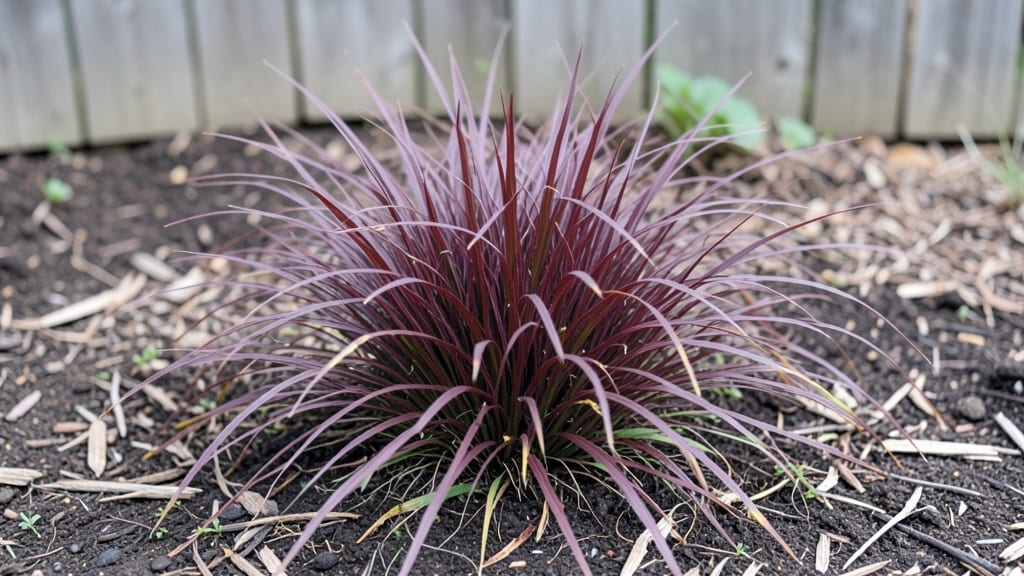
Growing Japanese Red Baron Blood Grass 🌿 means unlocking those show-stopping purple-and-green stripes—but it’s trickier than it looks.
The striking foliage isn’t just eye-catching; it’s a statement piece that transforms any garden into a living work of art. But if you’ve ever planted it only to watch the colors fade or the growth stall, you’re not alone.
The secret lies in light, soil, and timing—three factors most gardeners overlook.
This ornamental grass thrives in USDA Zone 6a when planted in late spring, where partial shade keeps its foliage vibrant. Too much sun? The stripes dull. Too little water? The leaves wilt. Get it right, and you’ll have a year-round focal point that’s easier to maintain than you’d think.
In this guide, I’ll walk you through the exact conditions—from soil prep to watering schedules—that guarantee bold, healthy growth. No more guessing, just lush, striped perfection.
Optimal growing conditions for japanese Red Baron blood grass
The Japanese Red Baron Blood Grass thrives when you mimic its native humid, shaded forest understory. Unlike many ornamental grasses, it fades in harsh sun—its signature purple-and-green stripes dull under direct sunlight exposure.
The key to vibrant growth lies in balancing light, moisture, and temperature to prevent yellowing or crispy leaf edges.
This grass prefers partial shade (4-6 hours of filtered light daily), making it ideal for woodland gardens, container plantings near north-facing windows, or understory plantings near trees.
In full sun locations, its foliage may bleach or scorch, while deep shade can stunt growth and reduce color intensity.
🌿
For soil preferences, Japanese Red Baron Blood Grass loves moisture-retentive, slightly acidic soil with 50% organic matter. Amend heavy clay with peat moss or compost, while sandy soils benefit from coco coir additions.
A pH between 5.5-6.5 ensures vibrant foliage—test your soil with a home pH kit before planting.
This grass thrives in moderate humidity (50-70%), making it perfect for humid climates or indoor terrariums. In dry environments, group plants together to create a microclimate or use a humidifier nearby.
Avoid placing it near heat vents or air conditioning, which can cause leaf scorch.
Temperature extremes are its biggest enemy: below 40°F (4°C) causes cold damage, while above 85°F (29°C) leads to leaf burn. In USDA Zones 6-9, it’s perennial—protect young plants with mulch in winter and shade cloth in summer if temperatures rise.
One common mistake is overwatering, which causes yellowing leaves. Water deeply once weekly (more in summer heat) but ensure drainage holes exist in containers. For container growing, use a terracotta pot to prevent root rot.
To maximize its purple-and-green stripes, place it where it receives morning sunlight and afternoon shade. In full shade, growth slows, while direct afternoon sun fades its colors. For container gardens, rotate pots quarterly to ensure even light exposure.
💧
Step-by-step planting and care guide for bold purple striped foliage
The Japanese Red Baron Blood Grass thrives when you follow a few key steps, from planting to seasonal care. This ornamental grass demands attention to spacing, watering, and fertilizing to keep those signature purple-and-green stripes vibrant year-round.
Whether you're starting from seeds or dividing established clumps, these steps ensure your plant grows lush and striking.
Unlike many grasses, Red Baron prefers a moist but well-draining soil and partial shade to prevent leaf scorch. With the right care, it can reach 2 feet tall while maintaining its bold foliage. Let’s dive into the exact steps to plant and maintain this showstopper.
- Step 1: Choose Your Propagation Method
Seeds: Start indoors 8-10 weeks before last frost. Use a seed-starting mix and keep soil moist but not soggy. Germination takes 14-21 days in 70-75°F conditions. Division: For faster results, divide mature clumps in early spring or fall. Dig up the plant, separate roots gently, and replant immediately. - Step 2: Select the Perfect Planting Spot
Choose a location with partial shade (4-6 hours of sun) and well-draining soil. Amend heavy clay soil with compost or sand to improve drainage. Space plants 12-18 inches apart to allow airflow and prevent overcrowding. - Step 3: Plant with Care
Dig a hole twice as wide as the root ball. Place the plant so the crown sits just above soil level. Backfill with soil and water deeply to settle roots. Mulch around the base with 2-3 inches of organic mulch to retain moisture and suppress weeds. - Step 4: Water Consistently
Keep soil evenly moist for the first 4-6 weeks after planting. Water deeply in the morning to encourage strong root growth. During hot summer months, water every 5-7 days, while fall and winter require only monthly watering. - Step 5: Fertilize for Vibrant Foliage
Apply a balanced fertilizer (10-10-10) in early spring and again in mid-summer. Use 1 tablespoon per plant and water thoroughly afterward. For organic options, try compost tea or fish emulsion every 4-6 weeks during the growing season. - Step 6: Prune and Maintain Seasonally
Cut back dead or yellowed foliage in early spring to encourage new growth. Trim overgrown clumps in late summer to maintain shape. Avoid heavy pruning in fall or winter, as the plant enters dormancy. - Step 7: Overwinter for Next Year’s Growth
Reduce watering in fall and remove old mulch to protect roots. In cold climates (below Zone 6), cover plants with straw mulch to insulate roots. Resume regular care in early spring as new growth emerges.
One of the secrets to maintaining those bold purple stripes is consistency. Overwatering or nutrient imbalances can dull the foliage, so stick to the watering schedule and fertilizing routine.
If you notice the colors fading, it might be time to adjust your light exposure or soil pH—aim for a slightly acidic to neutral range (6.0-7.0).
For container gardening, use a well-draining potting mix with perlite or sand to prevent root rot. Place pots in partial shade and water more frequently than in-ground plants, as containers dry out faster.
With these steps, your Japanese Red Baron Blood Grass will stay vibrant and eye-catching for years to come.
Don’t forget to monitor for pests like spider mites or scale insects, which can stress the plant. A neem oil spray applied in early summer can prevent infestations before they start.
With proper care, your grass will reward you with lush, striped foliage that’s the envy of the neighborhood. 🌿