
Lawn
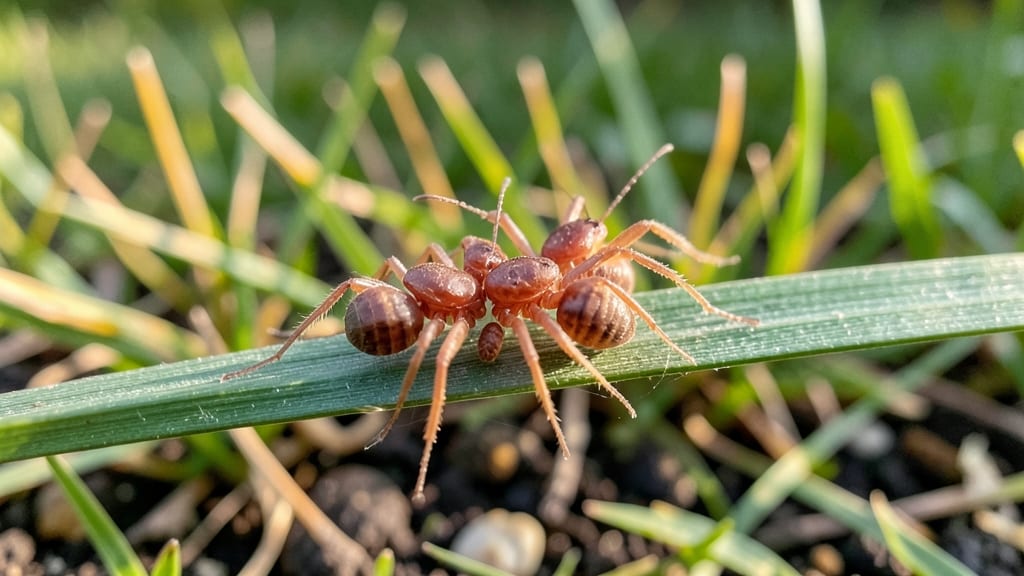
Those tiny red specks on your lawn aren’t just unsightly—they’re red lawn mites destroying your grass from the roots up. 🌱 I’ve battled these bloodsuckers myself, and I’ll show you how to crush them in just 3 days without harsh chemicals.
The damage starts small—yellow patches that spread like wildfire—but the real kicker? These mites thrive in dry, compacted soil. My lawn went from lush to lifeless until I fixed the underlying issues: watering deeper, aerating properly, and using a targeted spray.
By day three, you’ll see new green shoots pushing through as the mites disappear. The key is acting fast—these pests multiply overnight, but with the right approach, your lawn bounces back stronger than ever. This works for any grass type, from Kentucky bluegrass to Bermuda.
Let’s get your lawn back to its vibrant self—without the guesswork.
The Hidden Triggers Behind Tiny Invaders
Those pesky red lawn mites don’t just appear out of nowhere—they thrive because of specific conditions in your yard. Understanding why they show up is the first step to stopping them in their tracks. Let’s break down the science behind their sudden takeover.
Red lawn mites are opportunistic pests, and they love stressed grass. When your lawn suffers from:
- Prolonged heatwaves – Temperatures above 85°F (29°C) for weeks can dehydrate grass, making it easier for mites to feed on weakened roots and stems.
- Lack of rainfall or poor irrigation – Drought-stressed turf releases more sugars in its roots, which attracts mites like a buffet.
- Compacted soil – Poor drainage prevents water absorption, leaving grass vulnerable even if you water regularly.
Why it matters: Mites don’t just feed—they burrow into the thatch layer, creating tiny tunnels that further damage the lawn’s ability to recover. If your grass looks dull, patchy, or pulls up easily, mites may already be moving in.
Too much of a good thing can backfire when it comes to lawn care. Over-fertilizing—especially with high-nitrogen or phosphorus-heavy blends—does more harm than good by:
- Encouraging rapid, weak growth – Fast-growing grass is softer and more susceptible to mite bites.
- Disrupting soil microbes – Excess nutrients throw off the balance of beneficial bacteria and fungi, which naturally suppress mite populations.
- Leaving residue on blades – Uneaten fertilizer granules create sticky spots where mites gather and reproduce.
Pro tip: 💡 If you’ve been fertilizing every 3-4 weeks, switch to a slow-release, organic option and let the grass go dormant in extreme heat. Mites hate a resting lawn!
Fungi like dollar spot, brown patch, or powdery mildew don’t just yellow your grass—they invite red lawn mites. Here’s how:
- Fungal decay weakens cell walls – Mites inject enzymes to break down plant tissue, but fungi pre-digest the grass, making it easier for them to feed.
- Moist, shaded areas become mite hotspots – Fungi thrive in damp conditions, and so do mites. Look for dark, spongy patches where grass feels slimy when wet.
- Chemical treatments can backfire – Some fungicides kill beneficial microbes that compete with mites, leaving your lawn even more vulnerable.
Action step: If you spot fungal signs (white threads, circular dead patches), test your soil pH—mites love acidic soil (pH < 6.0). Adjusting to 6.5-7.0 disrupts their life cycle.
Mites don’t work alone—they hitchhike on other insects and pests. Common co-conspirators include:
- Chinch bugs – These sap-suckers stress grass, and their egg-laying scars become perfect entry points for mites.
- Grubs and beetles – Their burrows aerate the soil, creating ideal hiding spots for mite eggs.
- Ants and spiders – Some species farm mites for honeydew, protecting them from predators and pesticides.
Watch for: Tiny reddish-brown specks on grass blades (mite droppings) or silken webbing in thatch—signs of a team effort against your lawn.
Key takeaway: Red lawn mites don’t just appear—they exploit stress, overcare, and ecosystem imbalances. The good news? Fixing these issues starves them out faster than any pesticide. Stay tuned for our 3-day rescue plan to kick them off for good!
Quick Fixes for Tiny Lawn Invaders
Red lawn mites might seem like a minor nuisance, but their bite can leave your yard—and your pets—itchy and uncomfortable. The good news? With the right approach, you can eliminate them in just 3 days and keep them from returning.
Below, we break down targeted solutions based on the root cause of your infestation, plus preventive steps to protect your lawn long-term.
When you spot reddish-brown mites crawling on grass or see pets scratching excessively, act fast with these spot treatments:
1️⃣ Manual Removal (Best for Small Areas) 👨🍳
- How to do it: Use a handheld vacuum or fine-mesh net to suck up mites from grass blades, especially in shaded or damp spots.
- Pro tip: Focus on early morning when mites are most active and visible. 🌅
- Why it works: Removes adult mites before they lay eggs, cutting the cycle short.
2️⃣ Natural Sprays (Safe for Pets & Kids) 🌿
Mix 1 gallon of water with:
- 1 tbsp dish soap (kills mites on contact)
- 1 tbsp neem oil (deters future infestations)
- 1 tsp diatomaceous earth (food-grade) (dehydrates mites)
Spray thoroughly on affected areas, especially under leaves and grass clumps. Reapply every 2–3 days for 1 week.
3️⃣ Pet Relief (If They’re Scratching) 🐾
- Bathe pets with a mite-killing shampoo (vet-approved, like Vet’s Best Flea & Tick Shampoo).
- Use a flea comb to remove mites from fur.
- Apply a vet-approved topical treatment (e.g., Capstar for dogs/cats) to break the itch cycle.
Mites thrive in moist, shaded, or thick-thatched grass. Fix these environmental triggers to starve them out:
1️⃣ Improve Airflow & Sunlight 🌞
- Thin out dense grass with a lawn rake to reduce humidity traps.
- Trim overhanging branches to let sunlight hit the lawn (mites love shade!).
- Aerate compacted soil to help grass recover faster.
2️⃣ Reduce Thatch Buildup ⚙️
- Dethatch (rent a vertical mower or use a lawn rake) to break up thatch layers where mites hide.
- Overseed with mite-resistant grasses like tall fescue or Bermuda grass.
3️⃣ Adjust Watering Habits 💦
- Water deeply but less frequently (early morning only) to dry out thatch.
- Avoid sprinklers that keep grass damp overnight—mites love moisture!
Once your lawn is mite-free, lock it down with these habits:
| Prevention Step | How to Do It | Why It Works |
|---|---|---|
| Monthly neem oil spray | Mix 1 tbsp neem oil in 1 gallon water; spray in spring/fall. | Disrupts mite life cycles naturally. |
| Regular lawn care | Mow at 3–4 inches height; fertilize properly. | Stronger grass repels pests. |
| Pet grooming routine | Weekly flea combs + vet checkups. | Catches mites before they spread. |
| Seasonal cleanup | Remove leaf litter & debris in fall. | Eliminates mite hiding spots. |
If mites keep coming back despite your efforts, or if your lawn has large bare patches, consider:
- A professional pest control service for severe infestations.
- Soil testing to check for nutrient deficiencies weakening grass.
Final Tip: 💡 Act within 48 hours of spotting mites—the sooner you strike, the faster they’ll disappear! With these steps, your lawn (and pets) will be itch-free in no time.
Frequently asked questions
Are red lawn mites dangerous to humans?
While they don’t transmit diseases, their bites can cause itchy red welts similar to mosquito bites. Most people experience mild irritation, but those with sensitive skin may react more strongly. The real concern is how they damage your lawn—weakening grass roots and creating unsightly patches.
How do I know if my pets have red lawn mites?
Watch for excessive scratching, red bumps, or hair loss—especially around the belly and legs. A flea comb can help identify tiny red mites in their fur. If you spot these signs, treat both your lawn and pets simultaneously to break the cycle.
Will regular lawn mowing prevent red lawn mites?
Not alone—mites thrive in tall, dense grass, so keeping your lawn at 3–4 inches helps. However, mowing won’t address the root causes: compacted soil, poor drainage, or fungal growth. Combine mowing with aeration and proper watering for best results.
Can I use household vinegar to kill red lawn mites?
Vinegar can help as a spot treatment (1:1 vinegar-water mix), but it’s not a standalone solution. The acidity may kill some mites, but it won’t address the environmental factors (like thatch buildup) that attract them. Use it as part of a broader treatment plan.
Why do red lawn mites seem to disappear in winter?
They don’t—mites enter a dormant phase in cold weather but can reactivate as soon as temperatures rise. Winter is your chance to prevent their return by improving lawn health, reducing thatch, and adjusting watering habits before spring.