
Plants
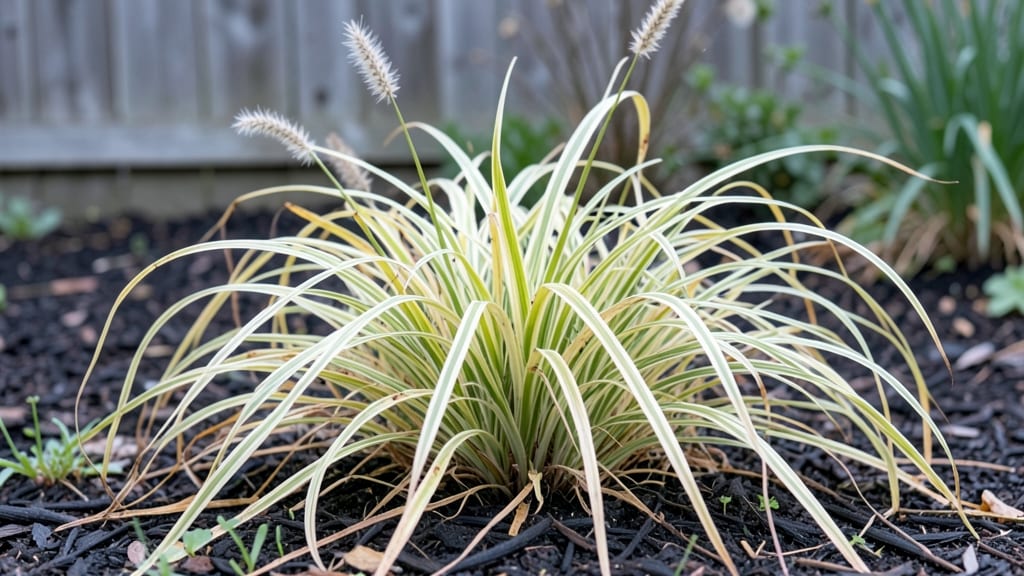
Growing Japanese variegated grass 🌿 is the easiest way to add bold, year-round color to your garden with almost no effort.
Imagine a low-maintenance plant that adds vibrant stripes of gold, white, and green to your garden—even in winter. This ornamental grass delivers exactly that, transforming any landscape with its striking foliage and effortless care.
Unlike high-maintenance perennials, Japanese variegated grass thrives in partial shade and only needs weekly watering once established. Whether you're a seasoned gardener or a beginner, this plant is a game-changer for adding texture and movement to your outdoor space.
In this guide, I’ll walk you through everything you need to know—from planting and care tips to creative ways to use it in your garden design. Let’s get started!
How to choose and plant Japanese variegated grass for maximum impact
Japanese variegated grass (Hakonechloa macra) is one of the easiest ways to add year-round color and texture to your garden. With its arching gold-and-green striped blades, it thrives where many plants struggle—shady spots and moist soil.
The key to maximizing its impact lies in selecting the right variety and planting it in the perfect location.
Popular varieties like 'Aureola' (gold stripes) and 'Albo-variegata' (white stripes) offer different visual effects. While both love shade, their growth habits and color intensity vary. For example, 'Aureola' holds its golden hue longer in cooler weather, making it ideal for northern gardens.
Meanwhile, 'Albo-variegata'’s stark white stripes create bold contrast in mixed borders.
| Variety | Variegation | Mature Height | Best For |
|---|---|---|---|
| 'Aureola' | Golden-yellow stripes | 1.5–2 ft | Northern gardens, shade gardens |
| 'Albo-variegata' | White stripes | 1–1.5 ft | Bold contrast, mixed borders |
| 'Nishiki' | Green with white/yellow stripes | 1.5 ft | Versatile, container gardens |
When choosing a planting location, prioritize partial shade—at least 3–6 hours of morning sun—to preserve the variegation. Full sun can bleach the stripes, while deep shade may cause leggy growth. Test your spot by observing how much light it receives throughout the day; east-facing windows or dappled shade under trees are ideal.
Soil requirements are equally critical. Japanese variegated grass prefers moist, well-draining soil with a slightly acidic to neutral pH (6.0–7.0). Amend heavy clay with organic matter like compost or peat moss to improve drainage. Avoid soggy soil, which can lead to root rot—a common issue for this moisture-loving plant.
Spring and early fall are the best planting times in most climates (USDA zones 5–9). Wait until after the last frost date in your area (typically mid-April in many regions) to ensure stable soil temperatures. If planting in containers, use a lightweight potting mix with perlite for aeration.
To plant, dig a hole twice as wide as the root ball but only as deep. Gently remove the plant from its container and loosen any circling roots. Place it in the hole, ensuring the top of the root ball sits level with the soil surface.
Backfill with native soil, tamping lightly to remove air pockets. Water thoroughly to settle the soil and encourage root contact.
For a lush, cascading effect, plant in groups of 3–5 rather than single specimens. Space them 12–18 inches apart to allow for mature spread. Pair with hostas, ferns, or heucheras to create a layered, textured look.
In containers, combine with impatiens or caladiums for a vibrant, shade-tolerant display.
After planting, mulch with 2–3 inches of organic mulch (like shredded bark) to retain moisture and suppress weeds. Avoid thick mulch layers, which can smother the plant.
Water deeply once a week during the first growing season to establish roots, then reduce frequency once established—this grass tolerates drought once mature.
With the right variety, location, and care, your Japanese variegated grass will reward you with vibrant stripes year-round, even when other plants fade. Its adaptability makes it a standout choice for shade gardens, containers, and woodland settings—perfect for adding low-maintenance drama to any space. 🌿
5 Essential care tips to keep your variegated grass thriving year-round
Japanese variegated grass (Hakonechloa macra) thrives with minimal fuss, but a few key care strategies ensure its stunning gold-and-green stripes stay vibrant all year. Unlike high-maintenance plants, this ornamental grass rewards you with year-round texture when given the right conditions.
The secret lies in balancing water, light, and seasonal adjustments—without overcomplicating your routine.
Many gardeners struggle with yellowing foliage or leggy growth, often because they either overwater or neglect pruning. My approach focuses on simple, actionable steps that keep your variegated grass lush and compact.
Whether you're a beginner or a seasoned gardener, these tips will help you maintain that showstopping appearance with confidence.
- Water deeply but infrequently—aim for 1 inch per week in morning hours to prevent fungal issues. Overwatering is the #1 cause of yellowing leaves.
- Prune in early spring to remove dead or brown fronds and encourage new growth. Never cut more than 1/3 of the plant at once.
- Apply balanced fertilizer (10-10-10) in early spring and fall, using 1 tablespoon per plant. Avoid fertilizing in summer heat.
- Mulch with 2-3 inches of organic matter (like shredded bark) to retain moisture and protect roots in winter.
- Revive leggy growth by trimming back overlong stems and moving to brighter light (but avoid full sun). Leggy grass often signals insufficient light.
Start with watering adjustments—this grass prefers moist but well-draining soil, so I recommend checking soil moisture by sticking your finger 1-2 inches deep.
If it feels dry, water thoroughly until it drains from the bottom. Yellowing tips often mean you're overwatering, while brown patches could signal underwatering or root rot.
When pruning time rolls around in early spring, grab your sharp pruners and focus on removing dead fronds first. This not only improves appearance but also prevents pests from nesting in old growth.
For leggy plants, cut back stems to half their length—this triggers bushier regrowth. Just avoid pruning in winter, as the plant needs its foliage for insulation.
Fertilizing might seem intimidating, but a light feeding twice a year is all your variegated grass needs.
I use a slow-release 10-10-10 fertilizer in early spring to kickstart growth and again in early fall to strengthen roots before winter. Avoid summer feeding—this grass goes semi-dormant in heat, and extra nutrients can burn roots.
For winter protection, I wrap mature clumps in burlap or frost cloth if your winters dip below 10°F. Even hardy varieties like 'Aureola' benefit from mulch protection to shield roots from freeze-thaw cycles.
In mild climates, no extra steps are needed—just let the grass rest naturally.
If your variegated grass starts looking lanky or sparse, don’t panic. A light trim and better light placement (like moving it under a dappled shade tree) can work wonders. I’ve revived many neglected clumps by simply reducing water and increasing light—no fancy products required.
With these 5 simple tips, your grass will stay compact, colorful, and healthy for years to come. 🌿